Have you ever wondered what it truly means to live with the most profound challenges within the autism spectrum? Level 3 Autism, often perceived as the most intense form, invites us into a complex world where communication barriers, repetitive behaviors, and sensory sensitivities shape everyday experiences in profound ways. Understanding this level is not just about recognizing difficulties; it’s about comprehending the depth of support needed to foster growth, connection, and hope.
Defining Level 3 Autism: A Closer Look
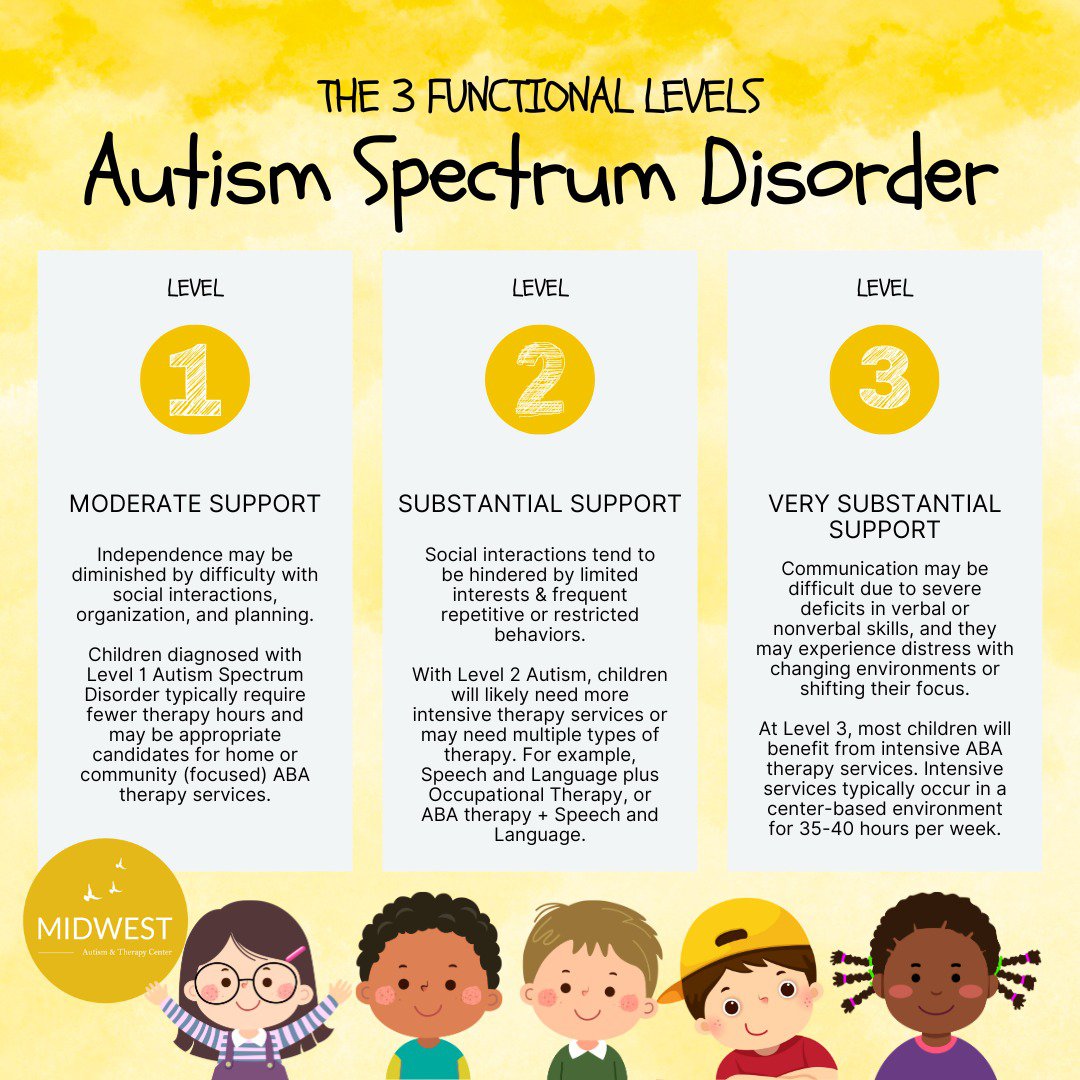
Level 3 Autism, classified as the most severe level of Autism Spectrum Disorder (ASD), is characterized by significant deficits in verbal and nonverbal communication skills. Individuals at this level usually require substantial support to cope with daily living. Unlike milder forms, where some degree of functional independence is possible, Level 3 presents pervasive challenges that affect every facet of an individual’s life.
In clinical terms, individuals with Level 3 Autism exhibit marked impairments in social interactions and exhibit restricted, repetitive patterns of behavior that markedly interfere with functioning. For example, conversations may be nearly impossible, and there may be a reliance on routines or rituals that can cause distress if disrupted.
The Manifestations: Communication and Social Challenges
Communication is often the most visible challenge for those with Level 3 Autism. At this stage, verbal abilities may be severely limited or non-existent. Alternative communication methods, such as picture exchange systems or assistive technologies, often become essential. Social reciprocity—the natural give-and-take of interaction—can be notably absent, leading to isolation and misunderstanding from peers and caregivers alike.
Moreover, interpreting social cues becomes a significant hurdle. Individuals may not respond to their names or struggle to understand the emotions or intentions of others. This can inadvertently establish a barrier between the individual and their environment, often fueling frustration on both sides.
Behavioral Patterns: Understanding the Repetitive and Restrictive
Repetitive behaviors and insistence on sameness are hallmark features within Level 3 Autism. These might manifest as repeated body movements, such as hand-flapping, rocking, or intense preoccupation with specific objects or topics. These behaviors serve as coping mechanisms, providing predictability and comfort amidst overwhelming sensory inputs.
Resistance to change can be profound, with even minor disruptions to routines potentially causing extreme distress. This rigidity is not mere obstinance but rather a reflection of the individual’s need to manage anxiety and confusion arising from a world that may seem chaotic and unpredictable. Understanding this is pivotal to offering compassionate support.

Sensory Sensitivities: Navigating a World of Overwhelm
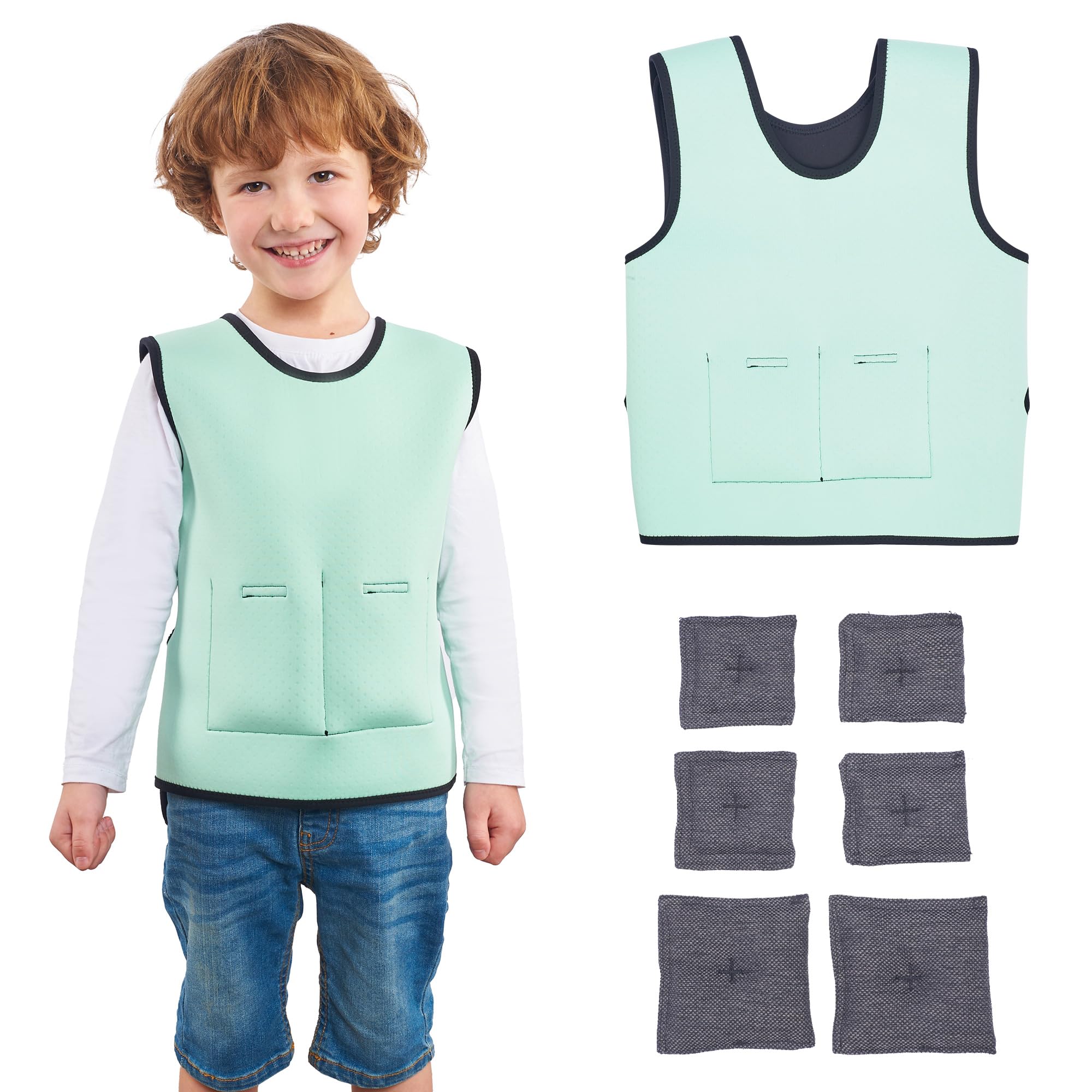
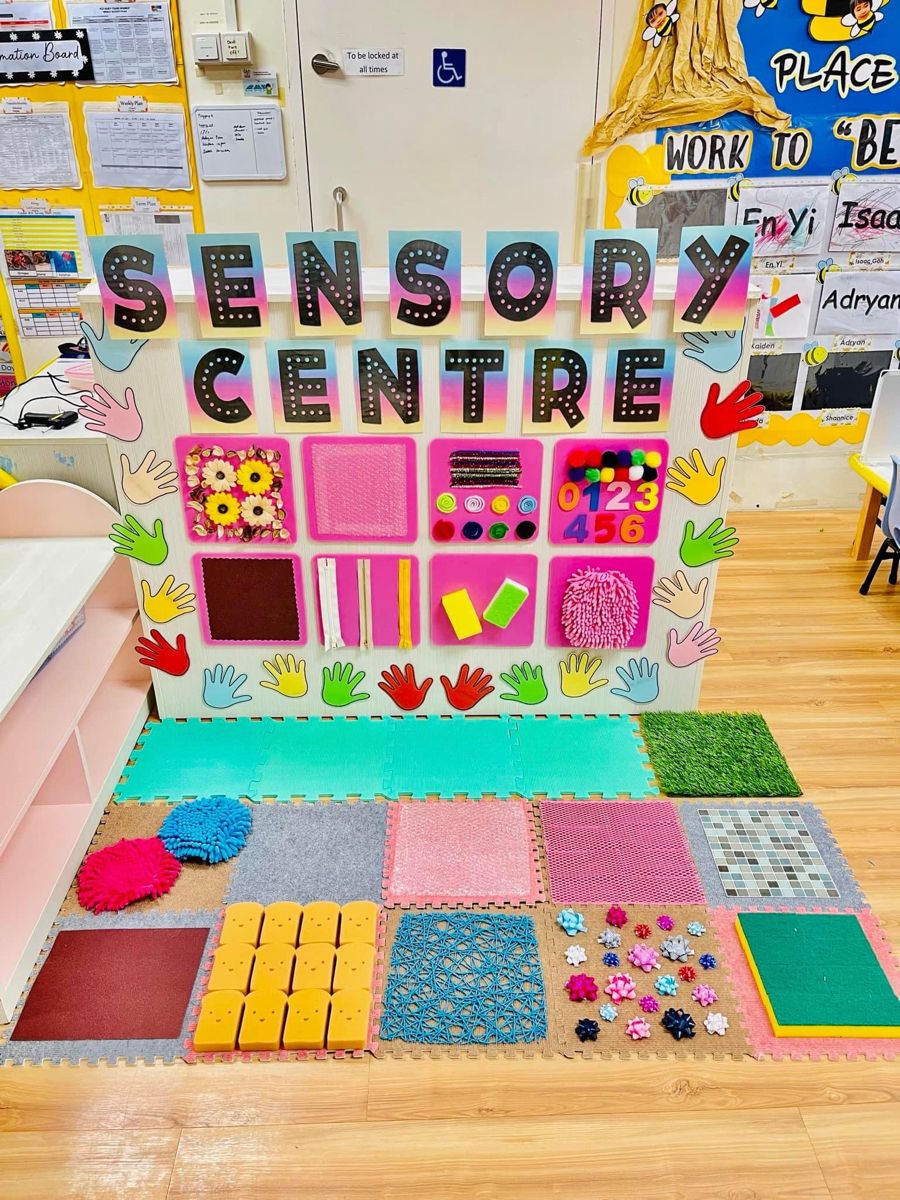
The sensory experiences of individuals with Level 3 Autism are often intense and unfiltered. Ordinary stimuli—sounds, lights, textures, and smells—can become sources of discomfort or pain. This hypersensitivity can lead to sensory overload, where the brain is bombarded by stimuli it cannot effectively process.
This sensory dysregulation can trigger meltdowns, which are more than typical tantrums—they are overwhelming responses to unbearable internal and external stimuli. Recognizing and mitigating sensory triggers is vital in helping individuals manage these episodes and can improve overall quality of life.
Strategies and Supports: Building Bridges to Potential
Providing support to individuals with Level 3 Autism demands a multidisciplinary approach, tailored to the unique constellation of needs each person presents. Early intervention, consistent routines, and individualized therapy plans can open pathways to improved communication and adaptive skills.
Applied Behavior Analysis (ABA) therapy is often employed to gently shape behaviors towards functional goals. Speech therapy, including augmentative and alternative communication (AAC), plays a crucial role in fostering expression and understanding. Occupational therapy can assist with sensory integration and daily living skills, helping individuals navigate their environments more comfortably.
Equally important is the involvement of family and caregivers. Education and training empower them to create structured, supportive spaces that respect the individual’s challenges and celebrate their strengths.
The Emotional Landscape: Empathy and Connection
While the outward manifestations of Level 3 Autism can appear daunting, it’s essential to recognize the rich emotional world beneath the surface. Many individuals with Level 3 Autism experience deep feelings and desires for connection, even if their ways of expressing these are unconventional.
Patience and empathetic communication can break down barriers. Small gestures of recognition and acceptance can build trust. Encouraging moments of joy and accomplishment, no matter how minute, reinforces dignity and self-worth.
Looking Forward: The Importance of Inclusion and Advocacy
Society’s growing awareness of autism’s complexities paves the way for greater inclusion and understanding. Advocating for accessible education, supportive employment opportunities, and community integration can transform lives.
Policies that support funding for tailored therapies and respite care are integral to sustaining progress. Moreover, cultivating a culture that values neurodiversity urges us to view Level 3 Autism not simply as a deficit but as a distinctive mode of being that enriches the human mosaic.
The journey with Level 3 Autism is undeniably challenging but also filled with moments of unexpected beauty, resilience, and connection. With informed support, unwavering compassion, and societal commitment, individuals with Level 3 Autism can transcend barriers and flourish in their own unique ways.