Have you ever wondered why autism often seems like a puzzle with pieces missing when it comes to girls? This enigmatic discrepancy can sometimes pose a substantial challenge — one that both families and clinicians grapple with. Understanding autism in girls requires peeling back layers of societal expectations, neurological subtleties, and behavioral nuances. Unlike the more overt presentations frequently observed in boys, autism in girls tends to manifest in unique ways that are less visible, often shrouding their experiences in misunderstanding and underdiagnosis. Delving into these distinctive traits and challenges not only broadens our comprehension but also paves the way for more compassionate and effective support.
Unveiling the Subtlety: Distinctive Traits of Autism in Girls
Girls with autism often display characteristics that diverge from the classical autistic profile commonly portrayed in media and research, which predominantly centers on boys. This disparity can be attributed to the divergent developmental trajectories shaped by a mix of genetic, neurobiological, and environmental factors.
One hallmark trait is the adeptness at social camouflaging. Many girls with autism develop sophisticated strategies to mimic neurotypical behavior — a phenomenon sometimes referred to as “masking.” Through mimicry, rehearsed social scripts, and heightened observation, these girls quietly navigate social settings, maintaining an appearance of conformity that belies their struggles. While this masking might facilitate immediate social acceptance, it can inadvertently delay diagnosis and access to interventions.
Unlike boys, who may exhibit overt repetitive behaviors or intense fixations on specific interests, autistic girls often engage in more socially acceptable or seemingly typical preoccupations. For example, a girl might become obsessively fascinated with animals, music, or literature, interests that can easily be perceived as conventional hobbies rather than manifestations of autism-related hyperfocus.
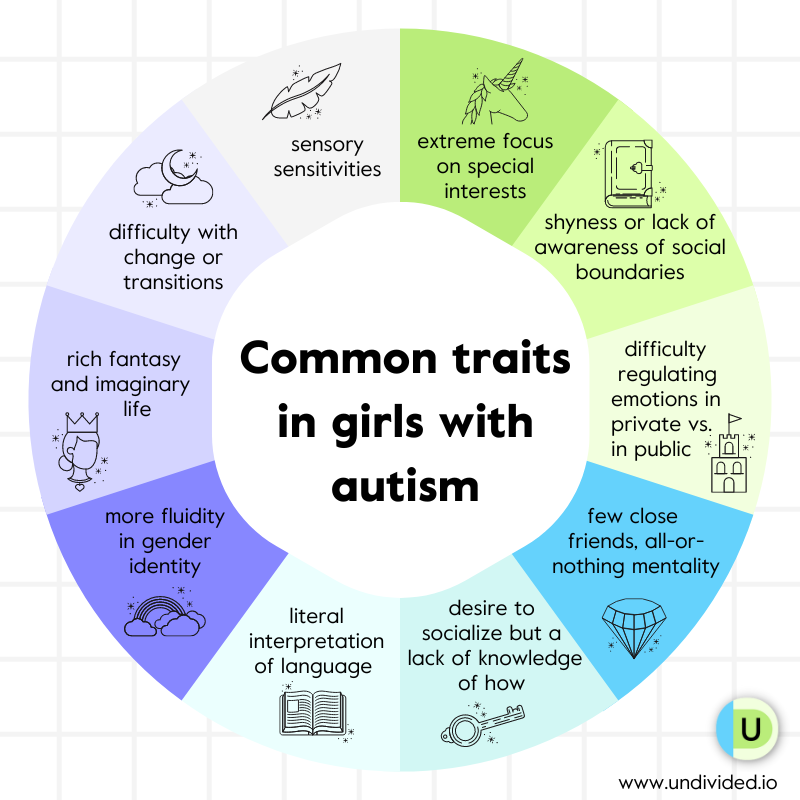
Furthermore, girls frequently exhibit less pronounced speech delays and may develop advanced verbal skills early on, which further masks their underlying social communication difficulties. Their conversations often adhere to social norms superficially, but they may struggle with the pragmatic nuances of language, such as maintaining reciprocal dialogue or interpreting sarcasm and figurative expressions.
The Social Labyrinth: Challenges in Peer Relationships
While many children grapple with social interaction, girls with autism often find themselves navigating a complex social labyrinth. The pressure to conform to socially prescribed gender norms intensifies their need to fit in, which can engender profound internal conflicts and emotional distress.
Relationships among girls tend to be nuanced and heavily reliant on subtle social cues, empathy, and shared emotional experiences. Autistic girls may find it difficult to decode these intricate social codes, resulting in feelings of isolation and exclusion. Their peers might misinterpret their atypical social responses, sometimes labeling them as aloof or disinterested.
Moreover, the social expectations for girls to be nurturing, empathetic, and communicative can exacerbate the visibility of their social challenges. This incongruence often leads to misunderstandings and, regrettably, bullying or social rejection, compounding the emotional toll and self-esteem issues.
Emotional and Mental Health Complexities
The intersection of autism and gender creates a vulnerability to various mental health difficulties. Anxiety and depression commonly co-occur due to persistent social pressures and the exhausting effort involved in masking autistic traits. The relentless pursuit of normalcy saps emotional reserves, often culminating in burnout — a state of profound exhaustion and diminished functioning.
Girls with autism may internalize their challenges, exhibiting heightened sensitivity and self-critical tendencies. Their emotional experiences are frequently intense but may be concealed beneath a veneer of composure cultivated through years of masking. This concealment can impede timely recognition and treatment of mental health concerns, underlining the critical need for clinicians to adopt sensitive, gender-informed diagnostic approaches.
The Diagnostic Dilemma: Why Are Many Girls Overlooked?
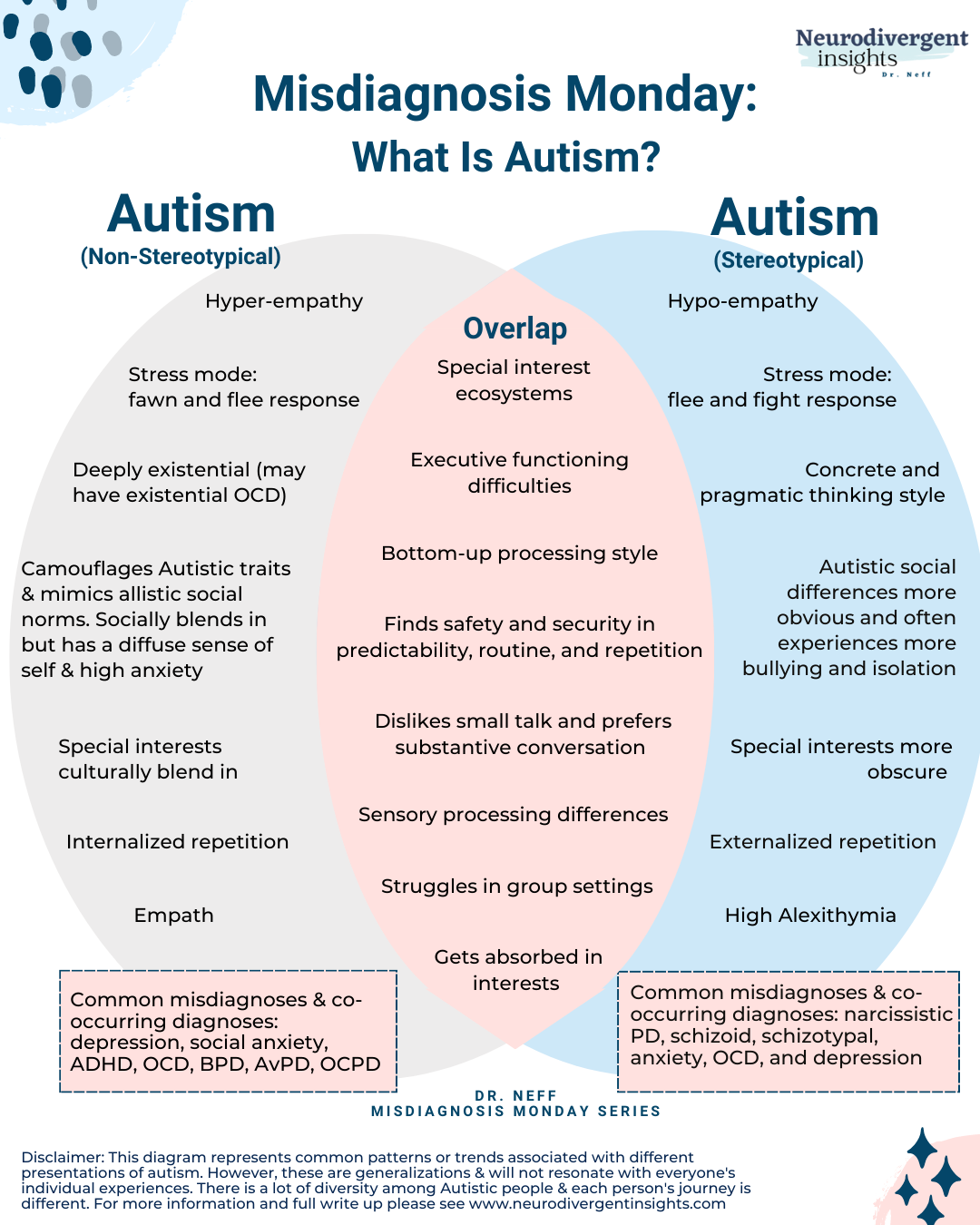
The underrecognition of autism in girls is a pervasive issue attributable to several interrelated factors. Paramount among these is the gender bias in diagnostic criteria and assessment tools, which were historically developed based on predominantly male populations. These frameworks emphasize externalizing behaviors such as hyperactivity and aggression—behaviors more typical in boys—and often overlook the subtler presentations seen in girls.
Additionally, the already mentioned social camouflaging further obscures diagnostic clarity. Health professionals may misattribute autistic traits to anxiety disorders, borderline personality disorder, or even dismiss them as shyness or selective mutism. This misdiagnosis delays intervention, sometimes by years, and leaves many girls without the specialized support they require.
Pathways to Empowerment: Supporting Girls on the Spectrum
Recognizing and appreciating the distinct experiences of girls with autism is the cornerstone of effective support. A multifaceted approach encompasses early identification, personalized interventions, and fostering environments that celebrate neurodiversity rather than demanding conformity.
Educational settings that tailor social skills training to incorporate the complexities of female social dynamics can greatly enhance peer relationships. Therapeutic programs emphasizing emotional regulation, self-advocacy, and resilience building empower girls to navigate challenges with greater confidence.
Family support also plays an indispensable role. Educating parents and caregivers about the unique manifestations of autism in girls cultivates understanding and patience, laying a nurturing foundation where differences are acknowledged and strengths are championed.
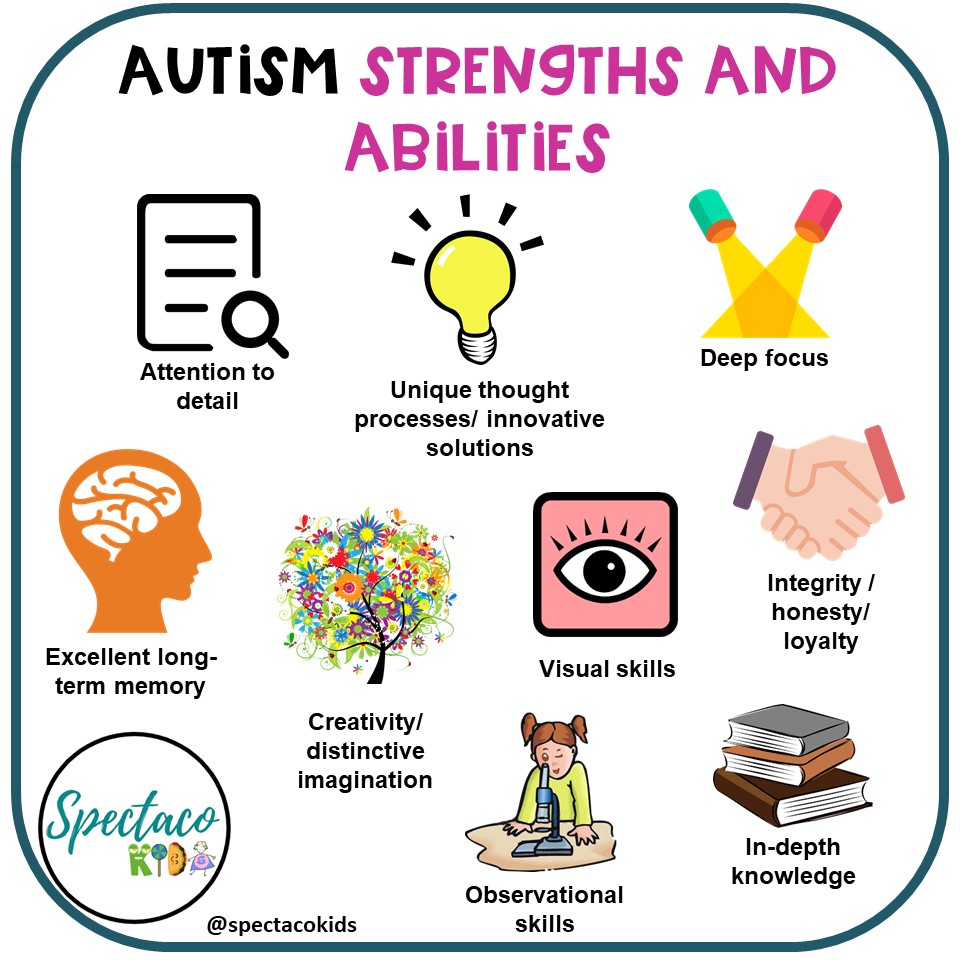
Ultimately, embracing the strengths and abilities innate to these girls enriches not only their lives but the broader tapestry of human diversity. Their creativity, empathy, and perseverance are invaluable assets that flourish when given the appropriate encouragement and resources.
Conclusion: Toward a More Inclusive Understanding
The enigma of autism in girls challenges preconceived notions and invites a paradigm shift in diagnosis, support, and societal awareness. Acknowledging the subtlety of their traits and the complexity of their challenges dismantles barriers of invisibility and misunderstanding.
Progress lies in embracing a nuanced perspective—one that values the individuality of each girl on the spectrum and prioritizes tailored interventions. By fostering inclusive attitudes and informed practices, the multidimensional needs of autistic girls can be met with empathy and expertise, ensuring they thrive not in spite of, but because of their unique neurodivergence.