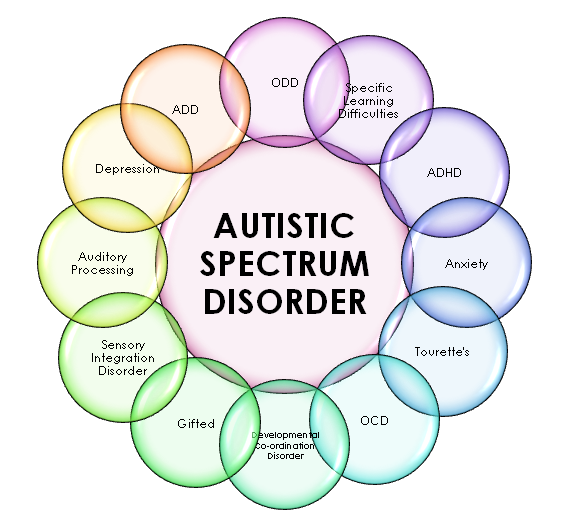
The intersection of autism and giftedness offers a landscape as complex as it is compelling—a unique journey marked by remarkable strengths intertwined with profound challenges. Often coined as “twice-exceptional” or 2e, individuals who embody both exceptional intellectual abilities and neurodivergent traits navigate worlds that demand nuanced understanding and tailored support. This exploration delves into the intricate tapestry of the twice-exceptional experience, shedding light on its multifaceted nature, educational implications, emotional nuances, and strategies that foster thriving in this often-overlooked population.
Understanding Twice-Exceptionality: More Than Meets the Eye
Twice-exceptional individuals are not merely gifted or solely autistic; they represent a confluence of capabilities and obstacles that challenge prevailing educational and social paradigms. Giftedness, characterized by advanced cognitive abilities, exceptional creativity, or prodigious problem-solving skills, simultaneously coexists with autism spectrum disorder (ASD), which may introduce social communication difficulties, sensory sensitivities, and behavioral divergences.
The dual presence of these traits often complicates identification and support processes, as masks of giftedness can obscure underlying disabilities, and autism-related challenges can overshadow intellectual strengths. Recognizing the nuanced spectrum that twice-exceptionality inhabits is essential for unlocking potentials while addressing complexities holistically.
The Cognitive and Emotional Landscape of Twice-Exceptional Individuals
Intellectually, twice-exceptional individuals exhibit an extraordinary capacity for abstract reasoning, pattern recognition, and innovative thinking. These cognitive assets may manifest as advanced vocabulary, heightened curiosity, or exceptional memory. Yet, juxtaposed against these talents are emotional and sensory intricacies—heightened sensitivity to environmental stimuli, difficulty interpreting social cues, and occasionally, asynchronous development across cognitive, emotional, and physical domains.
Emotionally, this blend can incite frustration, anxiety, and a persistent sense of otherness. The mismatch between advanced intellectual needs and social-emotional processing often results in heightened vulnerability. This divergence can sometimes fuel internal conflict—a gifted mind constrained by the challenges characteristic of autism, or vice versa—leading to potential identity struggles and feelings of isolation.

Educational Challenges and Innovations
In educational settings, twice-exceptional learners often find themselves caught in a dichotomy. Traditional gifted programs may not accommodate their unique social or sensory needs, while special education often fails to challenge their intellectual capacities. This dichotomy can lead to underachievement, behavioral issues, or disengagement.
Effective educational strategies for twice-exceptionality require a bespoke approach that simultaneously nurtures giftedness and accommodates neurodivergent needs. This might include differentiated instruction, flexible accommodations, social-emotional learning supports, and access to enrichment opportunities that foster curiosity and innovation.
Moreover, multidisciplinary collaboration among educators, psychologists, and families is pivotal. A robust Individualized Education Program (IEP) or 504 Plan that is cognizant of both giftedness and autism allows for precise goal setting and progress monitoring. Integrating visual supports, executive functioning coaching, and sensory-friendly environments can transform the educational experience from one of frustration to fulfillment.
Societal and Familial Dynamics
Outside educational realms, the twice-exceptional experience reverberates profoundly within social and familial spheres. Families often face challenges in sourcing appropriate resources and understanding the convoluted behaviors arising from this duality. Society at large holds limited awareness, sometimes fostering misconceptions that either diminish capabilities or emphasize deficits.
Advocacy and community engagement become critical tools in dismantling stigma and forging supportive networks. Families and professionals growing together in knowledge cultivate empathy and resilience. Shared narratives and storytelling about twice-exceptionality elevate public consciousness, promoting acceptance and inclusivity.

Strategies for Thriving: Empowerment and Self-Advocacy
Empowerment for twice-exceptional individuals lies in cultivating self-awareness, resilience, and self-advocacy. Recognizing their own unique neurological profile can alleviate internalized frustration and foster personal growth. Adults who were twice-exceptional as children often emphasize the importance of understanding one’s own neurodivergence alongside intellectual gifts as a cornerstone of wellbeing.
Developing executive functioning skills—such as goal-setting, time management, and emotional regulation—paired with mentoring and peer support networks, provides a scaffold for success. Encouraging exploration of interests in safe, affirming environments enriches identity formation and nurtures intrinsic motivation.
Technology, too, plays a transformative role. Assistive tools for communication, organization, and sensory modulation create avenues for greater independence and expression, democratizing access to opportunity.
The Future of Twice-Exceptionality: Research and Advocacy
The evolving frontier of twice-exceptionality research continues to uncover deeper insights into the neurological, psychological, and sociocultural dimensions of this phenomenon. Emerging studies employ neuroimaging, longitudinal analyses, and cross-disciplinary methodologies to refine understanding and intervention.
In tandem, advocacy movements aim to reshape education policy and service delivery frameworks. By championing universal design principles and inclusive pedagogies, the twice-exceptional community can move beyond the margins to flourish more fully.
The journey toward comprehensive recognition and support is ongoing, yet promising. Advancements in awareness, interdisciplinary support, and personalized interventions reflect a growing appreciation for the rich complexity inherent in being twice-exceptional.
In conclusion, autism and giftedness conjoin to form a dynamic interplay of extraordinary potential and distinctive challenges. The twice-exceptional experience demands careful navigation—a delicate balance between celebrating exceptionalism and addressing neurodivergence. By fostering informed understanding, embracing individualized education, and nurturing emotional wellbeing, society can empower twice-exceptional individuals not merely to survive, but to thrive with authenticity and brilliance.