Communication is often likened to a bridge — a vital pathway connecting two islands. For children with autism, however, this bridge may be under constant repair, sometimes incomplete or obscured by mist. Parents and teachers play the role of architects and builders, constructing and reinforcing this bridge to create a seamless passage for understanding. Navigating the unique landscape of autism communication requires not only patience but a treasure trove of adaptive strategies rooted in empathy, creativity, and precision. The journey is as nuanced as it is rewarding, unveiling pathways where words falter and connection flourishes.
Decoding the Nuances: Understanding Autism and Communication Challenges
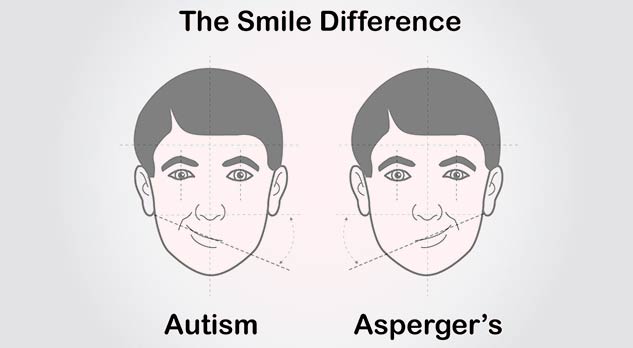
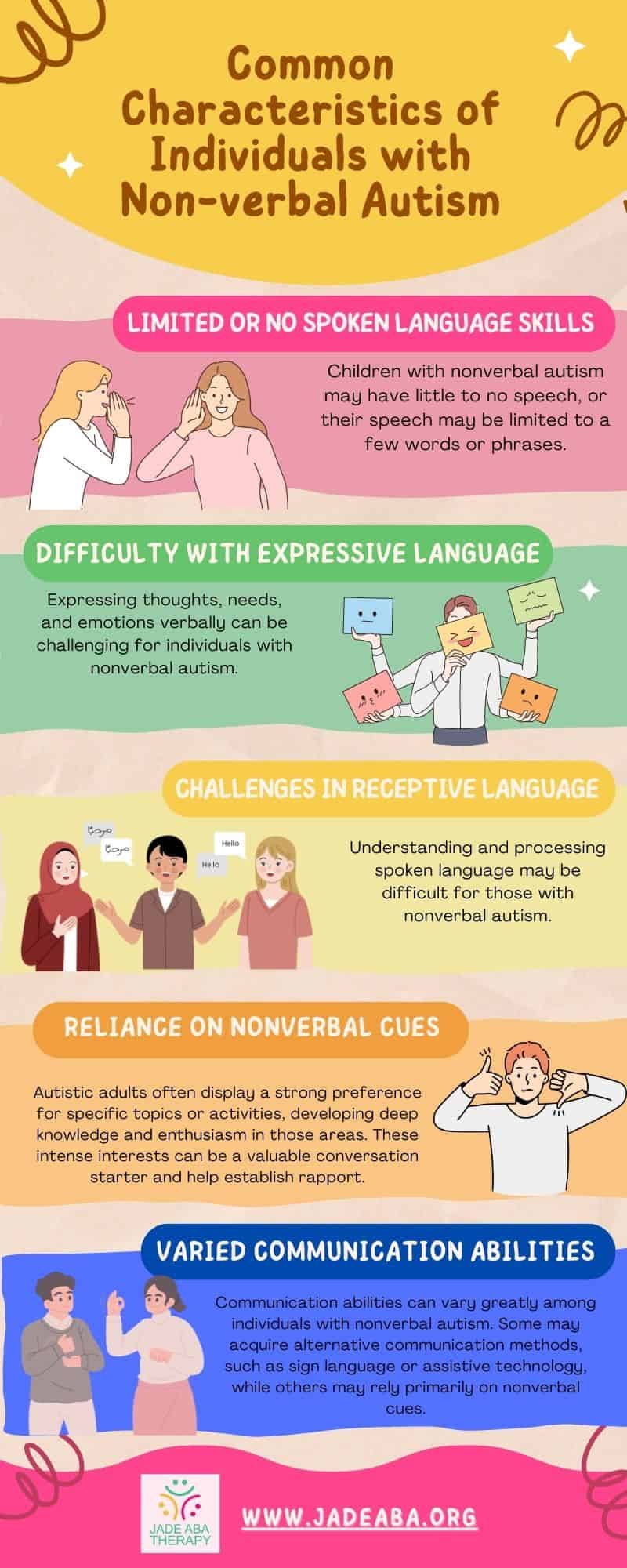
Autism spectrum disorder (ASD) manifests in myriad ways, especially in communication modalities. Traditional verbal exchanges often prove daunting, akin to deciphering a cryptic manuscript without a key. These challenges may encompass delayed speech development, atypical prosody, and difficulty interpreting nonverbal cues such as facial expressions or gestures. Furthermore, many autistic individuals employ alternative communication methods, such as echolalia (repetition of words), or rely heavily on visual supports.
Recognizing that communication is not monolithic but a spectrum of expression empowers parents and educators to tailor their approach. Viewing communication as a unique dialect rather than a deficit reframes challenges into opportunities for connection, fostering a climate of respect and understanding.
Employing Visual Supports: Creating Vivid Signposts
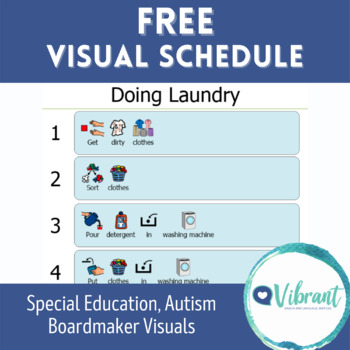
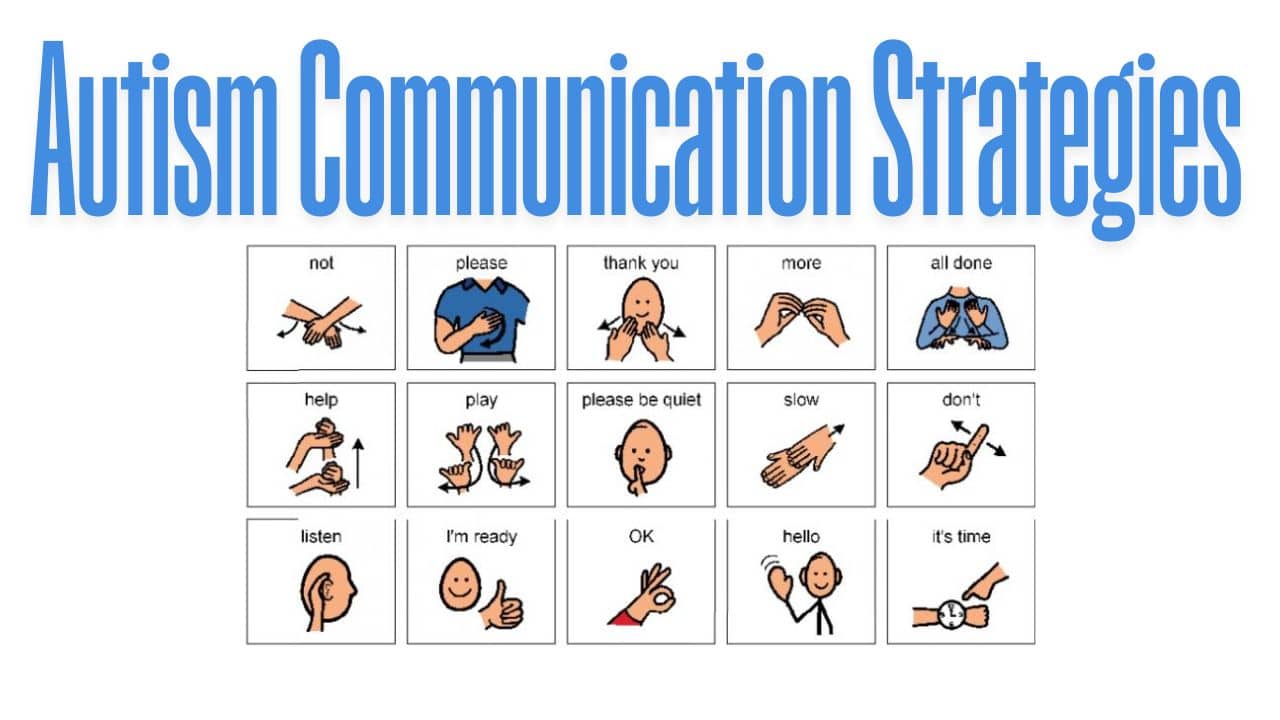
Visual aids act as beacons in the fog of ambiguous communication, guiding individuals with autism toward clearer understanding. Charts, pictograms, and social stories transform abstract concepts into concrete, digestible formats. These visual supports codify routine, expectations, and emotional states, serving as accessible roadmaps through daily interactions.
For instance, “first-then” boards elucidate sequences, reducing anxiety around transitions. Visual schedules anchor time awareness, subtly reinforcing autonomy by delineating what to expect. The transformative power of these tools lies in their ability to transcend linguistic barriers, harmonizing comprehension through imagery.

Harnessing the Power of Augmentative and Alternative Communication (AAC)
When verbal communication is a bridge under constant construction, AAC tools provide a sturdy alternative pathway. These encompass a broad array of modalities, including communication boards, speech-generating devices, and picture exchange systems. These tools empower nonverbal or minimally verbal children to express needs, desires, and emotions without the frustration of traditional speech.
The selection and implementation of AAC must be personalized, respecting the individual’s preferences and cognitive abilities. Consistent practice and integration into daily routines ensure these devices transcend their mechanical nature, becoming extensions of the individual’s voice.
Fostering Reciprocal Interaction: The Bedrock of Communication
True communication is a dance — an ebb and flow of give and take. For many with autism, the choreography of social reciprocity may feel foreign or overwhelming. Facilitating joint attention, turn-taking, and shared interests becomes paramount in building this foundation.
Techniques such as modeling appropriate communication behaviors, using playful interaction, and emphasizing strengths nurture this delicate dance. When communication is approached as a mutual endeavor rather than a one-sided endeavor, connections flourish and deepen.
Embracing Sensory Sensitivities: Tailoring the Environment
Communication does not occur in a vacuum. Sensory stimuli can profoundly impact the efficacy of interactions. Bright lights, excessive noise, or uncomfortable textures may act as barriers, clouding focus and increasing stress.
Creating sensory-friendly spaces elevates the potential for meaningful communication. This may involve dimming lights, reducing background noise, or allowing flexible movement options. When the environment respects and accommodates sensory preferences, the pathway for communication becomes clear and inviting.
Strengthening Pragmatic Language and Social Skills
Pragmatic language — the social use of language — is often where children with autism encounter turbulence. Understanding nuances such as tone, metaphor, humor, and nonliteral language requires intricate cognitive processing. Targeted interventions focusing on these skills enhance not only speech but social confidence and peer relationships.
Role-playing scenarios, social narratives, and video modeling provide practical and engaging methods to internalize these subtleties. Encouraging peers to be patient and inclusive further scaffolds these efforts.

Consistency and Patience: The Quiet Virtues of Communication Growth
Like a garden, communication skills blossom through continual nurturing and care. Consistency in approach, reinforcements, and expectations form the fertile soil where progress can take root. Equally important is patience; breakthroughs often come in small, seemingly inconspicuous steps rather than dramatic leaps.
Parents and teachers are encouraged to celebrate incremental achievements, fostering resilience and motivation. Flexibility in adapting strategies to evolving needs ensures that communication pathways remain open and robust.
Collaboration and Advocacy: Building a Supportive Network
No bridge stands alone; it requires engineers, builders, and a vigilant maintenance team. Similarly, effective communication strategies thrive within a network of collaboration. Parents, educators, therapists, and medical professionals must synchronize efforts, sharing observations and strategies.
Advocacy for appropriate resources, accommodations, and understanding strengthens the infrastructure supporting the autistic individual. This united approach not only enhances communication outcomes but exemplifies a community’s commitment to inclusion and empowerment.
Communication with children on the autism spectrum is a symphony composed of varied instruments – some melodic, others percussive, each contributing its unique sound. By understanding the intricate rhythms and harmonies of autism communication, parents and teachers become skilled conductors, facilitating beautiful and meaningful exchanges that transcend barriers. The bridge they build is one not merely of words, but of trust, patience, and unwavering connection.