What if the key to unlocking deeper social connections for autistic individuals wasn’t found in the physical world, but in the boundless, pixelated expanse of the metaverse? As virtual worlds evolve from mere digital playgrounds into sophisticated ecosystems of interaction, they offer a tantalizing promise: a space where social norms are rewritten, sensory overload is managed, and communication barriers dissolve like pixels in sunlight. For many on the autism spectrum, the metaverse isn’t just a novelty—it’s a lifeline, a sanctuary where the weight of neurotypical expectations lifts, and authenticity thrives. Yet, as we peer into this digital horizon, a critical question emerges: Can these virtual realms truly bridge the gap between isolation and belonging, or do they merely recast old challenges in a new, glowing form?
The Metaverse as a Social Equalizer: Redefining Connection for Autistic Individuals
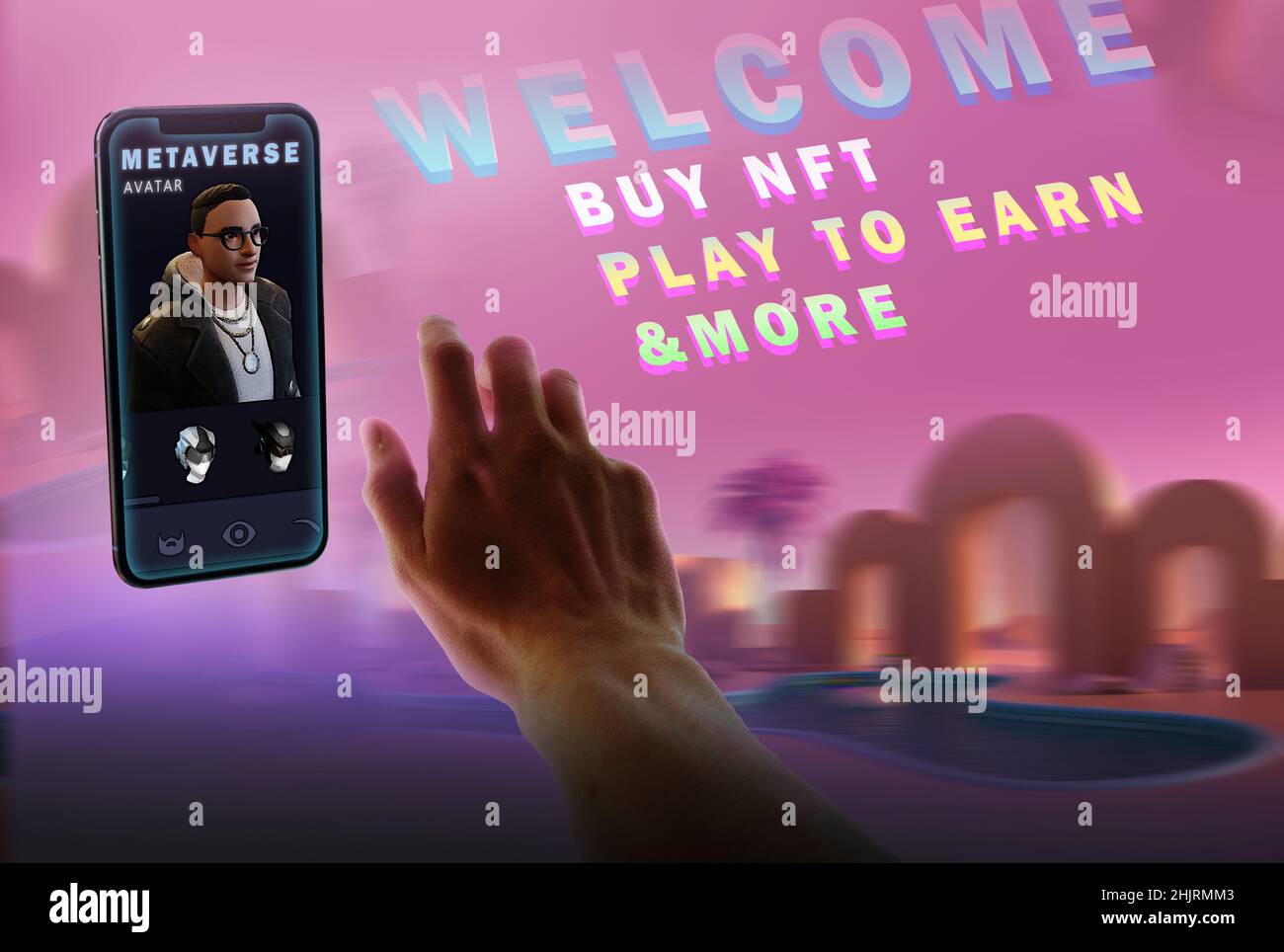
The metaverse, with its immersive 3D environments and avatar-based interactions, presents a radical departure from traditional social spaces. For autistic individuals—who often navigate a world designed for neurotypical communication—virtual worlds offer a rare opportunity to control the pace, tone, and structure of social engagement. Unlike face-to-face interactions, where unspoken cues and rapid-fire dialogue can feel overwhelming, the metaverse allows users to curate their presence, choosing when to engage, how to express themselves, and which sensory stimuli to prioritize. This level of agency is transformative. It shifts the power dynamic from one of constant adaptation to one of intentional participation.
Consider the act of conversation. In physical spaces, autistic individuals may struggle with eye contact, facial expressions, or the relentless pressure to respond in real time. The metaverse, however, decouples communication from these demands. Avatars can convey emotion through exaggerated gestures or pre-programmed animations, while text-based chat removes the urgency of verbal responses. For those who process language at a different pace, this asynchronous interaction can be liberating. It’s not about replacing human connection but about redefining it on terms that feel safe and sustainable.
Sensory Sanctuary: Crafting Personalized Virtual Environments
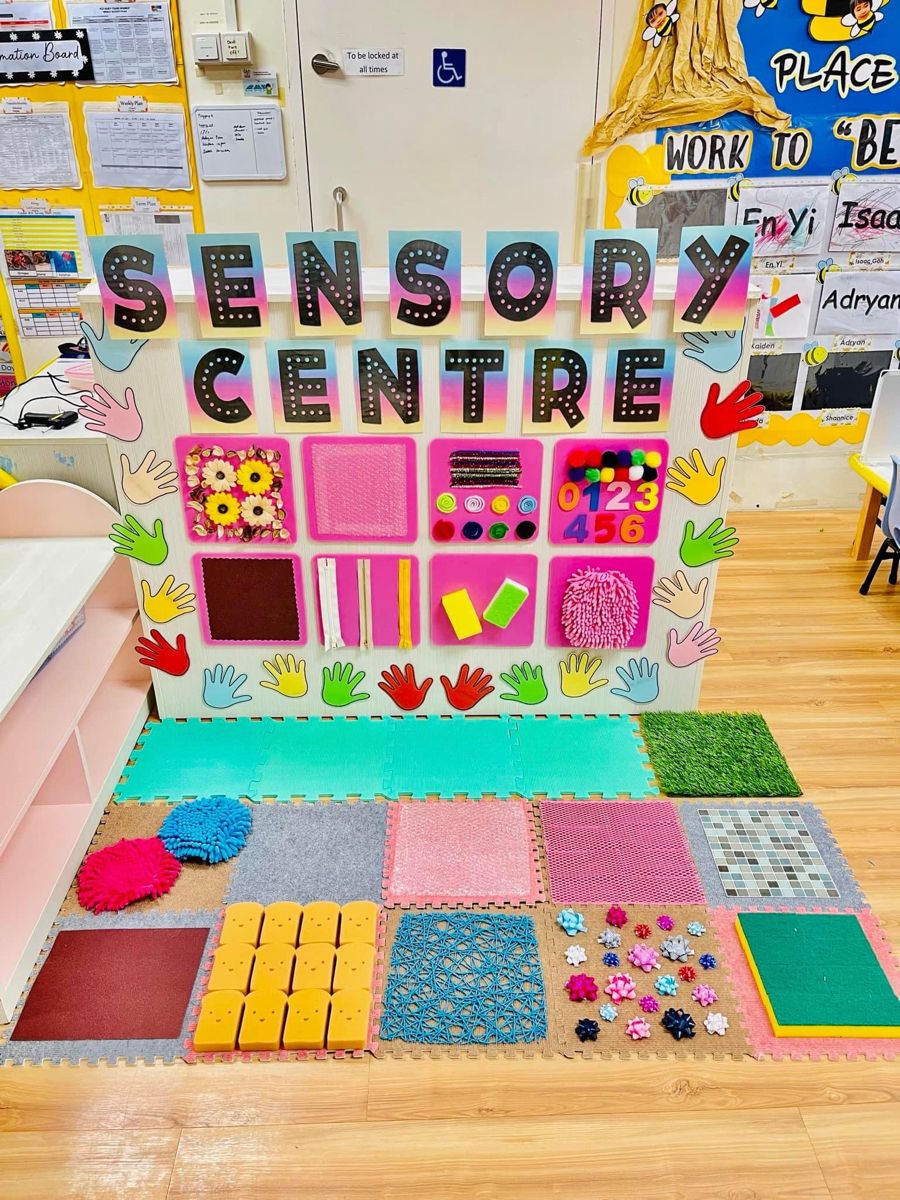
One of the most compelling aspects of the metaverse for autistic users is its capacity to tailor sensory experiences. Physical spaces often bombard individuals with stimuli—bright lights, loud noises, crowded rooms—that can trigger distress or shutdown. Virtual worlds, by contrast, allow users to design their surroundings with precision. Need a quiet, dimly lit room to decompress? A serene forest to recharge? A bustling virtual café to practice socializing at your own pace? The metaverse can accommodate all of it. Platforms like VRChat and Second Life enable users to build or join environments that align with their sensory preferences, turning what was once a source of anxiety into a space of comfort.
This customization extends beyond visuals. Soundscapes can be adjusted to include only soothing frequencies, while haptic feedback—vibrations that simulate touch—can be calibrated to avoid overstimulation. For autistic individuals who experience synesthesia or heightened sensitivity to textures, these features aren’t just convenient; they’re essential. The metaverse becomes a sensory sanctuary, a place where the world bends to meet individual needs rather than demanding conformity.
The Double-Edged Sword: Social Anxiety in a Digital Disguise
Yet, for all its promise, the metaverse is not a utopia. Beneath its shimmering surface lies a paradox: the very tools designed to ease social anxiety can also amplify it. The pressure to present a polished avatar, to perform in a virtual space, or to keep up with the relentless pace of digital interactions can create a new kind of stress. Autistic individuals may find themselves grappling with the same fears they sought to escape—fear of judgment, fear of misunderstanding, fear of being “found out” as different. The metaverse, after all, is still a social space, and social spaces, by definition, come with expectations.
Moreover, the illusion of anonymity can be a double-edged sword. While it allows for experimentation and self-expression, it can also foster environments where bullying or exclusion thrives. Autistic users may encounter avatars that mimic real-world cruelty, where exclusion isn’t just metaphorical but literal—being ignored in a virtual room, muted in a chat, or outright banned from a community. The digital realm doesn’t erase the social hierarchies of the physical world; it merely transposes them into a new medium. For those already navigating the complexities of social navigation, this can feel like trading one maze for another.
Building Bridges: The Role of Community and Design
The success of the metaverse as a tool for autistic social connection hinges on two critical factors: community and design. Communities that prioritize inclusivity—where moderators enforce anti-bullying policies, where avatars are celebrated for their uniqueness, and where social rules are explicitly stated—can transform the metaverse into a haven. Platforms that offer structured activities, such as virtual art classes or collaborative games, provide low-pressure opportunities for interaction. These aren’t just distractions; they’re scaffolding, helping users build confidence in a controlled environment before venturing into more open-ended social spaces.
Design also plays a pivotal role. Developers must consider the needs of neurodivergent users from the outset, incorporating features like customizable avatars, clear navigation tools, and options for sensory modulation. Accessibility shouldn’t be an afterthought; it should be a foundation. For example, platforms could integrate “quiet mode” settings that reduce visual clutter or provide real-time captioning for those who process auditory information differently. The goal isn’t to create a separate but equal metaverse for autistic individuals but to design a metaverse where everyone, regardless of neurology, can thrive.
The Future: A Hybrid Social Landscape
The metaverse isn’t a replacement for the physical world but a complement—a space where autistic individuals can practice skills, explore identities, and form connections without the constraints of traditional social norms. It’s a place where a teenager who struggles with eye contact can attend a virtual concert without the pressure to perform, or where an adult can experiment with social roles in a low-stakes environment. Yet, its potential is only as vast as the communities that inhabit it. The challenge lies in ensuring that these digital worlds remain inclusive, adaptable, and free from the same biases that plague physical spaces.
As we stand on the precipice of this digital frontier, it’s worth asking: Will the metaverse become a tool of empowerment, a space where autistic individuals finally find their voice? Or will it merely become another arena where old struggles resurface in new forms? The answer depends on the choices we make today—choices about design, about community, and about the kind of world we want to build, one pixel at a time.
The metaverse isn’t just a playground. It’s a mirror, reflecting both our highest aspirations and our deepest flaws. The question isn’t whether it can change the world, but whether we’re willing to change it with intention.