Autism is not a monolith. It is a constellation of experiences, a spectrum of voices, and a mosaic of identities that defy simplification. For decades, society has framed autism through a lens of deficit—where differences in communication, social interaction, and sensory processing were pathologized as obstacles to overcome. Yet, beneath this conventional narrative lies a quieter revolution, one led not by clinicians or researchers, but by those who live the experience every day. The Autistic Self Advocacy Network (ASAN) stands at the vanguard of this transformation, challenging long-held assumptions and redefining what it means to advocate for neurodiversity.
Founded in 2006 by Ari Ne’eman and Scott Michael Robertson, ASAN emerged from a radical idea: that autistic people should lead the conversation about their own lives. This was not merely a shift in leadership—it was a paradigm shift in perspective. Where traditional advocacy often prioritized “curing” autism or mitigating its traits, ASAN championed acceptance, empowerment, and systemic change. Their mission was clear: to ensure that autistic individuals—not their caregivers or professionals—were the architects of policies, the authors of narratives, and the stewards of their own futures.
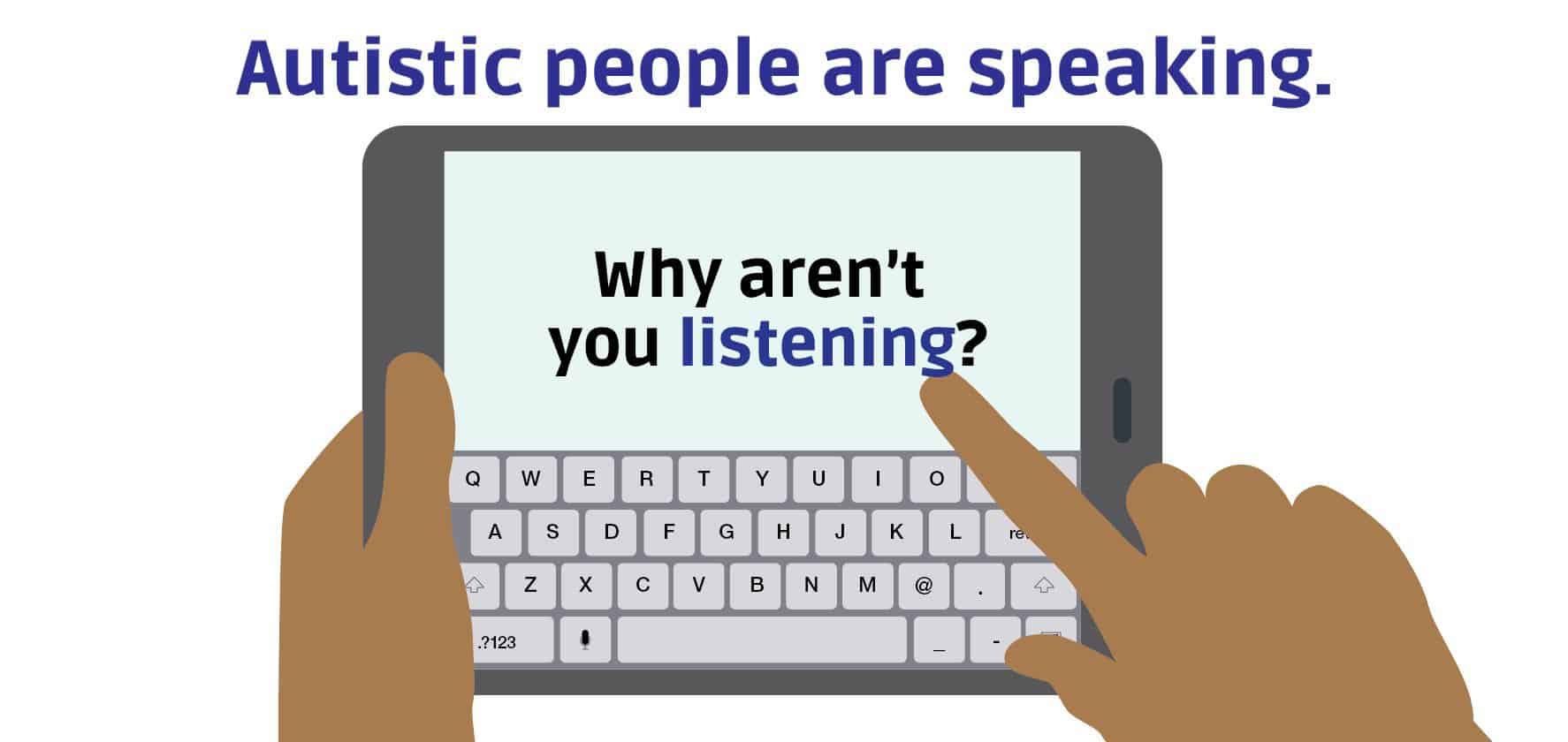
At the heart of ASAN’s philosophy is the rejection of the “medical model” of disability, which frames autism as a disorder to be treated. Instead, they embrace the social model of disability, which posits that the barriers autistic people face are not inherent to their neurology but are constructed by a world that fails to accommodate difference. This perspective reframes autism not as a problem to solve, but as a natural variation of human cognition—one that demands societal adaptation rather than individual adjustment. It is a stance that echoes the civil rights movements of the past, where marginalized groups demanded not pity, but justice.
The organization’s work spans advocacy, education, and community-building. ASAN has been instrumental in pushing for policies that protect autistic individuals from discrimination, such as the inclusion of autism in the Americans with Disabilities Act (ADA) and the fight against harmful practices like aversive therapies. Their campaigns have exposed the ethical pitfalls of “autism awareness” campaigns that focus on fear and tragedy, advocating instead for autism acceptance—a celebration of autistic identities and a commitment to dismantling stigma.
One of ASAN’s most significant contributions has been its role in reshaping public discourse. Through research, policy briefs, and direct advocacy, the organization has dismantled myths about autism, such as the debunked link between vaccines and autism, and has challenged the narrative that autistic people lack empathy or emotional depth. Their work has highlighted the strengths of autistic cognition—pattern recognition, hyperfocus, and unique problem-solving abilities—that are often overlooked in favor of deficit-based framing.

ASAN’s approach to advocacy is deeply intersectional. They recognize that autistic people are not a homogenous group; their experiences are shaped by race, gender, class, and disability. For instance, Black autistic individuals often face compounded discrimination, navigating both racial and disability-based biases in healthcare, education, and employment. ASAN’s initiatives address these disparities, advocating for culturally competent care and inclusive policies that account for the diverse realities of autistic lives.
The organization also places a strong emphasis on youth leadership. Programs like the Autistic Youth Leadership Academy provide young autistic people with the tools to become advocates in their own right, fostering a new generation of leaders who can articulate their needs and challenge systemic barriers. This focus on empowerment is a departure from traditional models of advocacy, which often treat autistic individuals as passive recipients of care rather than active participants in change.
Yet, ASAN’s work is not without controversy. Their opposition to certain autism therapies, such as Applied Behavior Analysis (ABA), has sparked debate. Critics argue that ABA can be coercive and traumatic, while proponents claim it is essential for skill development. ASAN’s stance is rooted in the belief that therapies should never aim to suppress autistic traits but instead should support individuals in navigating a world that is not built for them. This nuanced position reflects their broader commitment to autonomy and self-determination.
Beyond policy and education, ASAN fosters a sense of community. Their events, webinars, and online forums provide spaces where autistic people can connect, share experiences, and find solidarity. These gatherings are not just support networks; they are incubators of cultural identity, where autistic individuals can explore what it means to be autistic without apology. In a society that often pathologizes difference, these spaces are revolutionary.
The impact of ASAN’s work is evident in the shifting tides of public perception. Where once autism was discussed in hushed tones, now it is celebrated in art, literature, and media. Autistic voices are increasingly centered in conversations about policy, education, and representation. This cultural shift is not accidental; it is the result of tireless advocacy, relentless education, and an unwavering commitment to justice.
To understand autism today is to understand the power of self-advocacy. ASAN’s legacy is not just in the policies they’ve influenced or the myths they’ve debunked, but in the way they’ve redefined what it means to live authentically. They have shown that advocacy is not about fixing people, but about dismantling the systems that seek to control them. In a world that often demands conformity, ASAN offers a different promise: that autistic lives are not just valuable, but vital to the richness of human experience.
As society continues to evolve, the lessons of ASAN’s work remain urgent. Autism is not a puzzle to be solved, but a perspective to be heard. And in a world that has long silenced autistic voices, organizations like ASAN remind us that the most powerful advocates are not those who speak for others, but those who empower others to speak for themselves.