In the realm of neurodiversity, there exists a phenomenon both subtle and pervasive — autism masking. For many adults on the autism spectrum, masking is more than a mere coping mechanism; it is a complex, often exhausting performance that conceals their authentic selves. This concealed reality, rarely visible to the casual observer, beckons a deeper understanding of the motivations behind masking and the profound impact it has on those who live it daily. Autism masking in adults is a hidden struggle that intertwines social survival, identity, and mental health.
The Facade of Normalcy: What Is Autism Masking?
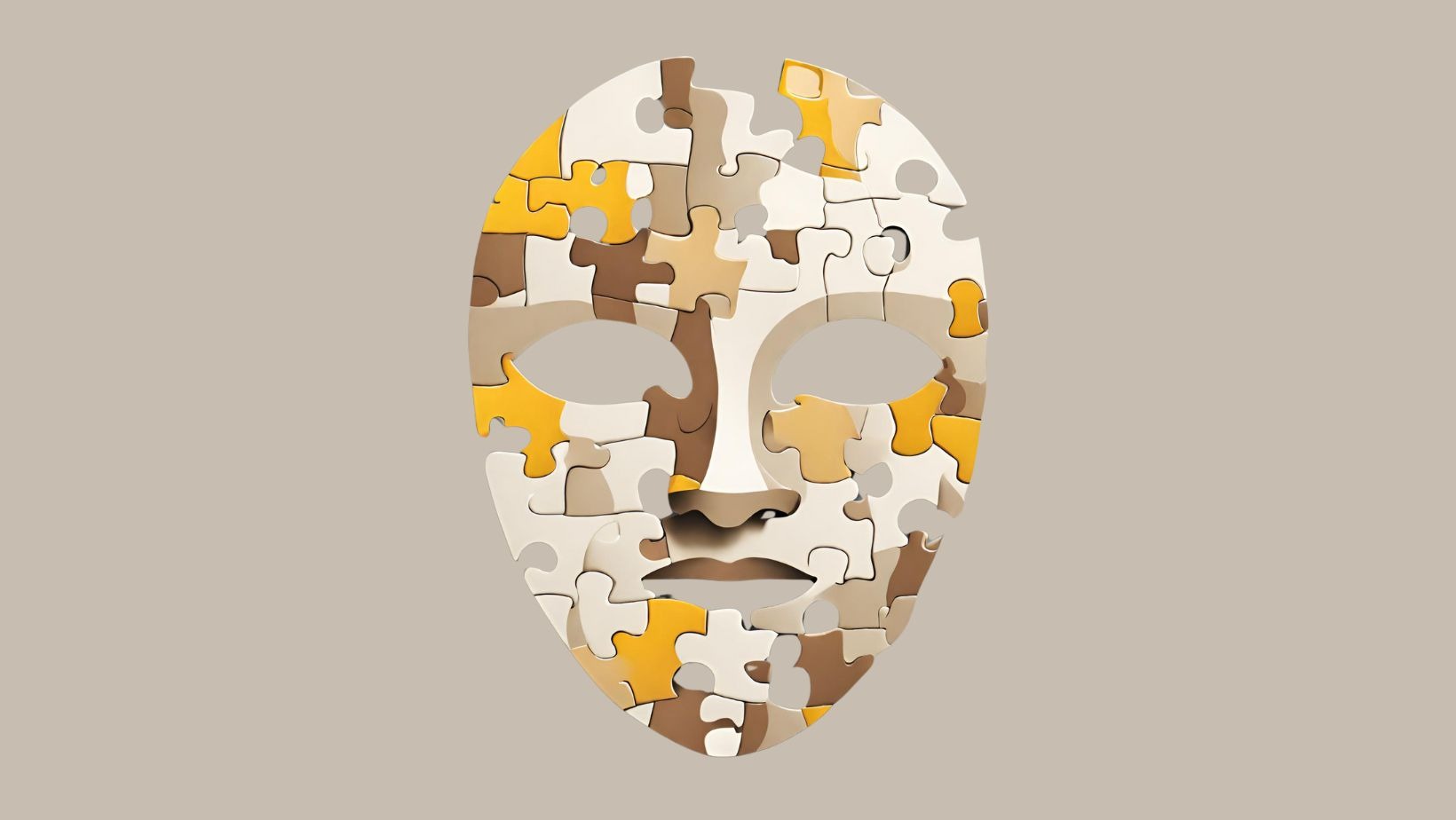
Masking refers to the conscious or unconscious efforts by autistic individuals to camouflage behaviors that might be perceived as socially unacceptable or atypical in neurotypical settings. It involves mimicking social cues, suppressing natural stimming behaviors, and rehearsing conversational scripts to blend seamlessly into societal norms. This facade, carefully constructed, allows many to navigate workplaces, social gatherings, and public spaces with a semblance of conformity. Yet beneath this veneer lies a reservoir of suppressed individuality and often, significant emotional labor.

The practice of masking is frequently observed but seldom fully appreciated. It is a survival strategy borne from the implicit and explicit pressures to fit in, to be understood, or to avoid stigma. Masking is not limited to a specific type of autistic individual; it spans genders, ages, and cultures — a universal yet highly personalized experience.
The Social Imperative and Ingrained Conditioning
At its core, autism masking arises from societal expectations. From early childhood, many autistic individuals encounter environments that reward conformity and punish deviation from unwritten social codes. Educational systems, workplaces, and social groups often emphasize normative communication, emotional reciprocity, and body language that may not align naturally with autistic neurology.
This dynamic fosters a continuous internal negotiation: suppress one’s intrinsic inclinations to engage socially, or risk alienation. Over time, this process becomes ingrained, almost automatic. Adults who have mastered masking often describe it as second nature, an internalized script performed to maintain social harmony and avoid negative judgments.
Emotional and Psychological Toll of Masking
While masking can facilitate outward success and social acceptance, it incurs a considerable emotional cost. The cognitive load involved in constant self-monitoring and modulation can lead to chronic stress and fatigue. This phenomenon, sometimes described as “autistic burnout,” manifests as physical exhaustion, diminished executive functioning, and a pervasive sense of disenfranchisement.

Moreover, masking can distort self-perception. When individuals consistently suppress vital aspects of their identity, they may experience alienation from their true selves. This internal dissonance increases vulnerability to anxiety, depression, and loneliness. The struggle becomes not just about interacting with the external world, but reconciling with one’s own authentic existence.
Masking as a Double-Edged Sword
It is imperative to recognize that masking, despite its challenges, is often employed with agency and intent. Many autistic adults use masking as a tool to access opportunities otherwise closed off due to misunderstanding or prejudice. In professional contexts, mastering social camouflage can open doors to career advancement and in personal realms, it can facilitate interpersonal connections.
Nevertheless, this success comes at a cost — the relentless effort to sustain an inauthentic self-presentation. The paradox inherent in autism masking is that while it can shield individuals from discrimination, it simultaneously isolates them from genuine human connection. The relationships forged under such pretenses risk superficiality, depriving individuals of the affirmation that comes from being seen and accepted for who they truly are.
The Nuance of Gender and Masking
Gender plays a nuanced role in the manifestation and recognition of masking. Research and anecdotal evidence suggest that autistic women and non-binary individuals often mask more adeptly and prolifically than their male counterparts. This disparity is thought to stem from societal expectations that females exhibit higher social adaptability and emotional empathy, regardless of neurological differences.
This heightened masking in females contributes to a troubling pattern of underdiagnosis or misdiagnosis, as their autistic traits are obscured beneath layers of learned social behaviors. Consequently, these individuals may receive inadequate support, compounding mental health struggles as they silently negotiate their dual realities.
Towards Awareness and Authenticity
As awareness of autism masking grows, so too does the call for environments that embrace neurodiversity authentically. Cultivating spaces where autistic individuals can lower their masks without fear of reprisal is essential for promoting genuine wellbeing. This includes workplace accommodations, neurodivergent-affirming social groups, and mental health interventions attuned to the unique pressures of masking.
Encouraging open dialogues about masking helps dismantle stigma and societal misconceptions about autism. It invites neurotypical individuals to reconsider rigid interpretations of “normal” social behavior and to appreciate the rich diversity of human interaction styles.
Conclusion: Illuminating the Hidden Struggle
Autism masking in adults encapsulates an intricate interplay between external social forces and internal identity. What appears as mere adaptation masks a profound struggle for authenticity and acceptance. Recognizing this hidden dimension is crucial not only for supporting autistic individuals but for enriching societal perspectives on neurodiversity.
By unveiling the layers of masking, society moves closer to embracing differences—not as deficits to be corrected, but as integral elements of the human mosaic. In doing so, it fosters a world where autistic adults can thrive unmasked, in full possession of their multifaceted identities, unburdened by the invisible weight of concealment.