Within the intricate landscape of autism spectrum disorder (ASD), exercise emerges not merely as a physical activity but as a transformative agent that bridges the divide between body and mind. The prevailing discourse tends to compartmentalize autism and physical health, yet a paradigm shift beckons—a deeper inquiry into how deliberate movement serves as a catalyst for holistic well-being in individuals with autism. This exploration unearths profound benefits, both corporeal and cognitive, inviting a reimagined approach to therapy and lifestyle.
The Multifaceted Impact of Exercise on Physical Health
Exercise for individuals with autism transcends traditional benefits like cardiovascular improvement and muscular strength. Often, these individuals face unique physiological challenges including diminished motor skills, hypotonia, and sensory processing issues that impede routine movement. The integration of structured physical activity offers a potent avenue to enhance motor coordination, proprioceptive integration, and stamina. These advancements facilitate not only an elevated quality of life but also empower greater independence in daily activities.
For children on the spectrum, the benefits ripple outwards: repetitive behaviors can decrease, sleep patterns improve, and gastrointestinal distress often diminishes. All contribute towards an enhanced physical resilience that underpins sustained engagement in social and educational contexts. Adults, too, reap enduring rewards; regular exercise can mitigate the risk of chronic conditions such as obesity, diabetes, and cardiovascular disease, prevalent due to sedentary lifestyles frequently observed in this population.
Neurological and Psychological Benefits: The Mind in Motion
The intersection of exercise and neurodevelopment reveals an astonishing tapestry of mental health benefits. Regular physical activity triggers neurochemical cascades, elevating levels of serotonin, dopamine, and endorphins—crucial neurotransmitters often imbalanced in individuals with autism. This biochemical synergy can alleviate anxiety, reduce depressive symptoms, and modulate the overstimulation that many with ASD experience daily.
Moreover, aerobic and rhythmic exercises cultivate neuroplasticity, fostering improved executive functioning, attention regulation, and cognitive flexibility. These domains are frequently challenging areas for those on the spectrum. Through consistent engagement, exercise propels cerebral connectivity, contributing to enhanced communication and social interaction skills.

Exercise as a Holistic Therapeutic Modality
Beyond its physiological and neurochemical effects, exercise offers an experiential realm that resonates deeply with the sensory and behavioral dimensions of autism. Therapeutic approaches such as aquatherapy, martial arts, yoga, and dance address sensory integration challenges by providing controlled, yet stimulating environments. These activities nurture body awareness, self-regulation, and emotional resilience.
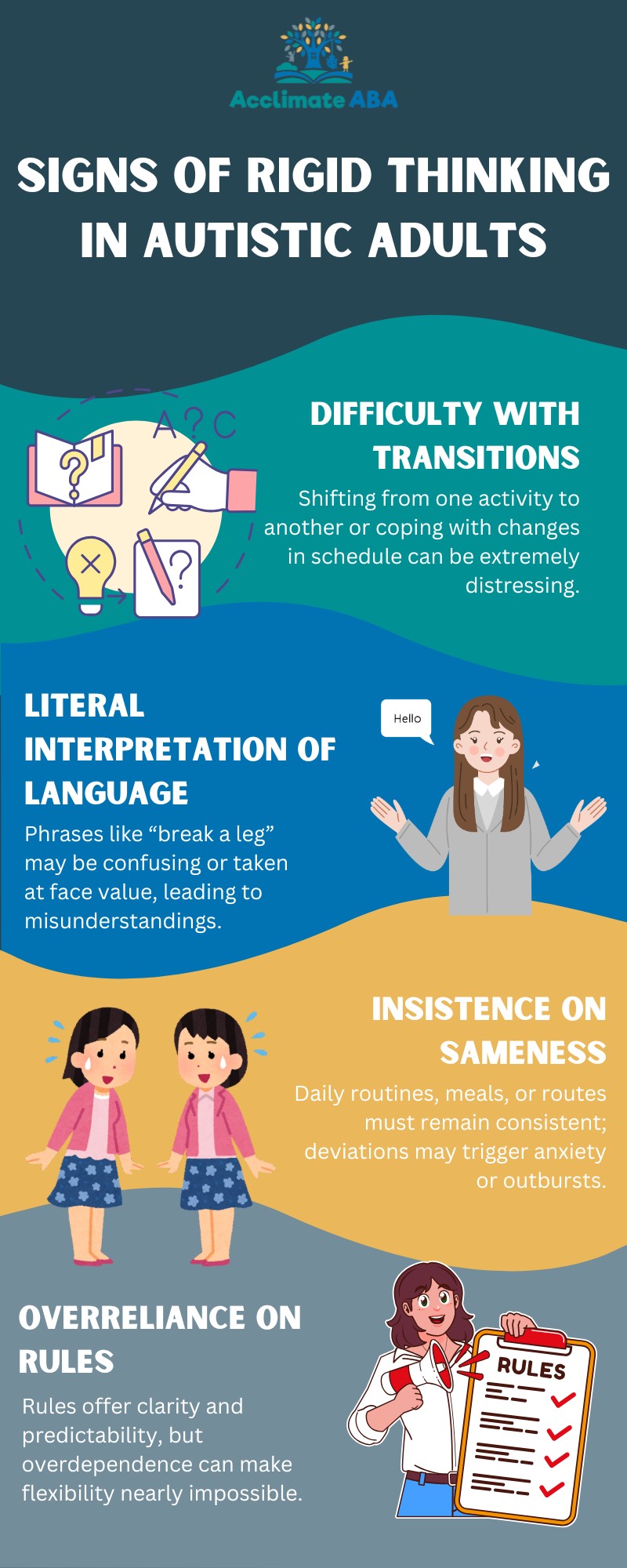
The predictability and structure inherent in many exercise regimens align with the preference for routine observed in autism. This congruence unlocks avenues for intrinsic motivation and long-term adherence. When tailored to individual needs and preferences, exercise becomes not merely a treatment adjunct but a meaningful lifestyle component that enriches identity and autonomy.

Social and Behavioral Advantages
Engagement in group exercise or sports can catalyze social engagement—a domain often fraught with challenges for people on the spectrum. Shared physical activity fosters teamwork, communication, and empathy, providing organic contexts to practice social nuances. Non-verbal cues, turn-taking, and cooperation emerge naturally, infused within the pleasure of movement and collective endeavor.
Additionally, the discipline instilled through regular exercise can prepare individuals with autism for navigating broader life complexities, instilling confidence and adaptability. Behavioral improvements are notably observed when exercise routines include goal-setting and positive reinforcement strategies, which support self-efficacy and motivation.
Barriers to Exercise and Strategies for Success
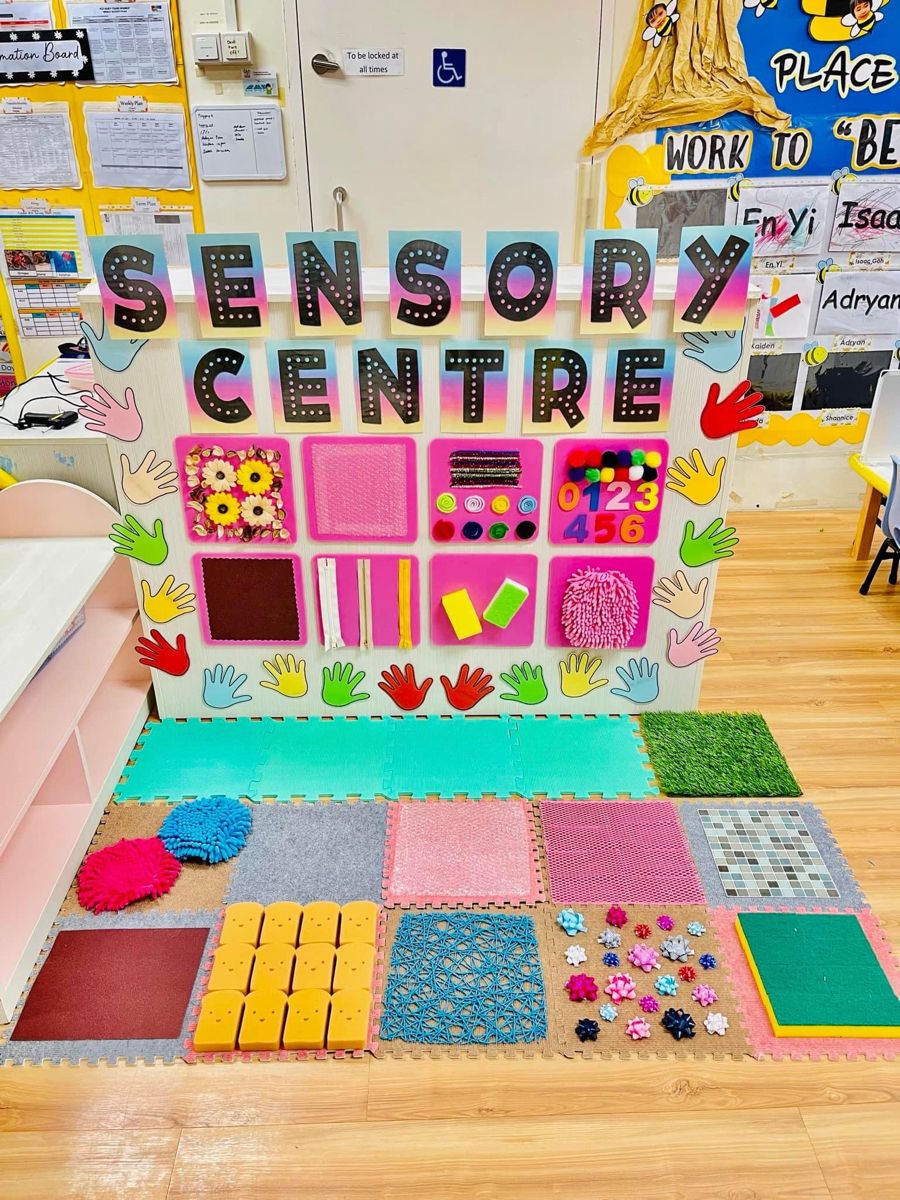
Despite the multifarious benefits, initiating and maintaining exercise regimes presents formidable obstacles. Sensory sensitivities, motor difficulties, and limited access to adapted programs compromise participation. Paradoxically, the very conditions that stand to be alleviated by physical activity can hinder its consistent practice.
To counteract these barriers, an individualized and multidisciplinary approach is paramount. Collaborative efforts among caregivers, therapists, and fitness professionals facilitate environments that accommodate sensory preferences, respect communication styles, and celebrate incremental progress. The utilization of visual schedules, preferred activities, and reinforcement systems enhances engagement and reduces anxiety about new experiences.
Looking Ahead: Exercise as a Cultural Shift for Autism Support
The conventional outlook on autism often underplays the vital role of physical activity. Advancing a narrative that situates exercise as a cornerstone for holistic autism care signals both hope and empowerment. It challenges practitioners, families, and communities to envision possibilities beyond deficit-based frameworks.
Integrating exercise not only augments therapeutic repertoires but also invigorates autonomy and joy. As research continues to illuminate the nuanced interplay between movement and neurological health, the prospect of exercise as a transformative modality beckons a future where individuals with autism thrive in integrated, vibrant, and healthful ways.
In embracing this shift, society acknowledges the intricate harmony of body and mind—that within every stride, leap, or stretch lies the potential to reshape lives and perceptions alike.