Dental care for individuals with autism spectrum disorder (ASD) often presents a unique set of challenges, largely due to sensory sensitivities and distinctive behavioral patterns. Understanding these nuances is not merely about navigating a routine check-up; it’s about appreciating the deeper intricacies that underlie an individual’s fascinations and reactions. This intersection between neurodiversity and dental hygiene requires not only patience but also an informed, empathetic approach that transforms potentially distressing experiences into manageable, even positive ones.
The Sensory Landscape of Autism in Dental Settings
One of the most common observations during dental visits for patients with autism is the heightened sensory reactivity to stimuli often encountered in the dental environment. The fluorescent lighting, the whirring of dental instruments, and even the tactile sensations of toothbrush bristles or dental tools can be overwhelming. Such stimuli may evoke visceral responses ranging from mild discomfort to outright panic.
Deeper investigation suggests that this hypersensitivity stems from neurological differences in sensory processing. Many individuals on the spectrum have a profoundly heightened awareness of tactile, auditory, and visual inputs. Consequently, the dental chair becomes more than just a physical space—it morphs into a complex sensory battleground.
Deconstructing Fascination: The Role of Routine and Predictability
Beyond sensory sensitivity, it is common to observe a deep-seated fascination among individuals with ASD for patterns, repetition, and predictability. This intrinsic attraction can be harnessed in the dental care context to alleviate anxiety. Structured routines and clear, step-by-step explanations provide a semblance of control and predictability in an otherwise unpredictable environment.
By understanding this proclivity, caregivers and dental professionals can design appointments that align with the cerebral need for repetition, reinforcing familiarity with procedures through visuals, social narratives, or rehearsals. Such intentionality transforms the dental encounter from a moment of unease to one of cognitive and emotional reassurance.
Building Sensory-Friendly Dental Environments
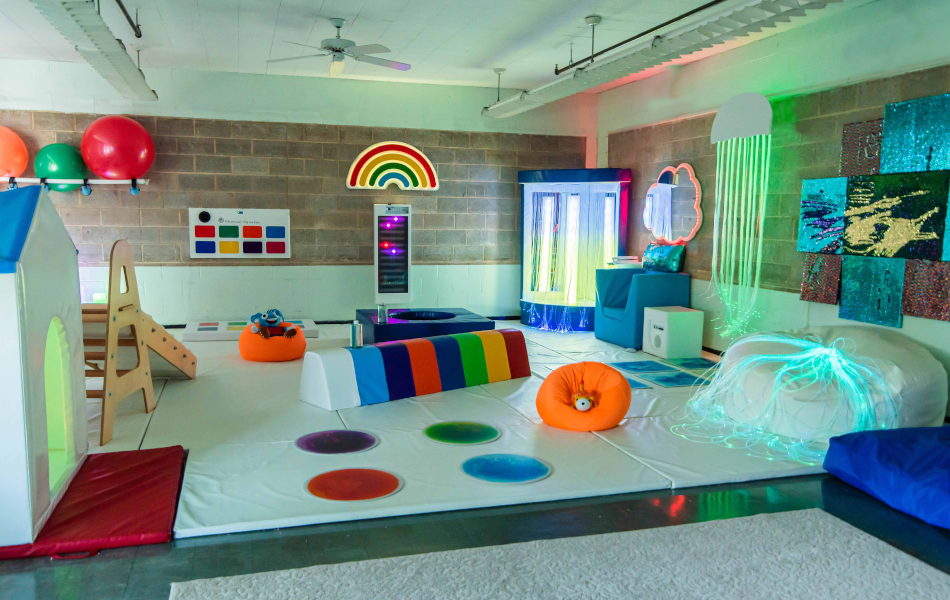
Creating a sensory-friendly dental experience involves modifying the environment to minimize distressing stimuli. This calls for thoughtful adjustments—dimmed lighting options, the use of noise-cancelling headphones, or the incorporation of calming music and weighted blankets. These elements help temper the sensory overload that is often the root of behavioral resistance.
Moreover, tactile accommodations like using softer toothbrushes, non-foaming toothpaste, or allowing breaks as needed can make oral hygiene routines more tolerable. Dental teams trained in sensory integration are pivotal in recognizing subtle cues and adapting in real time, ensuring the patient remains comfortable throughout the visit.
Communication Strategies Tailored for Autism
Effective communication is paramount. Traditional dental instructions or verbal cues may be lost or misinterpreted by a patient with autism. Consequently, visual aids, such as picture schedules or social stories, serve as invaluable tools. These aids preemptively outline what to expect, facilitating comprehension and easement of anxiety.
Clear, concise language, coupled with ample time allowances, respects the patient’s need to process information without feeling rushed. Providing choices, like selecting the order of procedures or opting for familiar objects, further empowers the individual and cultivates trust.

Preparing at Home: The Foundation of Positive Dental Experiences
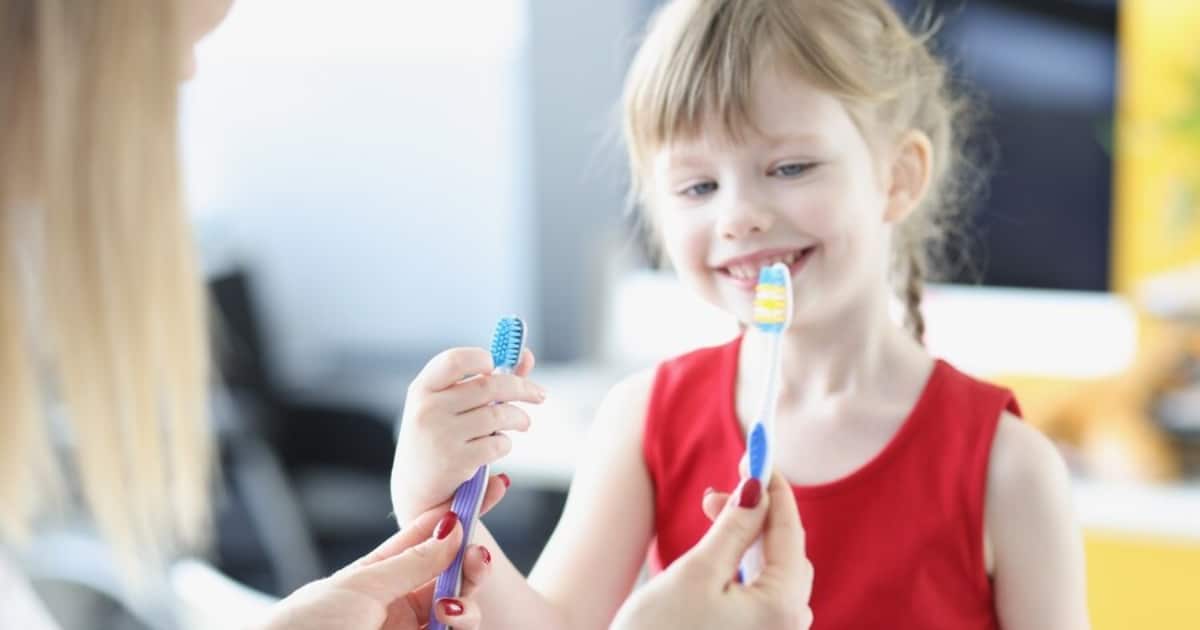
The journey toward sensory-friendly dental care begins well before sitting in the chair. Preparatory routines at home cultivate comfort with oral hygiene tools and the sensations associated with brushing and flossing. Parents and caregivers can introduce toothbrushing in a calm, playful manner, gradually increasing tolerance for tactile input.
Using familiar objects or distractions during brushing can diminish resistance. Engaging in mock dental visits at home, where the child practices opening their mouth or counting their teeth, leverages imagination in a safe space, thereby acclimating the individual to the clinical encounter’s sensory aspects.
Role of Dental Professionals: Empathy and Expertise
For dental practitioners, cultivating an understanding of ASD-specific needs is essential. Empathy paired with specialized training enables clinicians to anticipate challenges and respond adaptively. Offering extended appointment times, incorporating familiarization visits, or even conducting initial assessments in a non-clinical environment are strategies that greatly enhance cooperation.
Moreover, collaboration with caregivers to tailor interventions and accommodate individual sensory profiles promotes a comprehensive, patient-centered approach. This synergy optimizes oral health outcomes while mitigating the risk of dental fear or avoidance in the future.

Conclusion: Toward Inclusive and Compassionate Dental Care
The relationship between autism and dental care extends beyond mechanics; it is an exploration of human diversity and resilience. Recognizing the profound sensory experiences and the allure of predictability offers a pathway to more inclusive, compassionate dental practices. Through environmental adaptations, tailored communication, and thorough preparation, dental care can transcend its traditionally clinical confines and become a dignified, even empowering experience for individuals with ASD.
Advocating for sensory-friendly dental care not only improves oral health but also affirms respect for neurodiversity, setting a precedent for healthcare that honors individuality in all its complexity.