Navigating the landscape of autism support can be a transformative journey, offering not only guidance but also a profound sense of community. Autism support groups, available both online and in-person, provide invaluable resources for individuals on the spectrum, their families, and professionals. These groups serve as sanctuaries where experiences are shared, challenges are understood, and victories—no matter how small—are celebrated. Delving into the variety of support groups available unveils a spectrum of content and interaction formats that cater to diverse needs and preferences.
In-Person Autism Support Groups: Community and Connection
In-person autism support groups have long been a cornerstone for those seeking immediate, tangible human connection. These groups often convene in community centers, clinics, libraries, or specialized autism organizations. One of their fundamental strengths lies in fostering a deeply empathetic environment where participants engage face-to-face, cultivating trust and camaraderie through shared experiences.
Content in these settings typically includes:
- Structured Workshops: Facilitated by professionals, these sessions cover an array of pertinent topics—from behavioral therapies and educational tactics to legal rights and advocacy strategies. They are designed to provide tools and strategies that empower attendees.
- Peer Discussions: These open forums allow members to exchange stories, coping mechanisms, and resources. The informal nature enables raw, authentic conversations that often lead to lasting friendships and community bonds.
- Family Support Sessions: Recognizing that autism affects the entire family unit, many groups incorporate spouse, sibling, and caregiver-focused meetings, addressing their specific challenges and emotional needs.
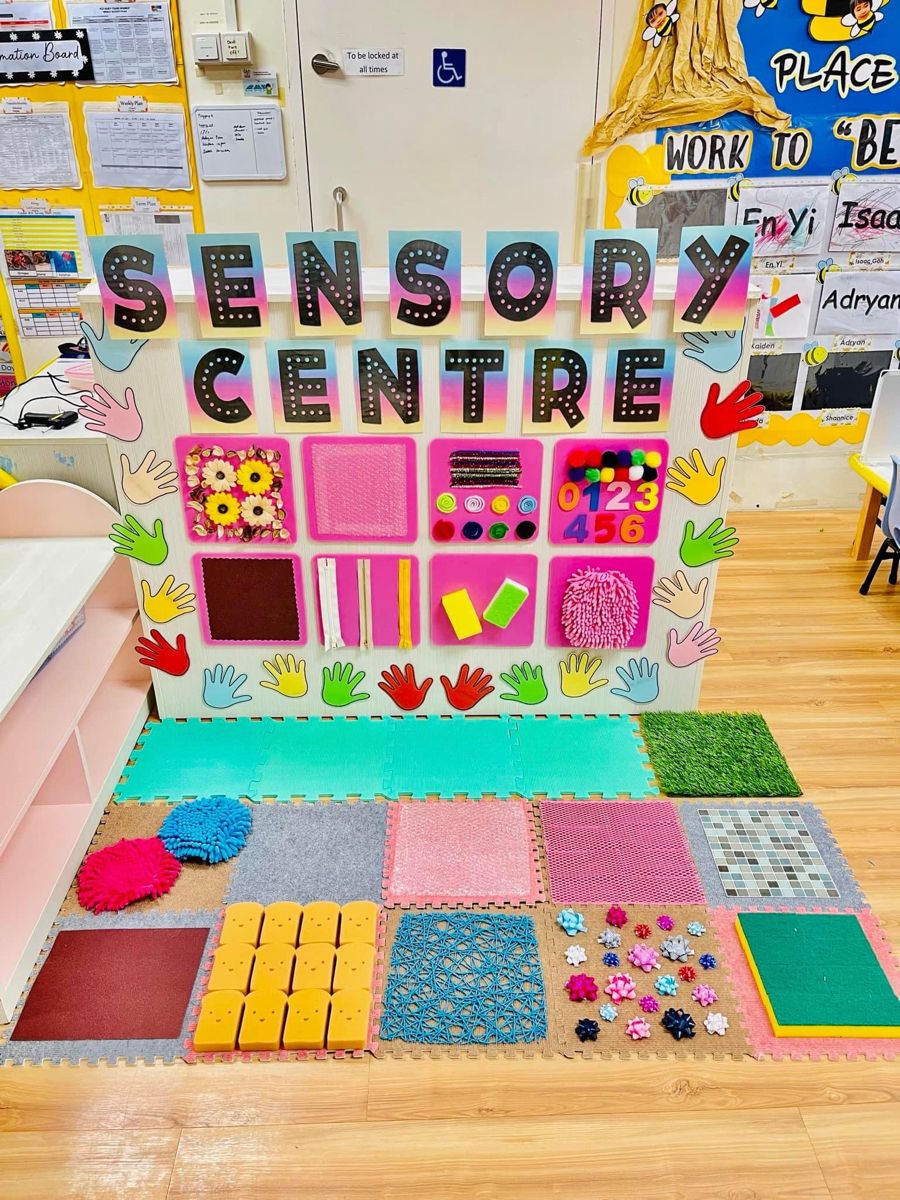
- Activity-Based Meetings: Some groups integrate art therapy, sensory play, or recreational outings within their schedules. Such activities provide both respite and developmentally appropriate social interaction for autistic individuals.

These tangible environments offer not only educational relief but also the subtle reassurance that comes from sharing space with others who understand personal journeys profoundly. The dynamics of in-person groups often lead to spontaneous support networks and mentorship relationships, integral to sustaining long-term well-being.
Online Autism Support Groups: Accessibility and Flexibility
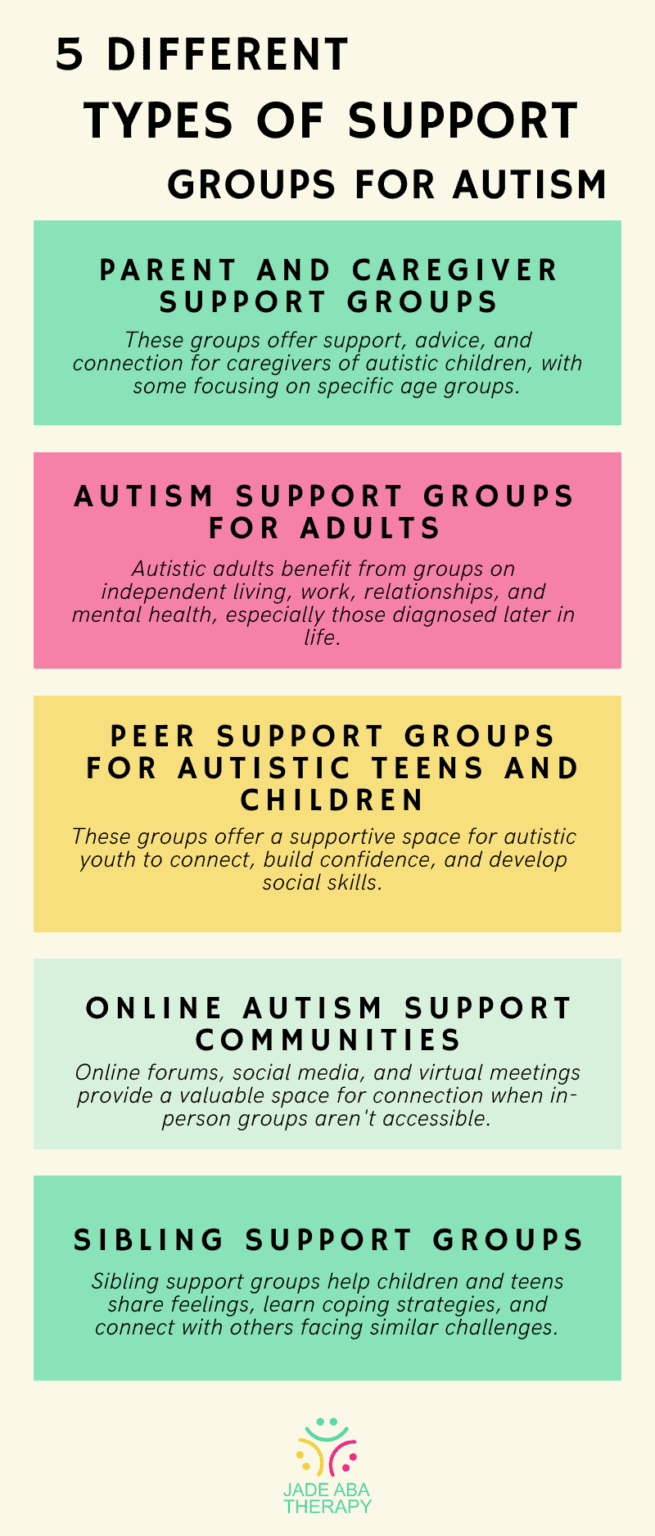
With the advent of digital platforms, online autism support groups have burgeoned, transcending geographical and temporal restrictions. These virtual communities provide an inclusive space for individuals who might otherwise face barriers to participating in in-person groups—such as mobility issues, remote locations, or social anxiety.
The content found in online spaces is often multifaceted, incorporating:
- Virtual Peer Support: Forums and chat rooms facilitate ongoing dialogues among peers, offering real-time advice and emotional succor. These platforms encourage anonymity if desired, empowering participants to share freely.
- Webinars and Expert Panels: Professionals in psychology, education, and occupational therapy often host live presentations, which include Q&A segments. These sessions are archived, creating a repository of knowledge accessible at any time.
- Resource Libraries: Many online groups curate extensive digital collections comprising articles, videos, printable guides, and checklists tailored to support various life stages and severity levels of autism.
- Social Media Integration: Platforms such as Facebook groups or Instagram communities enrich the interactive experience by enabling multimedia storytelling, event announcements, and peer-to-peer encouragement through comments and shares.
This virtual modality grants unparalleled flexibility, allowing participants to engage at their convenience while connecting with a diverse spectrum of individuals worldwide. The ability to revisit conversations and curated content ensures continual support beyond scheduled meetings.
Thematic Focuses and Specialist Groups
Both in-person and online autism support groups often specialize, tailoring their content to specific demographics or areas of interest. Understanding these niche segments is crucial for finding the right fit.
Common thematic focuses include:
- Parent and Caregiver Support: Emphasis on navigating educational systems, therapy options, and self-care strategies. This content dispels isolation by validating caregivers’ experiences and offering practical solutions.
- Adults with Autism: Groups centered around employment challenges, social skills development, and independent living tips. Discussions often encompass neurodiversity advocacy and mental health.
- LGBTQ+ and Autism: These intersections address unique identity challenges, providing a safe space for exploring gender and sexuality alongside autism-related topics.
- Gender-Specific and Peer Networks: For instance, female-specific groups acknowledge that autistic girls and women may present differently, requiring tailored support mechanisms. Peer-led initiatives encourage empowerment and shared leadership.

Such specialized groups foster nuanced discussions and resource distribution, enriching the support ecosystem with depth and sensitivity.
Key Benefits of Participating in Autism Support Groups
Engagement in either format—online or in-person—yields profound benefits that extend beyond mere information exchange. The psychosocial advantages are formidable:
- Validation and Emotional Relief: Recognizing shared experiences mitigates feelings of isolation and stigma, fostering resilience.
- Empowerment through Knowledge: Access to expert insights and collective wisdom enhances self-advocacy and informed decision-making.
- Networking and Resource Sharing: Participants often discover novel therapies, assistive technologies, and community services.
- Skill Development: Groups serve as platforms for honing communication, social, and coping skills in a supportive environment.
- Community Building: Long-lasting friendships and mentorships often emerge, creating sustaining support frameworks.
Choosing the Right Autism Support Group
Selecting the ideal support group requires reflective consideration of individual preferences and logistical parameters. Factors to weigh include:
- Accessibility: Proximity for in-person groups or platform usability for online communities.
- Group Size and Dynamics: Smaller groups may offer intimacy, whereas larger groups can provide diverse perspectives.
- Focus Area: Ensuring alignment with one’s specific needs, whether related to age, interests, or support roles.
- Facilitation Quality: Professional moderation can improve group effectiveness and safety.
- Scheduling Compatibility: Frequency and timing should accommodate personal commitments.
Taking the time to sample multiple groups and formats often leads to the most fulfilling experience, forging connections that enhance quality of life on numerous levels.
Autism support groups, whether thriving in physical meeting rooms or buzzing through virtual channels, represent vital avenues of empowerment and solidarity. They transcend the provision of mere information, opening doors to authentic, enduring relationships and specialized understanding. In a world that often misconstrues or marginalizes autism, these groups stand as beacons of hope, acceptance, and collective strength. Pursuing engagement with these communities enriches lives, nurtures growth, and affirms the invaluable worth of every individual on the spectrum.