There exists a prevailing curiosity, and often a quiet marvel, surrounding autistic voices. This intrigue is not merely the product of novelty or difference but stems from a profound, albeit sometimes unarticulated, acknowledgment of unique cognitive and emotional landscapes. Autistic perspectives challenge conventional narratives and invite a reconsideration of what it means to experience the world and communicate within it. These voices compel society to question its assumptions about neurodiversity and to appreciate alternative modes of expression and understanding.
The Significance of Differing Worldviews
At the core of the fascination with autistic voices lies a fundamental truth: perspective shapes reality. Autistic individuals often perceive and interpret stimuli in ways that diverge markedly from neurotypical norms. These perceptions are not deficits but variant epistemologies—distinct ways of knowing and making sense of the world. This divergence enriches the cultural and intellectual tapestry of society. Through the lens of autistic experience, commonplace phenomena can be reconsidered and reinterpreted, uncovering nuances and details overlooked by mainstream perspectives.
Such perceptual variations can manifest in heightened sensory awareness or atypical processing of social cues. These attributes foster novel approaches to problem-solving, creativity, and communication, demonstrating that the autistic viewpoint is not a mere alternative but a crucial complement to dominant paradigms.
The Historical Marginalization and Its Repercussions
Historically, autistic voices have been marginalized or altogether silenced. The dominant narratives were often framed by external observers, such as clinicians and caregivers, rather than by autistic individuals themselves. This external narration imposed reductive labels and restricted interpretations, reducing complex human experiences to clinical symptoms or social deficiencies.
This marginalization has had long-lasting consequences, reinforcing stigma and obscuring the authentic voices of autistic people. It cultivated a societal environment where misunderstandings proliferated and genuine engagement was scarce. Recognizing the intrinsic value of autistic perspectives is thus not only an act of inclusivity but also a critical step in rectifying historical injustices.
Communication: Beyond Words
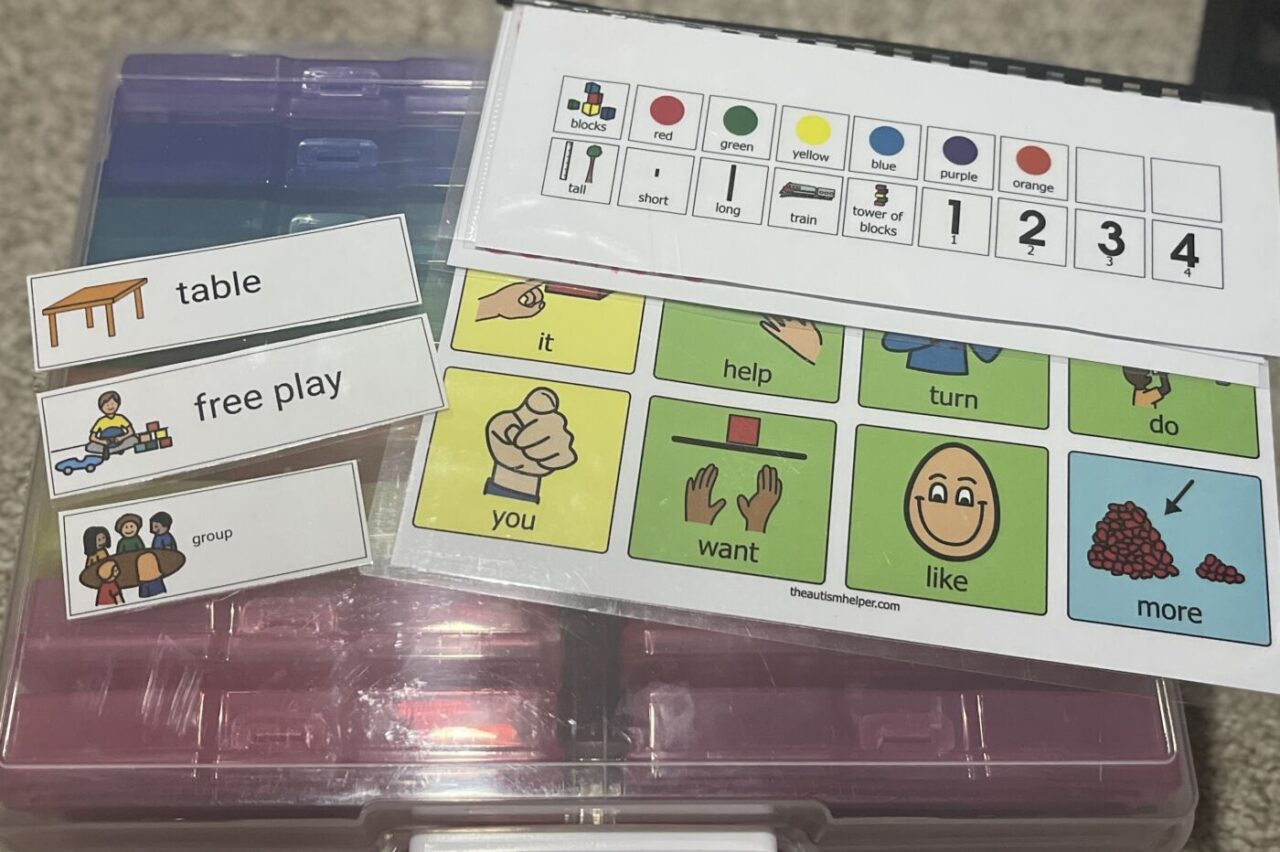
Autistic communication often defies traditional expectations of verbal and nonverbal expression. It encompasses a broad spectrum—from verbal articulation to alternative and augmentative communication systems. Listening to autistic voices necessitates an expanded understanding of what constitutes meaningful dialogue.
Appreciating this requires sensitivity to nuances—pauses, rhythms, and inflections—that may differ from neurotypical norms but carry profound significance. Moreover, the preference for written or visual modes of communication amongst some autistic people reflects an intricate relationship between thought and expression, revealing layers of insight that might otherwise remain inaccessible.

Neurodiversity as a Paradigm Shift
The burgeoning neurodiversity movement redefines autism from a pathological condition to a natural variation within the human genome. This reframing champions acceptance and celebrates difference. It situates autistic voices as integral to discussions about identity, rights, and social justice.
Neurodiversity posits that society gains immeasurably from honoring diverse neurological configurations. By validating autistic perspectives, the movement encourages environments that adapt to various cognitive needs rather than coercing conformity. This paradigm shift has practical implications—in education, employment, and policy—where a deeper appreciation of autistic perspectives can lead to more equitable and empowering outcomes.
The Unique Contributions of Autistic Voices
Autistic individuals contribute to the collective human experience in myriad ways. Their viewpoints often emphasize precision, detail-oriented analysis, and innovative thinking. These characteristics enrich scientific inquiry, artistic expression, and social discourse.
For example, the meticulous attention to patterns and systems exhibited by many autistic thinkers has propelled advancements in fields such as mathematics, technology, and music. In social contexts, autistic voices challenge prevailing dogmas surrounding interpersonal relationships and emotional intelligence, proposing alternative frameworks grounded in authenticity and logic rather than convention.
Barriers to Inclusion and How to Overcome Them
Despite growing awareness, systemic barriers persist, hindering the full amplification of autistic voices. Misconceptions, communication hurdles, and societal inflexibility often exclude autistic individuals from meaningful participation.
Creating pathways for inclusion demands intentional strategies—such as adopting universal design principles, fostering environments that celebrate diverse communicative styles, and equipping educators and employers with nuanced understanding. It requires a dismantling of prejudices and an earnest commitment to listen, not just to speak on behalf of autistic communities, but to create platforms where they can authentically advocate for themselves.
The Broader Societal Implications
Embracing autistic voices has a ripple effect beyond individual acknowledgment. It cultivates empathy and broadens societal capacities for diversity. When the paradigms of normalcy are expanded, society as a whole becomes more adaptable, creative, and compassionate.
This inclusivity fosters innovation, as diverse perspectives fuel novel ideas and approaches. It propels social justice by dismantling exclusionary practices and promotes mental well-being by affirming the dignity of all individuals, irrespective of neurological difference.
Ultimately, the fascination with autistic voices is a reflection of an evolving cultural consciousness—one that increasingly values multiplicity of thought and the expansion of human understanding. Listening to and elevating these voices does not merely enrich autistic individuals or communities; it enriches the entirety of human discourse and existence.