There exists a profound and often wondrous dynamic between autistic children and the toys that captivate their attention. One might notice a particular magnetism towards sensory-rich objects that almost seem to resonate with the individual’s inner world. This phenomenon transcends mere amusement, hinting at a deeper neurological tapestry where sensory integration and cognitive engagement coalesce. The toys that hold sway are more than mere distractions or playthings; they are pivotal tools in fostering developmental milestones, nurturing curiosity, and providing solace in the form of predictable sensory input. Exploring the best toys for autistic children reveals not only the diversity of their needs but also the subtle art of designing experiences that stimulate, educate, and comfort simultaneously.
Sensory Stimulation: The Gateway to Exploration
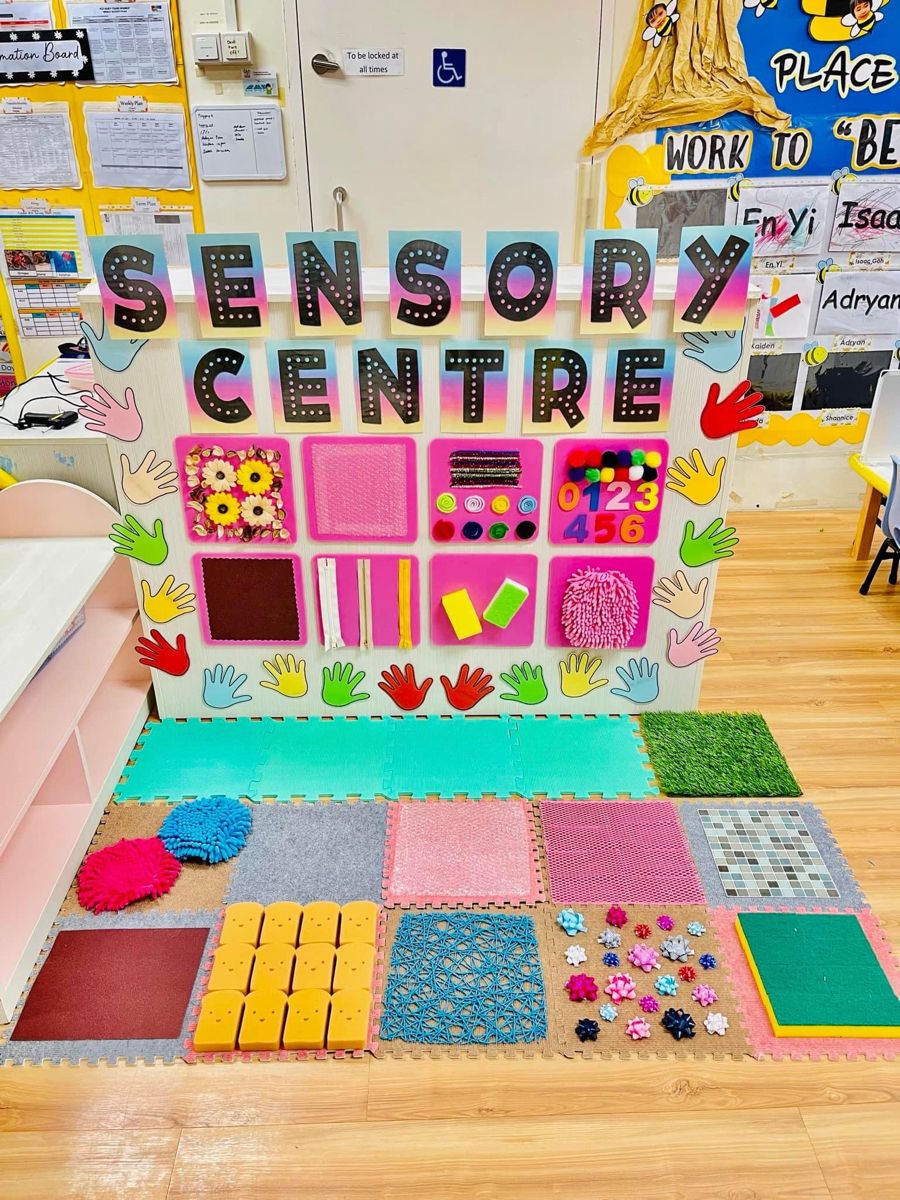
The predilection for sensory toys among autistic children is well-documented. These toys serve as conduits for sensory regulation, offering tactile, auditory, or visual input that can soothe overstimulation or provide the precise sensory engagement a child craves. Sensory stepping stones or mats, for instance, engage tactile perception and proprioception, encouraging movement and balance in a manner that is both playful and therapeutic. The textures and varied surfaces invite exploration, subtly reinforcing motor skills and spatial awareness.

Such toys often integrate multiple senses, allowing the child to engage through touch, sight, and even sound. This multidimensional approach not only captivates attention but also stimulates neural pathways crucial for sensory integration. The juxtaposition of smooth, rough, soft, and hard materials provides an immersive sensory experience that goes beyond simple play—it’s a form of self-regulation.
Educational Tools That Embrace Neurodiversity
Educational toys for autistic children are uniquely designed to leverage the strengths and accommodate the challenges intrinsic to neurodiversity. These toys often prioritize clarity, consistency, and predictability, attributes that align with the preferences of many autistic individuals. Stacking toys, for example, are deceptively simple in form but profoundly effective. They foster fine motor development, spatial reasoning, and problem-solving, all while providing a sense of mastery and achievement.

Beyond their educational merits, these toys often act as social icebreakers or communication bridges, enabling children to express preferences, initiate interactions, and build confidence. The structured nature of these toys offers a framework within which creativity and exploration can flourish, allowing for both guided learning and unstructured discovery.
Calming and Focused Engagement Through Sensory Toys
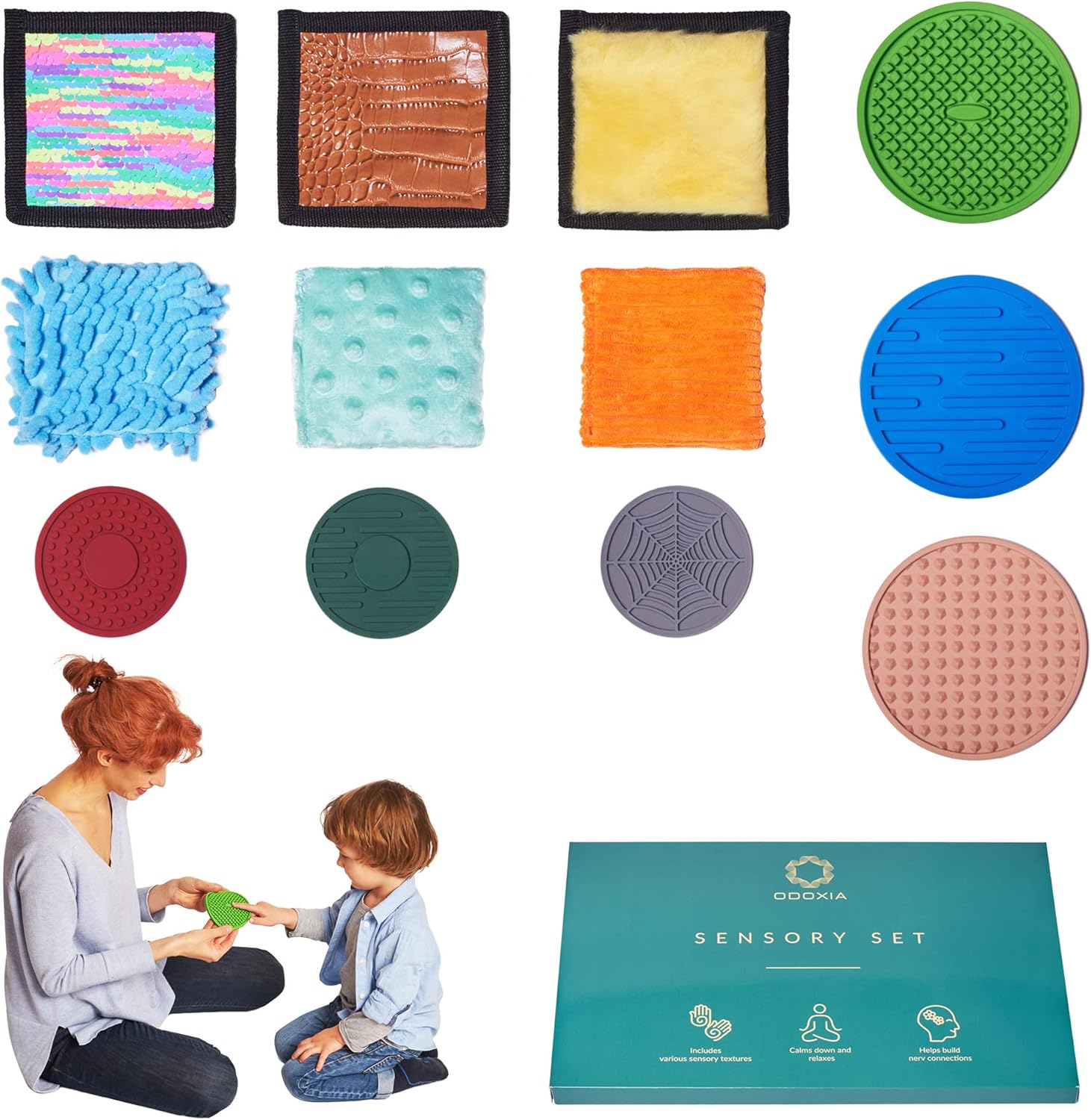
Another common observation is the calming effect that sensory toys exert on many autistic children. Items such as fidget toys, textured balls, or weighted lap pads provide proprioceptive input that can alleviate anxiety and improve concentration. This regulatory function is indispensable in environments that may otherwise be overwhelming.

These calming tools create a sanctuary within the chaos, allowing children to self-soothe and maintain engagement with their surroundings. The repetitive motions and tactile feedback often found in such toys help anchor the child’s attention and mitigate sensory overload, facilitating longer periods of play and learning.
The Intersection of Play and Therapy
It is essential to recognize that for many autistic children, play is not merely recreational but also therapeutic. The strategic use of toys designed with sensory and educational intent can support occupational therapy goals, speech development, and social skills acquisition. The appeal of these toys frequently lies in their ability to marry function and joy, underpinning therapeutic progress with authentic engagement.
Therapists and caregivers frequently employ tailored toy selections to reinforce cognitive and motor milestones. The adaptability of sensory toys — offering variable intensities of stimulation or modes of interaction — makes them invaluable in customized treatment plans. The compelling nature of these toys often encourages repeated use, which is key to consistent developmental progress.
Understanding Individual Preferences and Needs
While trends and commonalities exist, it is imperative to approach each child’s toy selection with an appreciation for individual sensory profiles and interests. The neurodiverse spectrum encompasses a wide constellation of preferences, sensitivities, and abilities. What captivates one child may not engage another. Consequently, a thoughtful, iterative process that involves observation and listening to the child is crucial.
In addition to sensory and educational aspects, factors such as safety, durability, and ease of cleaning play a vital role. Toys should invite interaction without posing hazards or frustration, enabling the child to explore freely and confidently. Parents and educators must remain attuned to these details, ensuring that each choice supports both engagement and wellbeing.
Conclusion: The Nuanced Role of Toys in Development
The relationship between autistic children and their toys is intricate, nuanced, and layered with significance. Effective toys function as more than mere diversions; they become essential tools in a child’s developmental journey, supporting sensory integration, cognitive growth, emotional regulation, and communication. Through sensory stepping stones, stacking sets, and specialized educational materials, these toys embrace the unique neurological wiring of each child, celebrating their individuality while fostering growth.
In nurturing environments where the right toys meet the right needs, autistic children can explore their world with confidence and joy. The careful curation of sensory and educational toys paves a path for enhanced learning and well-being, transforming playtime into an empowering experience.