Imagine navigating a labyrinth illuminated by gentle flickers of hope—each pathway promising breakthroughs that sculpt brighter horizons for individuals with autism. Autism Spectrum Disorder (ASD) is a complex constellation of neurodevelopmental variations, where every person carries a unique mosaic of strengths and challenges. The quest for effective therapies resembles an intricate dance between science, empathy, and innovation, continuously evolving to better the quality of life for those touched by autism. This narrative explores the most effective, evidence-based approaches to autism therapies, unraveling the tapestry of interventions that blend rigor with compassion.
Decoding the Spectrum: The Need for Tailored Interventions
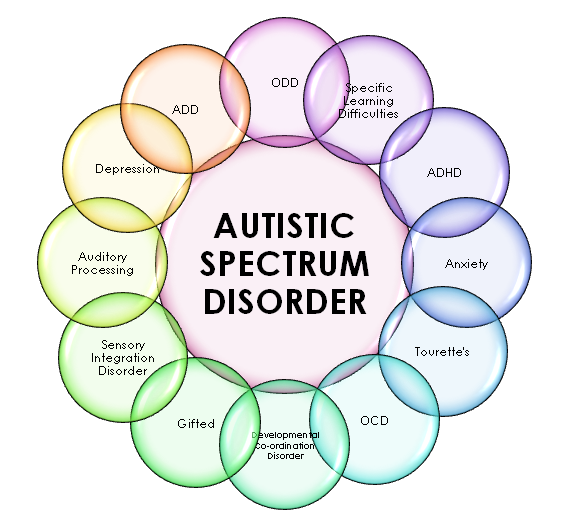
Autism is not a monolithic condition but rather an expansive spectrum, each individual’s experience as distinct as a fingerprint. Therefore, therapeutic approaches must be highly personalized, weaving clinical insights with the individual’s sensory preferences, communication styles, and cognitive capacities. This personalized alliance between therapist and recipient forms the cornerstone of transformative progress.

Applied Behavior Analysis (ABA): The Luminary of Behavioral Therapy
ABA is often heralded as the north star in autism treatment, characterized by its data-driven methodology and nuanced understanding of behavior. The therapy hinges on the principles of behaviorism—modifying observable behavior through positive reinforcement and systematic instruction. It meticulously dissects complex tasks into bite-sized, attainable goals, fostering skills ranging from communication to social interactions.
One of the unique appeals of ABA lies in its adaptability; it morphs with growing evidence and the evolving needs of the individual. This dynamic process empowers caregivers and educators alike, enshrining consistency and measurable outcomes that fuel motivation and mastery.
Developmental, Individual Difference, Relationship-Based Model (DIR/Floortime): Embracing the Inner Child
Diverging from rigid behavioral molding, DIR/Floortime immerses itself in the emotional currents flowing between child and therapist or caregiver. It champions the premise that connection and relationships are the primordial catalysts for developmental leaps.
Through unscripted play and emotionally resonant interaction, DIR/Floortime nurtures social-emotional growth and symbolic thinking. This approach’s unique eloquence is its respect for the child’s innate rhythm, gently coaxing the neural symphony towards synchronization rather than imposing mechanistic changes.
Speech and Language Therapy: Unlocking the Prism of Communication
The ability to communicate effectively acts as a keystone for personal expression, education, and social integration. Speech and language therapy serves as a beacon for individuals on the autism spectrum struggling with expressive and receptive communication challenges.
Speech-language pathologists employ tailored strategies, including augmentative and alternative communication (AAC) tools, to bridge gaps between thought and utterance. This therapeutic realm’s unique appeal resides in its facilitation of self-advocacy, enabling a voice where silence once prevailed.

Occupational Therapy: Harmonizing Daily Life and Sensory Processing
Occupational therapy (OT) is akin to a skilled artisan fine-tuning the delicate mechanisms that allow individuals with autism to thrive in everyday environments. OT addresses sensory integration issues, motor skills, and adaptive behaviors, crafting bespoke interventions that ease the sensory overload often experienced by those on the spectrum.
The unique dimension of OT lies in its holistic embrace—facilitating independence in self-care, play, and school tasks—thus constructing bridges between therapeutic gains and authentic, everyday experiences.
Medical and Nutritional Interventions: Augmenting the Therapeutic Landscape
While not therapies in the conventional sense, medical and nutritional approaches often dovetail with behavioral treatments to optimize overall functioning. Emerging research highlights the importance of addressing gut health, sleep disorders, and co-morbid conditions which may exacerbate ASD symptoms.
Strategically incorporating evidence-based dietary modifications and medical management underscores a comprehensive philosophy, recognizing that the biochemical substrate intimately influences neurodevelopmental outcomes.
The Role of Family and Caregiver Involvement: The Unsung Architects of Progress
Therapeutic breakthroughs are most profound when knowledge, consistency, and emotional support flow seamlessly from clinical settings into homes—where every interaction can be a teaching moment. Empowering families with training, resources, and emotional scaffolding enhances the durability of therapeutic effects and enriches relational dynamics.
The family’s role transcends passive participation; it becomes an active dance partner in fostering autonomy, resilience, and hope.
Conclusion: A Tapestry Woven with Science and Soul
The landscape of autism therapies is a rich mosaic where empirical evidence converges with humanistic understanding. Whether it’s the structured clarity of Applied Behavior Analysis, the emotionally attuned rhythms of DIR/Floortime, or the indispensable support from speech, occupational, and medical interventions, each thread contributes to a vibrant narrative of possibility.
In this ever-evolving journey, the most effective autism therapies are not merely treatments but bridges—linking potential to achievement, challenges to triumphs, and isolation to connection. As research advances and compassionate innovation endures, these approaches collectively illuminate pathways toward a fuller, richer experience of life for those on the spectrum and their communities.