Weddings are often envisioned as grand, jubilant occasions filled with a whirlwind of emotions, bustling conversations, and vibrant sensory experiences. For neurodivergent individuals, particularly those on the autism spectrum, these sensory-rich environments can quickly become overwhelming. Sensory-friendly wedding planning emerges as an essential practice, inviting consideration and creativity to ensure that everyone, regardless of sensory sensitivities, can partake in the celebration with comfort and joy.
Understanding Sensory Sensitivities in Autism
Sensory processing differences characterize autism, manifesting uniquely in each individual. Some may find certain sounds, lighting, or tactile sensations overstimulating, while others might seek specific sensory inputs. Recognizing these divergent sensory needs is fundamental to crafting a wedding experience that is not only inclusive but also respectful of these nuances. By embracing the concept of sensory-friendly environments, couples and planners can mitigate anxiety, reduce overstimulation, and create a nurturing atmosphere for all attendees.
Selecting the Ideal Venue: Space and Sensory Considerations
The venue sets the tone for the entire wedding day and plays a pivotal role in sensory accommodation. Opting for a location that offers flexible lighting options is crucial—natural light or warm, dimmable bulbs often prove less intrusive than harsh fluorescents. Moreover, spacious areas help prevent crowding and noise buildup, permitting calming zones away from main festivities. Outdoor venues or those with multiple rooms can be advantageous, providing quiet retreats to regroup and decompress.

Curating the Guest Experience: Invitations and Communication
Informing guests about the sensory-friendly nature of the event allows for greater empathy and preparedness. Invitations can include brief notes about expected sensory elements, encouraging guests to bring comfort aids such as noise-canceling headphones or fidget tools. Additionally, offering a wedding itinerary can help create predictable structure, which is often soothing for autistic individuals. Wherever possible, direct communication channels should be established to accommodate questions and clarify accommodations.
Designing the Ambiance: Lighting, Sound, and Décor
Ambiance directly influences sensory comfort. Flickering candles, strobe lights, or sudden loud noises often exacerbate sensory overload. Alternatives such as soft LED lighting, gentle string lights, and soundscapes with neutral tones foster tranquility. When planning music and speeches, consider the volume and duration—not all auditory stimuli need to be amplified. Décor choices should avoid highly textured or visually chaotic patterns that might provoke sensory discomfort. Instead, serene color palettes and minimalistic accents can create an aesthetically pleasing yet calming environment.
Menu Planning: Sensory-Friendly Culinary Options
The sensory experience extends into the culinary realm. Taste, texture, and even food presentation greatly impact those with sensory processing differences. Offering a variety of dishes that accommodate different preferences—from mild flavors to foods with varied textures—ensures inclusivity at the dining table. Clear labeling of ingredients is essential, enabling guests to avoid potentially overwhelming or distressing foods. Furthermore, providing a quiet, separate dining space can help individuals who may struggle with sensory stimuli in bustling banquet halls.
Incorporating Sensory Supports and Quiet Zones
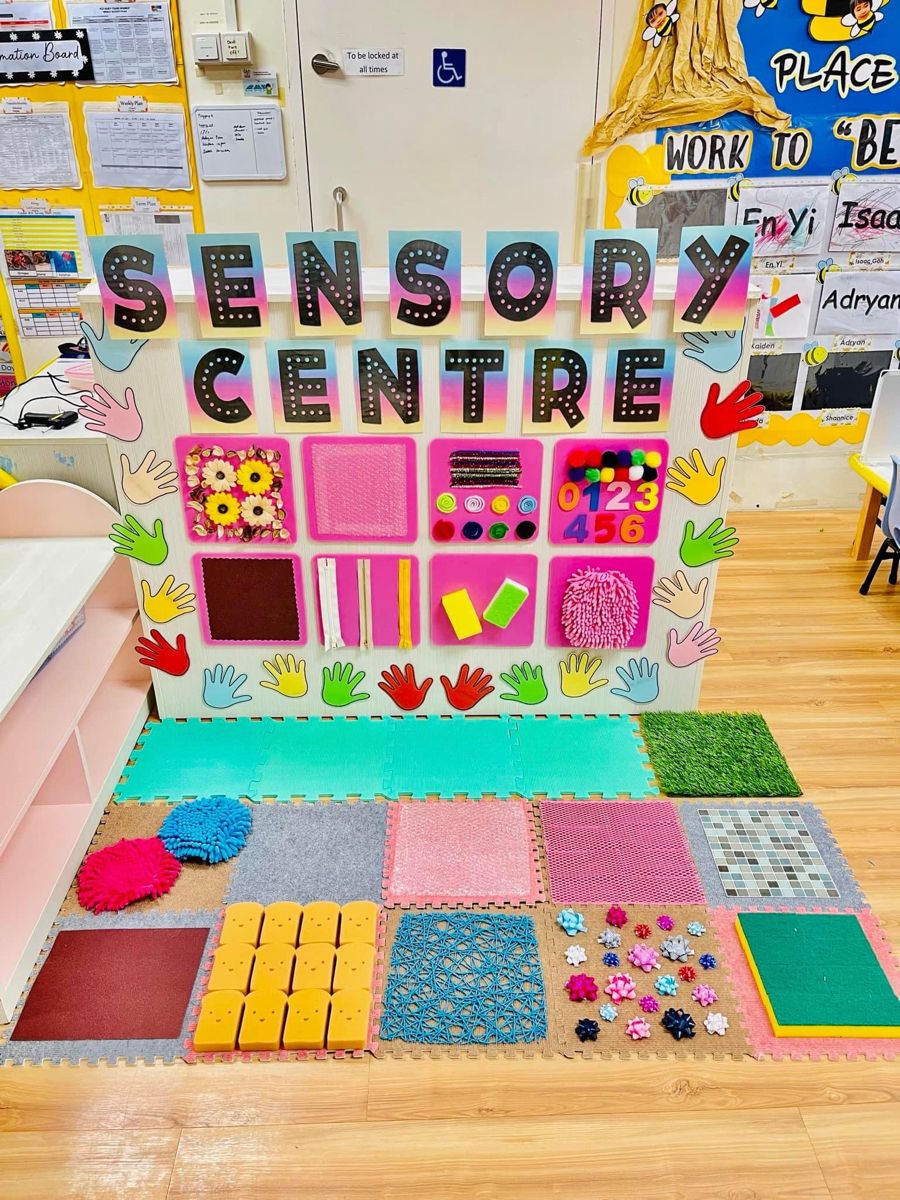
One of the most effective strategies in sensory-friendly wedding planning is the establishment of designated quiet zones. These areas offer respite from the sensory intensity of the main event, equipped with comfortable seating, noise reduction materials, and calming sensory aids such as weighted blankets or fidget toys. Additionally, sensory supports—items like earplugs, sunglasses, or sensory bins—can be made available to all guests. Training staff members to recognize when guests may need a break and to offer discreet assistance enhances the overall supportive environment.
Adaptive Ceremony and Reception Planning
Flexibility in ceremony structure and timing can accommodate fluctuating sensory needs. Shortening the duration of the ceremony, incorporating breaks, or allowing for alternative participation methods (such as viewing the ceremony via a live stream in a quiet room) can greatly reduce stress. At the reception, offering varied seating arrangements—from lively tables to more secluded spots—provides choice and comfort. Incorporating non-traditional elements, such as interactive sensory activities, may also engage attendees in ways that honor neurodiverse experiences.
Creating an Inclusive Atmosphere through Education
Educating attendees about autism and sensory processing fosters an atmosphere of understanding and patience. Including brief educational components in the wedding program or through subtle signage encourages guests to respect sensory boundaries. This proactive awareness helps normalize diverse responses to sensory input, cultivating empathy and communal support throughout the festivities. Such education ensures the celebration remains joyous and inclusive for everyone.
Planning a sensory-friendly wedding for individuals on the autism spectrum is an intricate yet deeply rewarding endeavor. It necessitates thoughtful attention to sensory environments, communication, and inclusivity at every stage. By embracing adaptive approaches—from venue selection and ambiance to guest communication and support systems—couples can craft a wedding day that resonates with harmony and respect for all sensory experiences. This mindful celebration not only honors love but exemplifies compassion, ensuring the day remains memorable and heartfelt for every participant.