Engaging children and adolescents with autism in sports presents a nuanced challenge that transcends the traditional paradigms of athletic participation. The premise “Autism and Sports: Finding the Right Fit” invites a deep reconsideration of how inclusive physical activities can be tailored to resonate with the unique neurological and sensory profiles of individuals on the spectrum. More than just physical exercise, sports can be a conduit for self-expression, social integration, and enhanced cognitive function. However, the path to discovering the optimal sporting environment is often labyrinthine, demanding empathy, patience, and innovative approaches. This exploration reveals how carefully chosen activities can unlock latent potential and foster profound fulfillment.
The Complex Interplay Between Autism and Physical Activity
Autism Spectrum Disorder (ASD) encompasses a vast continuum of neurodevelopmental variations that affect communication, social interaction, sensory processing, and repetitive behaviors. These distinctive traits invariably influence how children engage with physical activity. Contrary to conventional wisdom that might emphasize strenuous competition or high-intensity team sports, embracing the idiosyncrasies of each individual on the spectrum is paramount. Some may find solace and satisfaction in structured routines and predictable environments, while others thrive in more spontaneous and imaginative play.
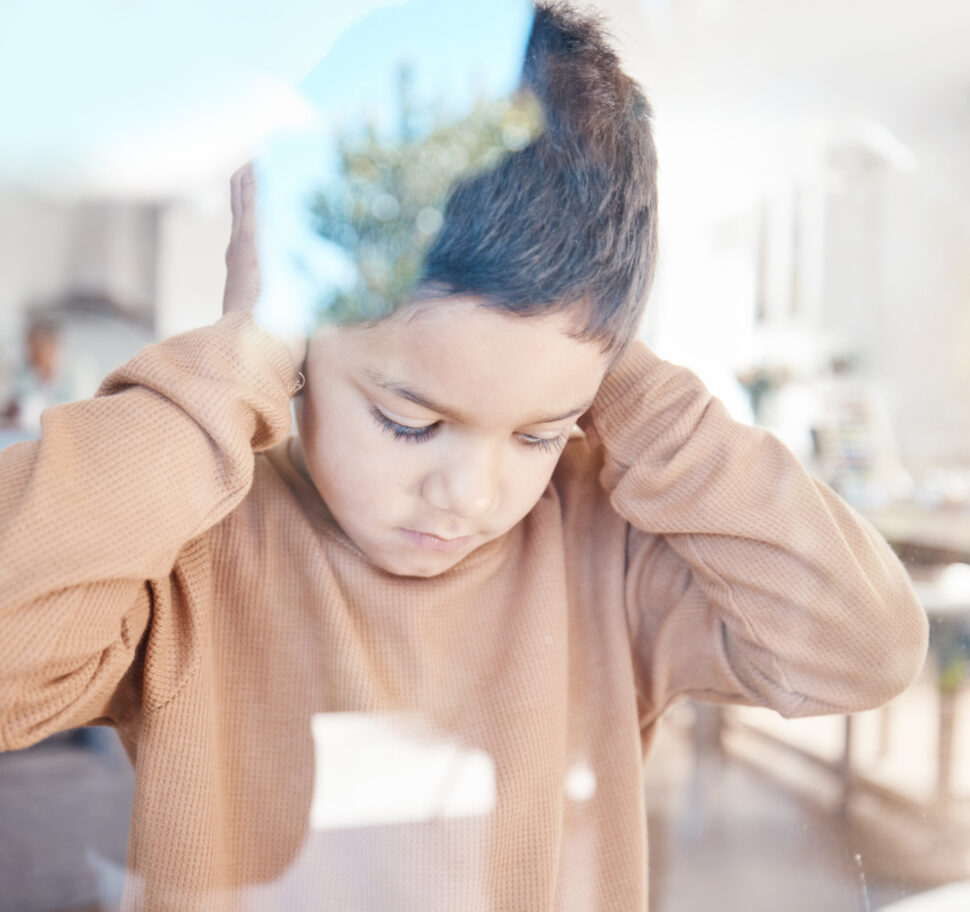
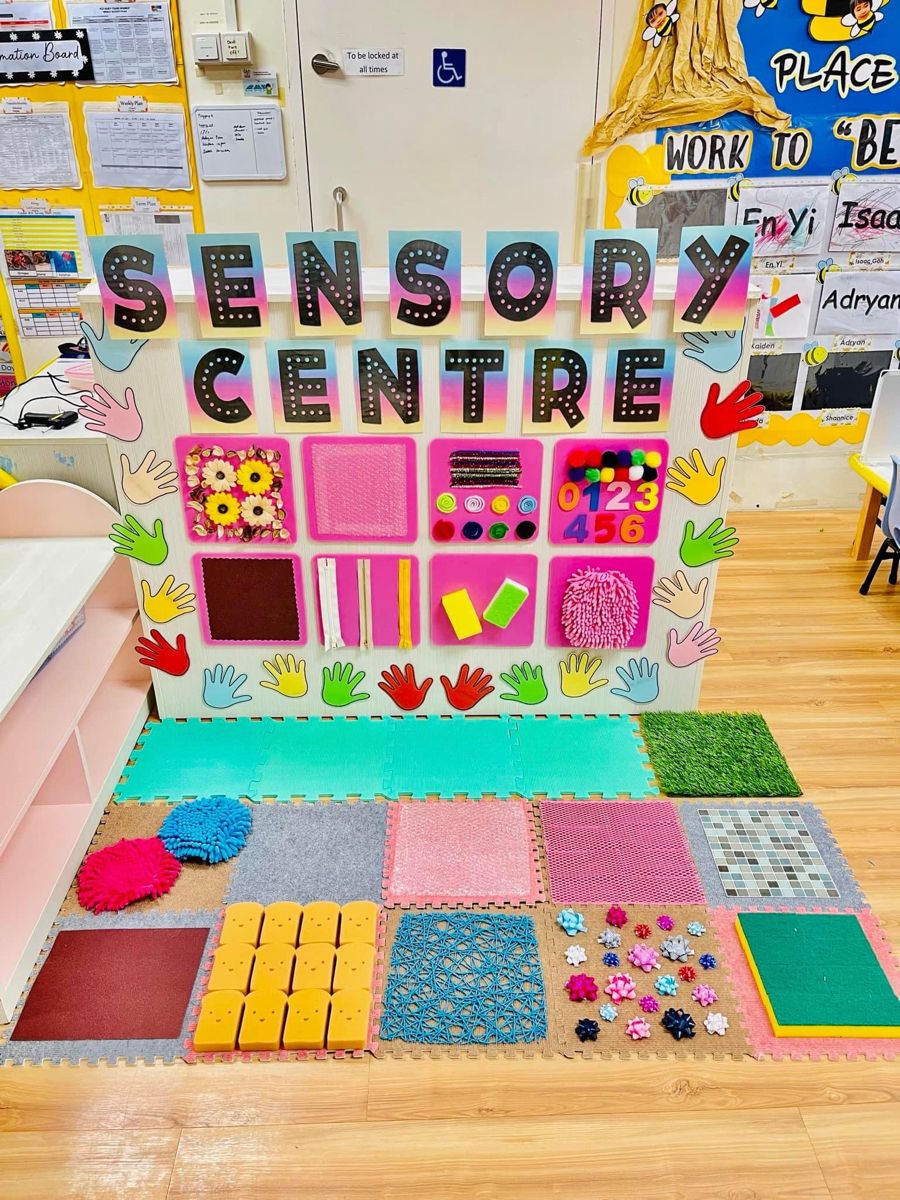
Importantly, sensory sensitivities—for example, hypersensitivity to noise, touch, or visual stimuli—should not be seen as mere obstacles but as essential considerations that can transform the sporting experience from overwhelming to empowering. Consequently, the quest for the right fit is not simply about choosing a sport; it is about aligning the physical, psychological, and social dimensions to create a harmonious and engaging experience.
Unpacking the Benefits: More Than Muscle and Movement
While physical health benefits are often the most immediately apparent, the rewards of sports involvement for autistic individuals are far more multifaceted. Engagement in suitably adapted sports has been linked to improved motor skills, enhanced coordination, and increased stamina. Yet, beyond biomechanics, sports promote vital social skills such as turn-taking, understanding nonverbal cues, and cooperative problem-solving.
Cognitively, participation can bolster executive functioning, aiding in planning, attention, and flexibility—areas frequently challenging for those with ASD. Emotionally, the sense of achievement and belonging fostered through sports can elevate self-esteem and reduce anxiety, promoting mental health resilience. Clearly, selecting the right sport can unlock a treasure trove of developmental gains.
Personalized Approaches: Navigating the Spectrum of Activities
Given the heterogeneity within autism, personalized evaluation is the linchpin of success. Individual interests, sensory preferences, motor capabilities, and social comfort zones must be meticulously assessed. For instance, solitary or low-sensory-demand activities like swimming, track, or martial arts may appeal to those desiring a calm, rhythmic environment. These sports provide predictable patterns and can offer a meditative quality that enhances focus and reduces sensory overload.
Conversely, some children with ASD flourish in dynamic, interactive settings such as basketball or soccer, where teamwork can foster social connection, albeit in a supportive and structured framework. The challenge lies in modulating the environment—adjusting noise levels, enforcing consistent routines, and preparing for transitions—to mitigate anxiety triggers. Adaptive sports programs and specialized coaching can make all the difference, providing tailored support and fostering incremental progression at an individual’s pace.

Cultivating Inclusivity: Beyond the Playing Field
True inclusivity demands more than just physical accommodations; it necessitates a cultural shift within the sporting community. Coaches, parents, peers, and organizations must become educated advocates, fostering empathy and dismantling outdated stigmas. Cultivating a nurturing environment where diversity in abilities is celebrated rather than merely tolerated enhances not only the athlete’s experience but enriches the entire team dynamic.
Implementing sensory-friendly adjustments—such as quiet zones, reduced crowd noise, and flexible scheduling—reflects a commitment to accessibility. Moreover, embedding autism awareness into training curricula equips stakeholders with practical strategies to communicate effectively and respond compassionately. Such initiatives elevate sports from mere recreation to a vehicle for societal transformation.
Technology and Innovation: Expanding Horizons
Emerging technologies are reshaping the landscape of sports participation for autistic individuals. Virtual reality (VR) and augmented reality (AR) platforms offer controlled, immersive environments where participants can practice skills without real-world stressors. These tools enable repeated exposure to scenarios—whether it be teamwork drills or sensory acclimatization—within a safe space.
Wearable devices and biofeedback mechanisms further enhance personalized coaching by providing real-time data on physiological responses, enabling adjustments to prevent sensory overload and burnout. Such innovations epitomize how interdisciplinary ingenuity synergizes with therapeutic intent to craft bespoke experiences that transcend traditional boundaries.
Navigating Challenges: Patience and Perseverance
The pursuit of the right fit invariably encounters obstacles. Behavioral unpredictability, fluctuating motivation, or initial resistance often test the resolve of all involved. Recognizing that progress may be incremental and non-linear is crucial. Encouraging experimentation with different sports and approaches, coupled with open communication among caregivers, therapists, and coaches, paves the way for breakthrough moments.
Perseverance fosters resilience, while attuned observation helps identify subtle shifts that signal readiness for advancement or adaptation. The journey is as vital as the destination; celebrating small victories nourishes confidence and nurtures a lifelong appreciation of physical activity.
Conclusion: Embracing a Holistic Vision of Development
Finding the right fit in sports for children and adolescents with autism transcends mere participation. It embodies a holistic vision that honors individuality, encourages growth, and bridges the gap between challenges and opportunities. It invites stakeholders to cast aside one-size-fits-all notions and embrace strategies informed by sensitivity, innovation, and inclusivity.
In doing so, sports metamorphose from an arena of competition to a realm of connection and self-discovery. The profound ripple effects resonate beyond the playing field, enriching lives and redefining what it means to truly belong. The quest for alignment between autism and sport is, ultimately, a journey toward unlocking human potential in its most authentic form.