

Workplaces embody more than just a physical space—they reflect societal values and cultural progress. In recent years, a transformative wave has swept through numerous organizations, signaling a promising shift toward autism-friendly environments. This evolution transcends tokenism, weaving genuine inclusivity into the very fabric of corporate ethos. Journey with us as we delve into ten organizations that are not merely accommodating autistic employees but championing their unique talents and perspectives. These trailblazers foster atmospheres where difference is not just accepted but sought after, setting new paradigms for workplaces worldwide.
Redefining Inclusion: Beyond Accessibility
The term “autism-friendly” carries profound implications. It is no longer about mere physical accessibility or compliance with minimal standards. Instead, it encapsulates a holistic approach, addressing sensory sensitivities, communication challenges, and social intricacies faced by autistic individuals. Workplaces adopting this ethos rethink conventional workplace design, management styles, and interpersonal dynamics. The result? Environments that catalyze productivity, creativity, and employee well-being, forging a symbiotic relationship between employer and workforce.
1. Tech Innovators Embracing Neurodiversity
Some leading technology firms have recognized that innovation thrives on diversity of thought, including neurodiversity. By implementing tailored recruitment processes, such as interview alternatives focused on practical assessments rather than traditional questioning, they dismantle barriers that often exclude autistic candidates. Furthermore, customized onboarding and mentoring programs optimize adjustment periods, fostering confidence and long-term retention.
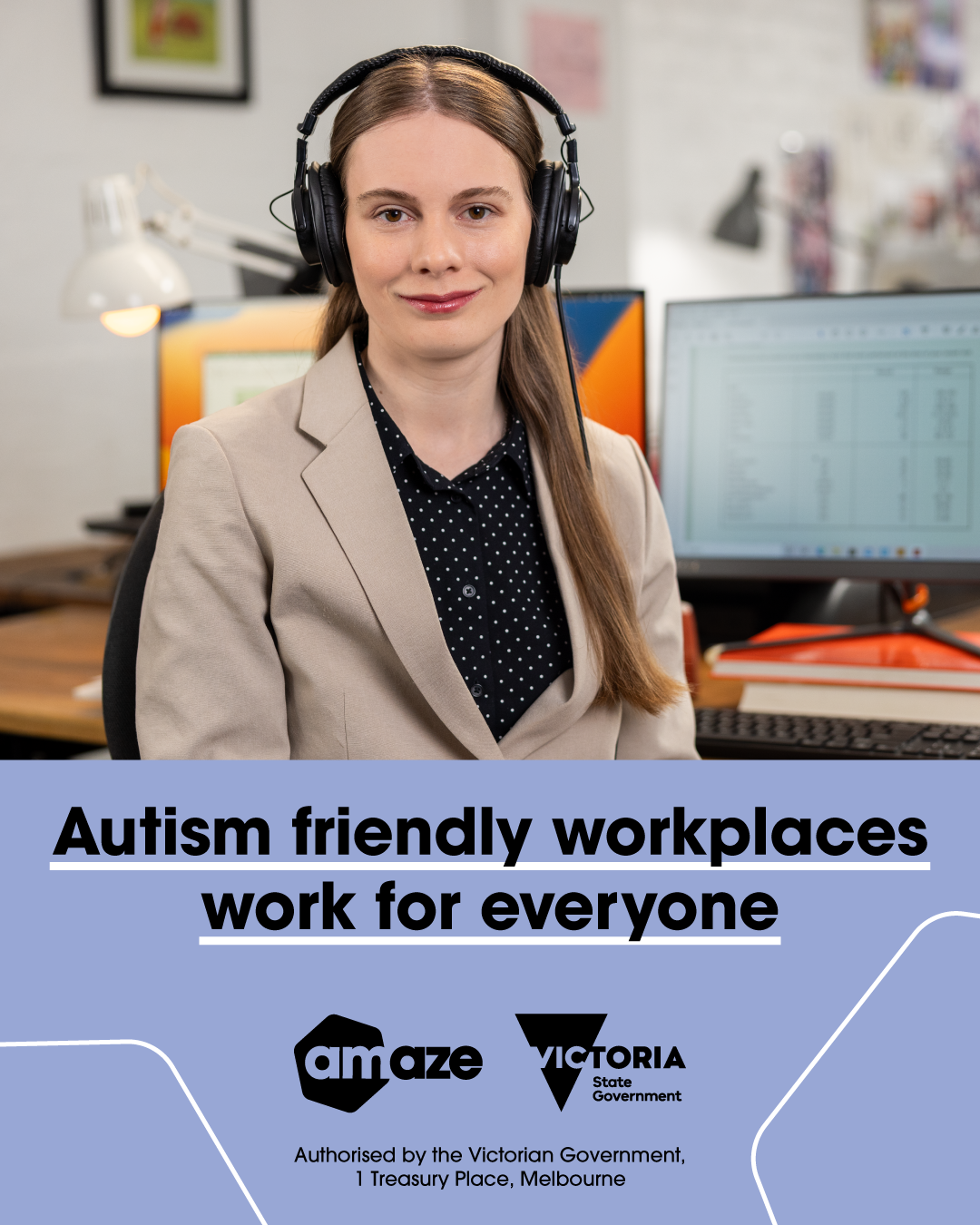
2. Financial Institutions: Building Empathy at the Core
Financial organizations, once perceived as rigid and conventional, are pioneering inclusive cultures that prioritize empathy and flexibility. Recognizing the strengths of autistic employees—such as pattern recognition and attention to detail—they adapt workflows and communication channels. Quiet workspaces, flexible scheduling, and the option to minimize social stimuli highlight their commitment to nuanced support mechanisms.
3. Government Initiatives Championing Change
Several government bodies have embraced autism-friendly frameworks, understanding that public sector inclusivity ripples outward. These initiatives include awareness campaigns, training for managers, and equitable hiring practices. By setting an example, they promote wider adoption across industries, underscoring the societal imperative for neurodiverse representation in all sectors.
4. Creative Agencies Harnessing Unique Perspectives
Within the realm of creative industries, autism-friendly workplaces challenge the stereotype of uniformity in ideation. Agencies leverage diverse cognitive approaches, encouraging employees to propose unconventional solutions free from bias. Sensory adjustments—like controllable lighting and noise-canceling technologies—are commonplace, creating nurturing spaces that fuel artistic brilliance and innovation.
5. Manufacturing and Engineering: Precision Meets Accommodation
Autistic employees often exhibit exemplary attention to detail and consistency, assets essential in manufacturing and engineering sectors. Employers in these fields have revamped job structures to capitalize on these strengths, offering repetitive, focused tasks with minimal sensory distractions. Additionally, written instructions supplement verbal communication, improving clarity and performance.
6. Educational Institutions as Vanguard Models
Schools and universities themselves are becoming bastions of autism-friendly practices, not only for students but for their staff members. These institutions integrate assistive technologies and flexible work arrangements, recognizing that supporting neurodiverse employees enhances educational outcomes. Collaborative policies promote shared understanding among colleagues, fostering inclusive academic communities.
7. Healthcare Providers Advocating for Neurodiverse Empathy
Healthcare environments can paradoxically be overwhelming. Leading providers are transforming these spaces by training teams in autism awareness, modifying sensory elements, and structuring predictable routines. Such modifications not only benefit autistic employees but also improve patient care, demonstrating the broad impact of autism-friendly policies.
8. Retail and Hospitality: Tailoring Customer and Employee Experience
In retail and hospitality sectors, accommodating autistic employees involves tailoring both customer engagement and workplace atmosphere. Innovative scheduling practices, quiet zones during breaks, and detailed explicit instructions support workforce stability. These companies set a precedent by highlighting the commercial and ethical advantages of neurodiversity.
9. Nonprofit Organizations Driving Advocacy and Action
Nonprofits centered around autism and disability rights lead by example, embedding accessibility into their organizational DNA. Their workplaces often feature open dialogue forums, peer support systems, and adaptive technology, fostering environments where employees feel valued and heard. Their frontline advocacy work resonates internally, bolstering morale and mission-driven commitment.
10. Startups: Agility and Adaptability in Action
Emerging startups, unencumbered by legacy practices, often adopt autism-friendly policies as standard operational protocol. Their agility facilitates rapid implementation of accommodations such as remote work, personalized task management, and mental health supports. These environments demonstrate how flexibility and innovation converge to create thriving, inclusive workplaces.

Conclusion: Pioneering a Neurodiverse Future
The advent of autism-friendly workplaces marks a pivotal cultural transformation. It challenges antiquated notions of productivity and conformity, advocating for environments where varied cognitive styles are embraced as strategic assets. These ten exemplars reveal the profound benefits of investing in neurodiversity—fueling innovation, enhancing employee satisfaction, and cultivating resilient, forward-thinking organizations. As more employers heed this call, the horizon gleams with the promise of workplaces that celebrate every mind’s distinctive brilliance.












