Have you ever wondered what it takes to teach a child, especially one on the autism spectrum, to ride a bicycle? At first glance, this might seem like a straightforward endeavor — a skill most children naturally acquire through a blend of curiosity and practice. Yet, for an autistic child, this seemingly simple milestone can transform into a complex journey filled with unique challenges and moments of triumph. The synthesis of sensory sensitivities, motor coordination differences, and communication nuances makes this adventure both demanding and deeply rewarding.
Understanding the Unique Challenges
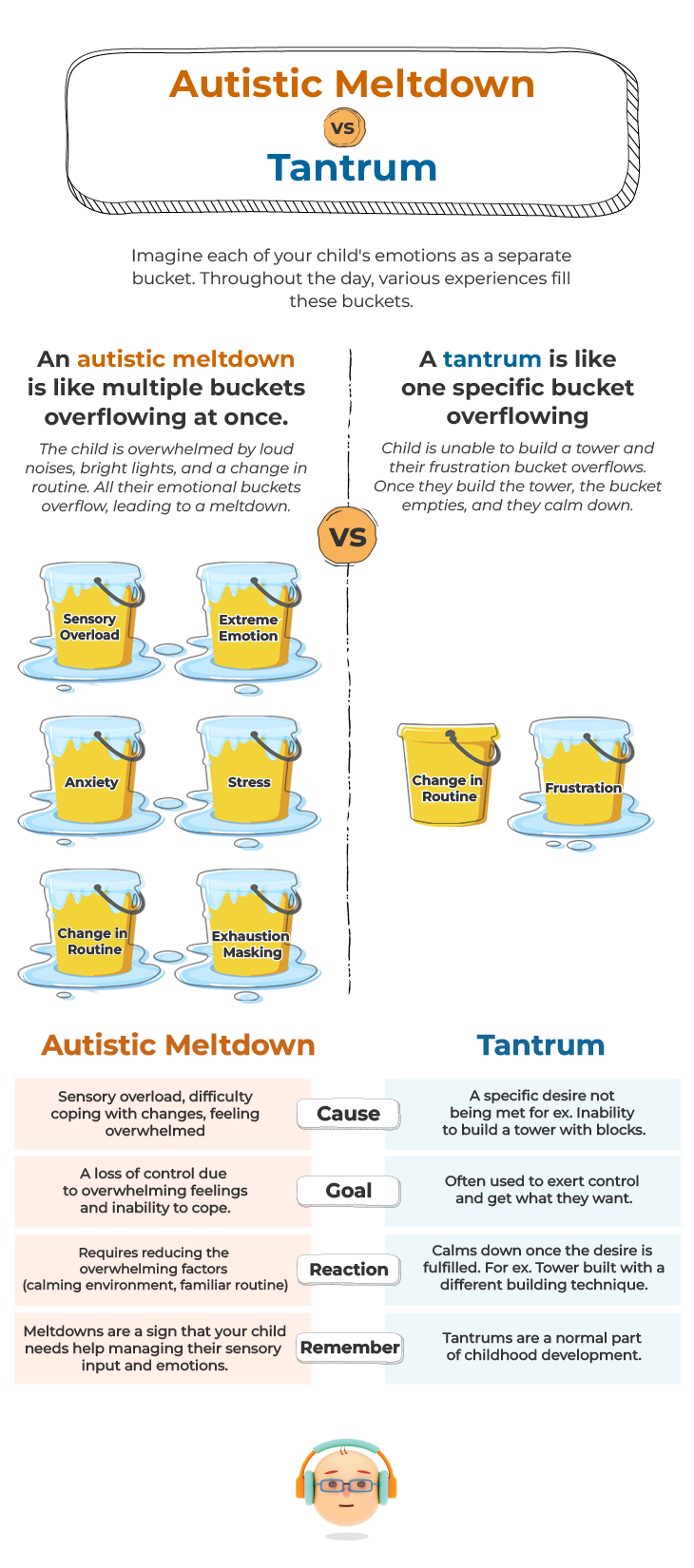
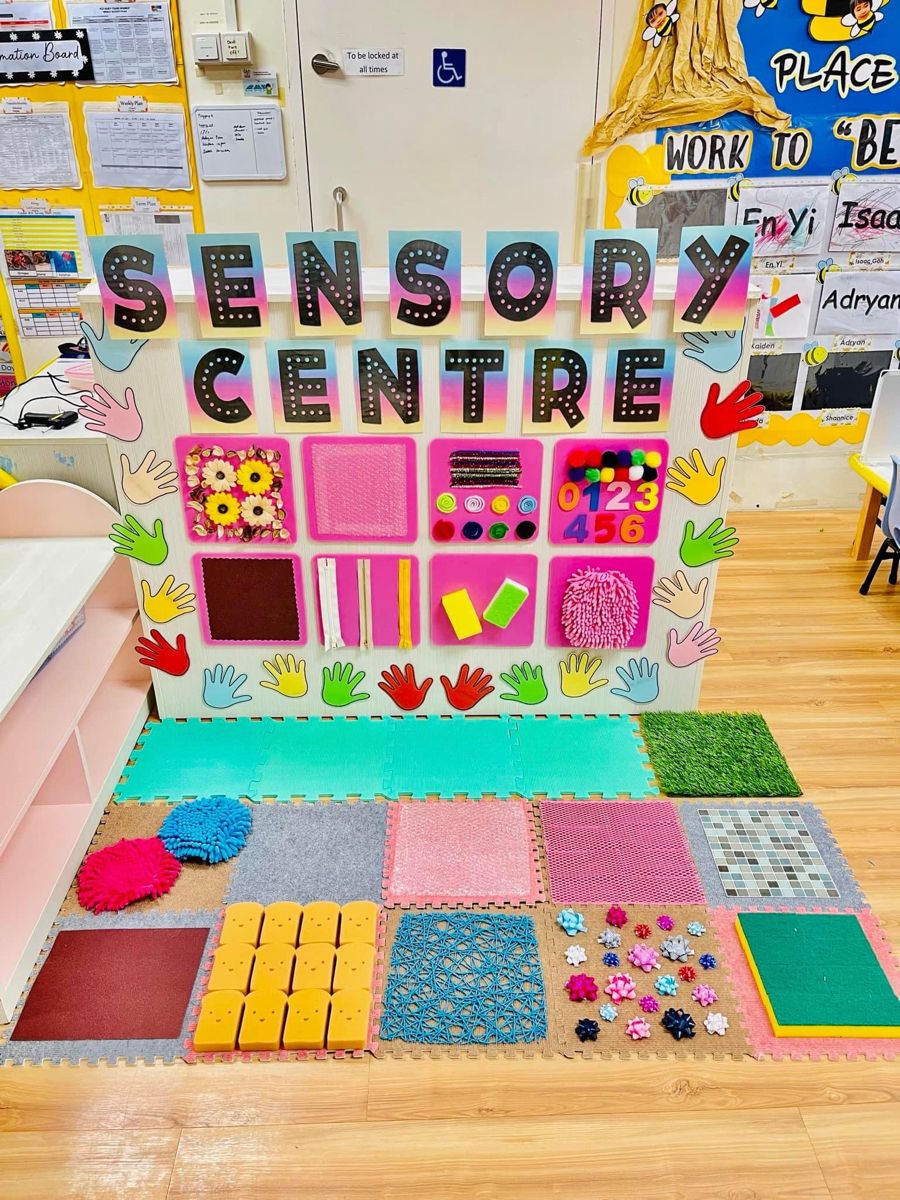
Before embarking on the path to bicycle riding, it is essential to grasp the distinct obstacles an autistic child might face. Many children on the spectrum experience heightened sensory sensitivities, making the cacophony of outdoor environments overwhelming. The noise of moving traffic, the feel of the handlebars, or the touch of clothing against the skin can provoke discomfort or anxiety.
Additionally, fine and gross motor skills often develop atypically in autistic children. The coordination required to balance, pedal, and steer simultaneously might seem elusive without targeted support. Cognitive processing differences may also impact the child’s ability to follow sequential instructions or anticipate the movements of the bicycle.
Recognizing these challenges not only prepares caregivers but also fosters empathy and patience, indispensable companions on this journey.
Creating a Sensory-Friendly Environment
One fundamental step in teaching an autistic child to ride a bike involves curating an environment that minimizes sensory overload. Quiet, familiar spaces such as a backyard or a secluded park with minimal foot traffic and noise are ideal. This empowers the child to focus on the mechanics of riding without the added stress of distractions.
Moreover, consider the tactile components — the seat and handlebars may require modifications like cushioned grips or soft seat covers to reduce discomfort. Loose or restrictive clothing should be avoided to prevent sensory irritation. These thoughtful adjustments can make the experience more inviting and less intimidating.

Choosing the Right Bicycle and Equipment
Equipment selection plays a pivotal role in facilitating success. Balance bikes, which omit pedals and focus solely on balance, often serve as an excellent starting point. They allow the child to develop equilibrium intuitively, building confidence without the complexity of pedaling.
Helmet selection should not be overlooked. Many autistic children are sensitive to tactile stimuli, so choosing lightweight helmets with soft padding and adjustable straps is imperative. In some cases, allowing the child to personalize their helmet or bike with stickers and decorations can transform the equipment into a source of pride and motivation.
Implementing a Patient and Playful Approach
Teaching a child — especially one on the autism spectrum — requires an approach steeped in patience and a sense of playfulness. Rigid instruction often breeds frustration, while play invites engagement.
Incorporate games or challenges that incentivize practice. For example, set up a gentle obstacle course or a scavenger hunt that encourages pedaling from one point to another. Celebrate small victories with enthusiastic praise or rewarded pauses, ensuring the child remains encouraged without feeling pressured.
Repetition is vital, but so is variety, which prevents monotony and sustains attention. Interactive storytelling that involves imagining a bike ride through adventurous landscapes can captivate a child’s interest uniquely and meaningfully.
Breaking Down the Skill into Manageable Steps
The intricate task of riding a bike can be fractured into discrete, manageable components. This systematic segmentation helps reduce overwhelm and allows incremental mastery.
- Balancing: Begin with stationary balance exercises, like sitting on the bike while it’s propped or using a balance bike to glide on foot.
- Steering: Practice gentle turns and handling, perhaps by tracing shapes on the ground or circling cones.
- Pedaling: Introduce pedaling motions gradually, sometimes even off the bike, mimicking the action while seated.
- Starting and Stopping: Teach how to push off and brake, ensuring each functional movement is practiced fully.
This breakdown not only reduces cognitive load but also allows the sequence to be tailored to the child’s pace and comfort level.

Utilizing Visual Supports and Communication Tools
Many autistic children respond well to visual aids, which complement verbal instructions and enhance comprehension. Picture schedules illustrating the sequence of movements can serve as effective reminders throughout the learning process.
Video modeling is another powerful tool — watching demonstrations of children riding bikes enables observational learning and sets clear expectations. Additionally, social stories can be crafted to describe the experience, potential challenges, and the feelings associated with riding a bike.
These aids bridge communication gaps, making the abstract concept of cycling more tangible and accessible.
Involving Family and Community for Consistency
Consistency across environments is crucial for reinforcing new skills. Encouraging family members to participate not only provides additional encouragement but also ensures a unified approach. Shared vocabulary and techniques help solidify learning.
Community programs or specialized support groups may offer tailored bike-riding sessions. Such inclusive spaces encourage social interaction and provide expert guidance, enriching the child’s experience and fostering a sense of belonging.
Knowing When to Seek Professional Support
Sometimes, the assistance of occupational therapists or physical therapists is invaluable. These professionals possess specialized knowledge in motor skills development and sensory integration, employing targeted interventions to address specific difficulties.
Collaborating with experts can provide personalized strategies, easing challenges and accelerating progress. It also instills confidence in caregivers, ensuring the child’s journey is supported comprehensively.
Teaching an autistic child to ride a bike is far more than imparting a skill. It is a profound narrative of patience, adaptability, and celebration of milestones both big and small. Through understanding individual challenges, creating accommodating environments, and fostering playful engagement, caregivers can transform this endeavor from a daunting task into a joyful adventure.
As the child learns to glide with balance and freedom, they not only acquire a physical skill but also navigate the broader world with increased independence and confidence. This journey, intricate yet rewarding, ultimately lights a pathway toward endless exploration and growth.