Art, in its myriad forms, serves as an unspoken language—a prism through which the soul’s hues are refracted into tangible expression. For individuals navigating the intricate landscape of autism, this prism often reveals an extraordinary spectrum of creativity and emotional depth. Autism and art intertwine to create a sanctuary where conventional barriers dissolve, providing fertile ground for self-discovery and communication beyond words. This exploration delves into the profound synergy between autism and creative expression, unveiling how art becomes both a mirror and a beacon for those on the spectrum.
Art as a Sanctuary: The Transformative Power of Creative Expression
Imagine the mind as a vast, enigmatic garden—sometimes tangled with dense brambles of misunderstanding and unmet needs. For many autistic individuals, art becomes the gardener’s tool, patiently nurturing blossoms where words falter. Within this sanctuary, creativity acts as a silent dialogue, allowing inner worlds to emerge in shapes, colors, and textures reminiscent of vivid dreams laid bare on canvas.
Unlike traditional communication, which may be hindered by sensory processing differences or social reciprocity challenges, artistic expression bypasses these barriers. It offers a haven where intuition and imagination converge, enabling individuals to externalize their unique perceptions and emotions. This act of creation isn’t merely decorative; it holds the power to validate identity, foster autonomy, and imbue a sense of accomplishment.

Neurodiversity Revealed: The Unique Aesthetic Appeal in Autism
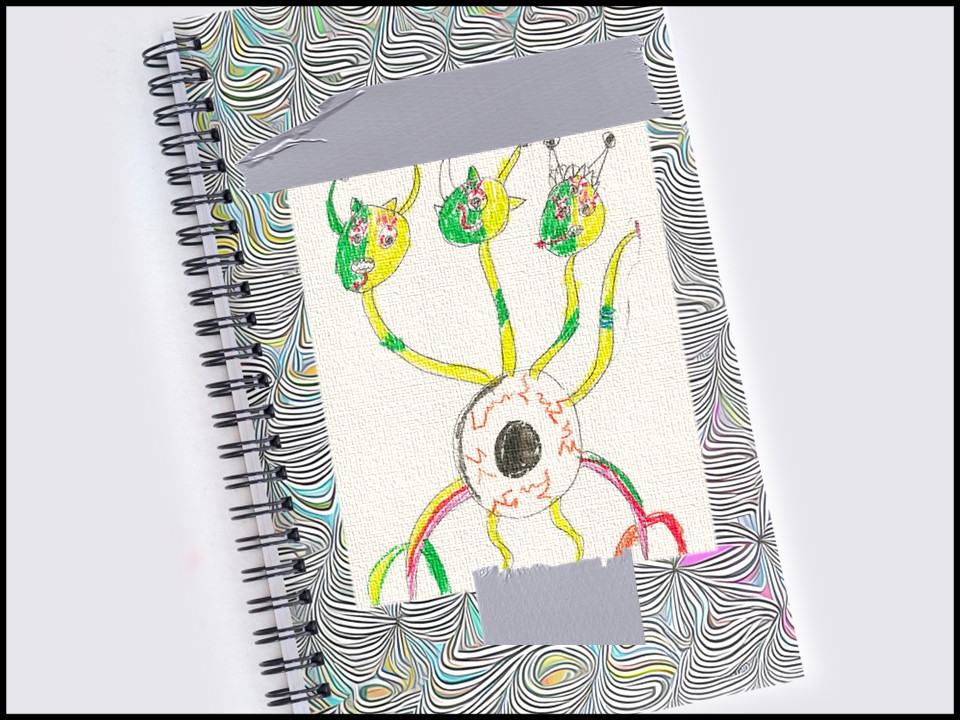
The artistry of autistic creators often reveals a compelling divergence from conventional aesthetic norms. This divergence is not a deficiency but a distinctive lens—a kaleidoscope refracting the world through unique sensory and cognitive modalities. Autistic art frequently showcases intricate patterns, vivid colors, hyper-focused details, and evocative symbolism that captivate with their authenticity and complexity.
Such works challenge preconceptions and invite observers into an alternative sensory experience. This aesthetic appeal is not only striking but also profoundly human, reminding us of creativity’s boundless forms. Herein lies art’s transformative mission: to celebrate difference rather than conformity, and to elevate unique perspectives from the periphery to the forefront of cultural appreciation.
Facilitating Artistic Exploration: Strategies to Encourage Expression
Encouraging artistic expression in autistic individuals requires sensitivity, patience, and adaptability. Facilitators—whether educators, therapists, or family members—must cultivate environments that honor sensory preferences and individual pacing.
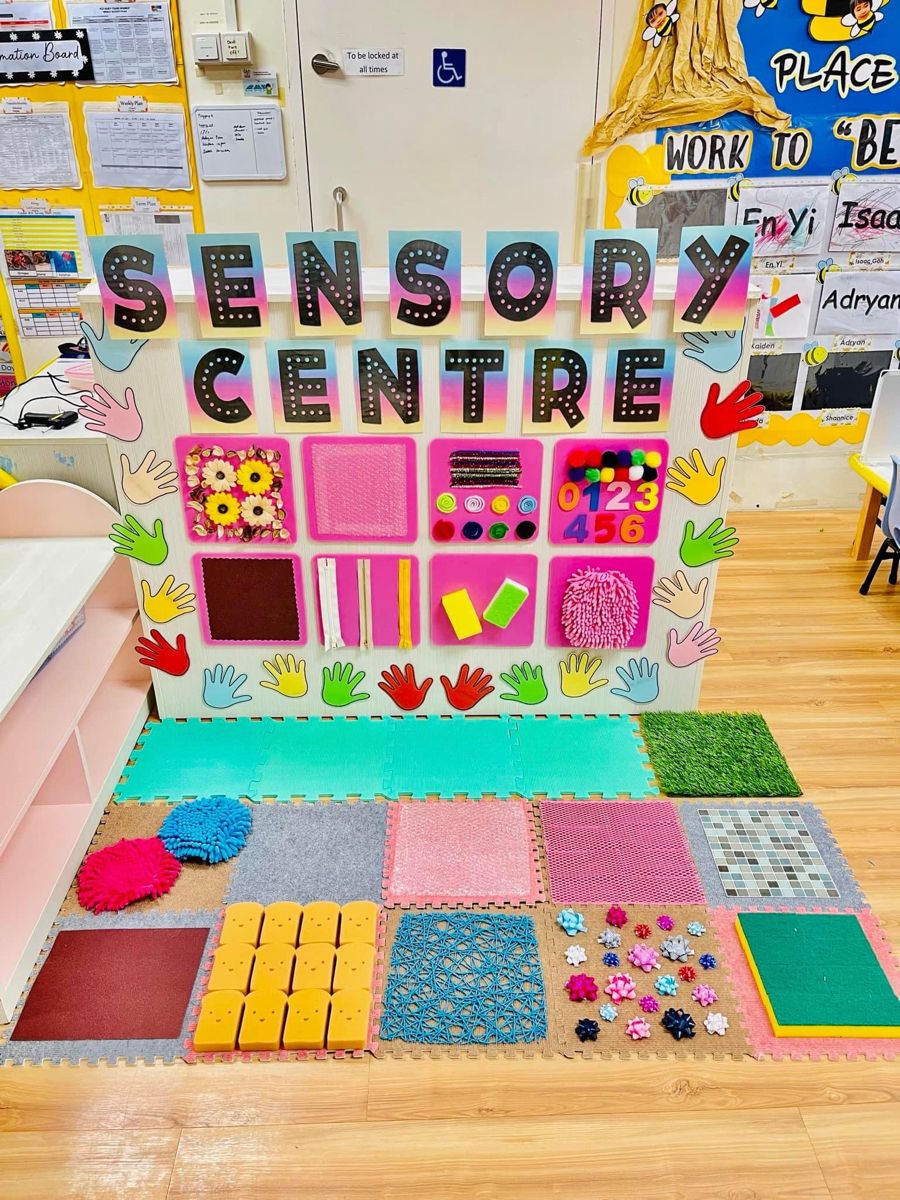
One effective approach involves providing diverse and tactile materials that invite experimentation—clay that molds under fingertips, vibrant paints that spill with abandon, or digital tools offering infinite possibilities. The emphasis should rest on process rather than product, liberating creativity from the constraints of judgment or expectation.
Creative workshops designed with inclusivity in mind exemplify these principles, promoting self-expression through safe, structured, yet flexible activities. These settings encourage participants to explore personal narratives, validate their artistic choices, and build confidence through shared experience. Empathy and encouragement are paramount; the facilitator’s role transforms into that of a gentle guide, fostering both skill development and authentic self-expression.

Art as a Communication Bridge: Validating Internal Experiences
For many autistic individuals, conventional social and verbal communication channels can be fraught with obstacles. Art becomes a potent bridge—a nonverbal conduit through which thoughts, feelings, and experiences flow freely without the constraints of language.
Creative expression validates the internal world, granting visibility to emotions and ideas that might otherwise remain concealed. This validation is crucial; it affirms the individual’s reality and fosters a meaningful connection with others who engage with their work. Beyond individual catharsis, art catalyzes empathy and understanding within families, schools, and communities, helping to demystify autism through authentic storytelling.
The Ripple Effect: Long-Term Benefits of Artistic Engagement
Extended engagement with art offers profound, lasting benefits. Beyond immediate emotional relief, regular creative practice cultivates resilience, fine motor skills, and cognitive flexibility. Artistic endeavors reinforce patience and perseverance, teaching the value of gradual progress and iterative improvement—qualities transferable to broader life challenges.
Moreover, participation in community-based art initiatives fosters social inclusion, reduces isolation, and nurtures a sense of belonging. When autistic artists share their creations publicly or within peer groups, they partake in a shared cultural space that transcends difference and highlights common humanity.
Thus, art is not merely an activity but a dynamic, evolving relationship that enriches quality of life and supports holistic development.
Conclusion: Embracing the Palette of Possibility
Art’s transformative power lies in its ability to illuminate the unseen and articulate the inexpressible. For those on the autism spectrum, creative expression serves as an essential vessel—one that carries complexity, vulnerability, and brilliance across boundaries of misunderstanding. By nurturing this artistic impulse, society takes a vital step toward embracing neurodiversity’s rich tapestry, acknowledging that each brushstroke, each line drawn, is a testament to human diversity and resilience.
Encouraging artistic expression is more than an educational or therapeutic strategy; it is an ethical imperative. It invites a deeper engagement with the multifaceted narratives that compose the autistic experience and enriches the collective cultural conversation. In recognizing and valuing the unique creative voices within autism, the world is not only enhanced aesthetically but elevated in compassion and insight.