Have you ever wondered what it truly means to support an autistic partner? It’s a question that often teases the mind with complexity, juxtaposing love with the subtle intricacies of neurodiversity. Supporting someone who experiences the world differently can feel like navigating an endlessly shifting landscape—one moment lush and inviting, the next, rife with unforeseen challenges. Yet, this journey, laden with both triumphs and trials, is deeply enriching when approached with empathy, curiosity, and intention.
Understanding Autism Beyond the Surface
Before diving into the realm of support, it’s crucial to appreciate the multifaceted nature of autism. Autism Spectrum Disorder (ASD) isn’t a monolith; it encompasses an extensive range of sensory experiences, communication styles, and social preferences. What might be comforting for one autistic individual could be overwhelming for another. Thus, peeling back misconceptions and embracing the diverse manifestations of autism lays the foundation for meaningful support.

Research or generalized advice can provide a foothold, but the paramount approach is cultivating profound personal knowledge about your partner’s unique neurology and lived experience. Open-ended conversations that invite vulnerability pave the way for clarity. Questions might range from “What situations energize you?” to “Are there specific environments or social interactions that cause discomfort?” These insights empower both partners to tailor their connection to resonate authentically.
Cultivating Open Communication as a Cornerstone
Dialogue in relationships is always essential, but with an autistic partner, it assumes a heightened significance. Communication styles may differ: some autistic individuals prefer concrete language over figurative speech, while others might need additional time to process or respond. Recognizing and respecting these dynamics prevents misunderstandings and fosters deeper intimacy.
Rather than assuming intent or emotion based on typical social cues, practice asking clarifying questions without judgment. This not only underscores a commitment to understanding but also models patience. Non-verbal communication—such as gestures, facial expressions, or even silence—can carry layered meanings that deserve attentive interpretation. Creating a safe space where your partner can express preferences, discomforts, or joys freely is paramount.
Prioritizing Sensory Sensitivities and Creating Comfort
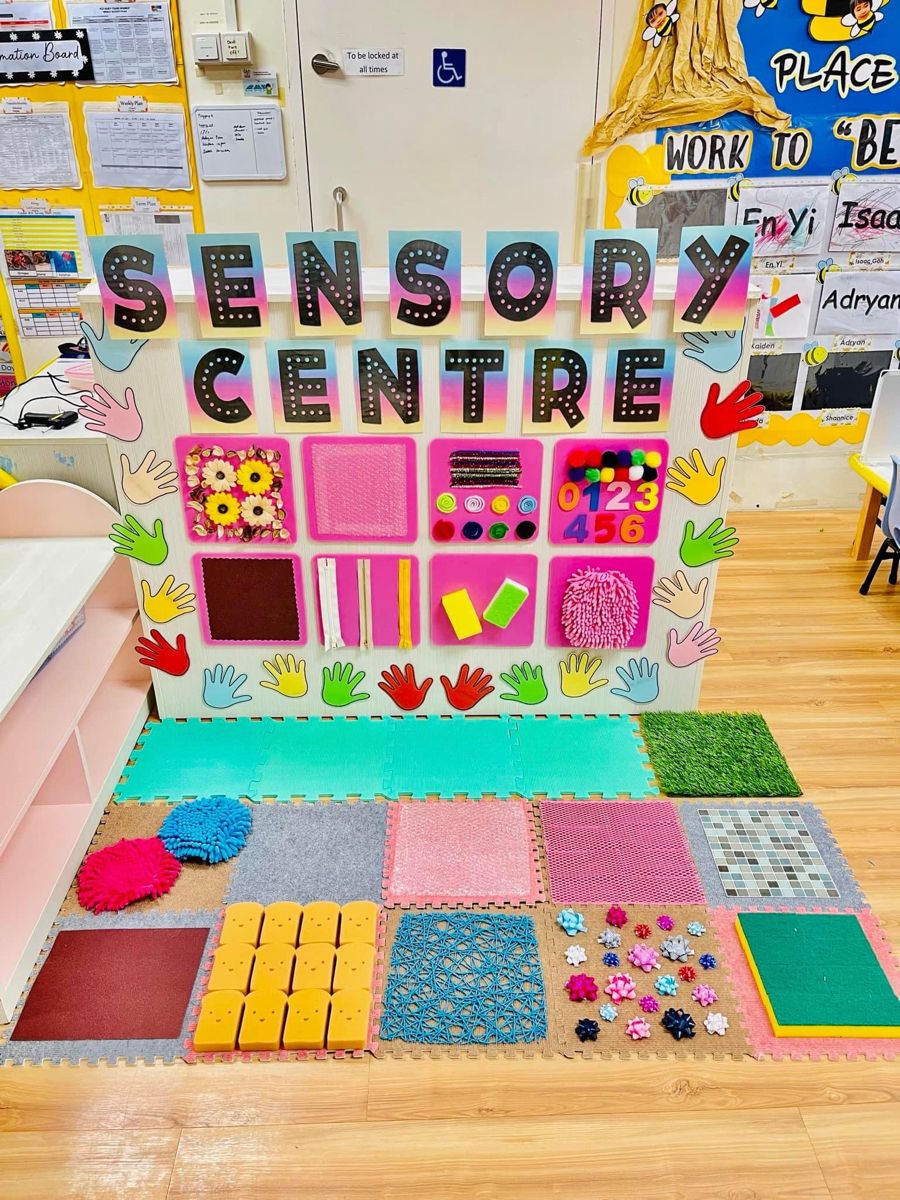
Sensory processing differences are a hallmark aspect of autism. An environment teeming with bright lights, loud noises, or unpredictable textures might be exhausting or distressing for your partner. Conversely, sensory-friendly modifications can transform spaces into havens of tranquility and acceptance.

Empathizing with these subtle but profound challenges involves attentiveness to your partner’s cues. Ask what sensory conditions they find soothing versus taxing. For instance, dimming harsh fluorescent lights, using hypoallergenic fabrics, or incorporating weighted blankets may provide significant comfort. These adjustments often symbolize more than just physical ease; they affirm respect and acknowledgement of your partner’s neurodivergent needs.
Encouraging Routine and Predictability
Many autistic individuals find solace and stability in routines. Structured, predictable schedules can alleviate anxiety caused by uncertainty. However, rigidity is not the goal; rather, flexibility within a scaffolded routine can nurture a sense of security while accommodating life’s spontaneity.
Partnering with your loved one to develop shared routines—whether it is regular check-ins, mealtime rituals, or consistent weekend activities—can strengthen relational bonds. Honoring their preference for advance notice about changes or transitions is another critical facet. This practice not only reduces stress but also demonstrates attentiveness and respect for their cognitive needs.
Fostering Emotional Support with Nuanced Empathy
Emotional landscapes in autism can be complex and sometimes appear opaque to neurotypical partners. It’s easy to misinterpret withdrawn behavior or intense reactions without understanding the underlying sensory or emotional overload. Providing emotional support means attuning yourself to these distinctions and trusting in your partner’s expressions—even if they differ from conventional expectations.
Sometimes, offering support might be as simple as being present without pressure to “fix” feelings. At other times, it involves reassurance that their emotions are valid and deserving of space. Learning about different emotional regulation strategies—such as mindfulness, grounding techniques, or creative outlets—can be powerful tools you explore together. Your role becomes that of a sensitive ally, navigating the emotional topography alongside your partner.
Advocating Together: Building a Collaborative Partnership
Support also extends beyond the intimate dyad into broader spheres. Helping your autistic partner advocate for themselves—whether in family settings, workplaces, or healthcare contexts—can alleviate systemic barriers and promote autonomy. Being informed about accommodations, rights, and resources amplifies your partner’s voice and bolsters their confidence.

Engaging in advocacy together also enriches your shared journey. It transforms challenges into collective action and helps cultivate a partnership grounded not just in love, but in mutual empowerment.
Embracing Patience and Celebrating Progress
The path of supporting an autistic partner is seldom linear. Setbacks and breakthroughs often coexist, requiring resilience and adaptability. Cultivating patience—both with your partner and yourself—creates a nurturing environment where growth can flourish naturally.
Celebrate small victories: moments when communication clicks, when sensory worlds feel less daunting, or when emotional connections deepen. These milestones weave the tapestry of your relationship with threads of understanding and shared joy. Remember, supporting an autistic partner means honoring their journey in all its complexity and beauty.
In conclusion, the question “How can I support my autistic partner?” invites a commitment to profound empathy, tailored communication, and mindful collaboration. It’s a voyage that challenges assumptions, invites continuous learning, and rewards with an authentic, resilient love—a love that thrives in the rich interplay of difference and unity.