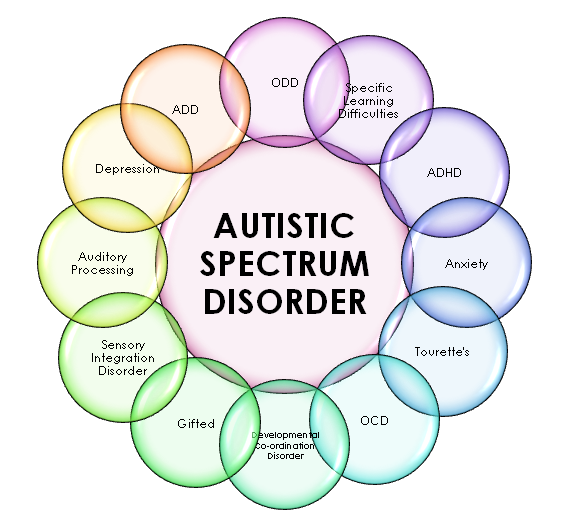
Ever found yourself wondering what it’s truly like to navigate the labyrinth of parenting an autistic teen? It’s a question that dances playfully on the edge of curiosity and concern, inviting us to explore a journey filled with profound challenges and unexpected triumphs. Parenting any teenager is no small feat, but when autism enters the equation, the complexities amplify, weaving an intricate tapestry of emotional, social, and logistical considerations that demand both resilience and creativity.
Understanding the Spectrum: The Multifaceted Nature of Autism
Autism spectrum disorder (ASD) is not a monolith; it encompasses an extensive range of characteristics and abilities, which means every autistic teen’s experience is uniquely textured. For parents, this variability poses a foundational challenge: no one-size-fits-all approach exists. Some teens might be nonverbal, while others possess exceptional verbal skills. Sensory sensitivities can turn everyday environments into overwhelming obstacles, where the cacophony of sounds and flickering lights provoke immense distress.
Recognizing and adapting to these distinctive sensory and communicative needs is essential. It demands an ongoing process of observation, learning, and advocacy—skills that parents must cultivate continually to foster their teen’s comfort and growth.

Emotional Volatility: Navigating the Rollercoaster of Feelings
Teenage years bring with them a surge of emotional intensity under the best of circumstances. For autistic teens, this emotional landscape can feel especially tumultuous. Challenges with emotional regulation frequently manifest, resulting in sudden mood shifts, anxiety, or episodes of frustration that might seem enigmatic to an untrained eye.
Parents find themselves learning to decode these emotional signals, becoming adept at identifying triggers and de-escalating situations before they spiral. This often requires patience beyond measure and an empathetic stance that honors the teen’s internal world, which does not always align with neurotypical expectations.
Social Interaction: The Double-Edged Sword of Connection
Building and maintaining social connections constitutes one of the most formidable hurdles. Many autistic teens struggle with interpreting social cues, understanding unspoken rules, or managing the nuances of friendship, which can lead to feelings of isolation or rejection.
Parents soon realize that they must not only support their teen in developing social skills, but also educate peers and communities to foster inclusion. This advocacy is an ongoing endeavor that often involves enlisting therapists, counselors, and social groups that emphasize neurodiversity and acceptance.

Academic Challenges and Strength-Based Approaches
The academic journey presents another complex domain. While some autistic teens thrive intellectually, many face hurdles in traditional educational environments due to rigid curricula, sensory distractions, or difficulties with executive functioning. These obstacles can lead to frustration, diminished self-esteem, and disengagement.
Parenting, therefore, involves collaborating closely with educators to tailor learning experiences that nurture the teen’s strengths and accommodate their challenges. Emphasizing a strength-based approach—focusing on talents and interests rather than deficits—can foster motivation and a positive self-concept, which are crucial during adolescence.
Balancing Independence and Safety
Adolescence is typically a time marked by progressively seeking independence. For autistic teens, however, this transition is frequently fraught with additional considerations. Parents grapple with finding the equilibrium between granting autonomy and ensuring safety, particularly when judgment, impulse control, or awareness of social nuances are areas of concern.
Guiding teens toward self-advocacy and life skills, such as financial literacy or self-care, must be intentional and paced according to their unique developmental trajectory. This balancing act can induce considerable anxiety for parents, as relinquishing control feels like navigating uncharted waters.
The Silent Strain: Parental Well-Being and Burnout
Behind every parent of an autistic teen lies a narrative marked by perseverance, but also vulnerability. Chronic stress, exhaustion, and emotional fatigue are common experiences that can slowly erode well-being. The demands of caregiving, coupled with social stigma or insufficient external support, often leave parents feeling isolated and overwhelmed.
Recognizing the vital importance of self-care is paramount, yet it remains a challenging priority to maintain. Parental burnout not only impacts the individual but reverberates through family dynamics, underscoring the necessity of accessing support networks, therapeutic resources, and respite care where possible.

Looking Forward: Hope and Resilience
Despite these daunting challenges, parenting an autistic teen is also a profound journey of discovery and unconditional love. Every hurdle surmounted reveals a layer of resilience, not just within the teen but within the family unit as a whole. Celebrating small victories, cultivating understanding, and embracing neurodiversity can transform struggles into opportunities for growth.
Ultimately, the path of parenting an autistic teen is neither linear nor predictable, but it is imbued with moments of extraordinary connection and insight. The challenges are real, but so too is the capacity for hope, adaptation, and thriving in the face of complexity.