In a world increasingly committed to inclusivity and understanding, discovering authentic narratives and expert insights about autism is more essential than ever. The best books on this profound and complex subject promise not only to educate but to transform how we perceive and engage with the autism spectrum. These carefully curated works invite readers to traverse the landscape of neurodiversity, offering a perspective that challenges assumptions and kindles empathy. What follows is an exploration of exceptional literary resources that illuminate the multifaceted nature of autism, providing clarity, compassion, and a call to broaden our horizons.
Exploring the Spectrum: The Literature That Enriches Understanding
Autism is not a monolith but an intricate spectrum of experiences, and the literature that best explores it embraces this complexity. Among the most laudable titles are those that intertwine scientific rigor with poignant storytelling. These books do more than define autism; they invite readers into the lived realities of individuals on the spectrum, their families, and the professionals dedicated to their support. Such works deftly balance clinical knowledge with humanistic empathy, making the abstract tangible and the unfamiliar accessible.

These narratives often emerge as comprehensive guides, weaving together research, personal anecdotes, and practical advice. They serve as invaluable tools for parents, educators, clinicians, and anyone seeking a foundational yet nuanced grasp of autism.
Nuanced Perspectives: Books That Encourage a Shift in Paradigm
What distinguishes an exemplary book about autism is its ability to catalyze a paradigm shift. Instead of reducing autism to deficits, the finest works celebrate neurodiversity — the recognition that neurological differences are natural variations rather than pathological conditions. These texts underscore the strengths, talents, and unique perspectives of autistic individuals, challenging long-held stigmas and misconceptions. They emphasize a model of inclusion that values accommodation and respect over normalization.
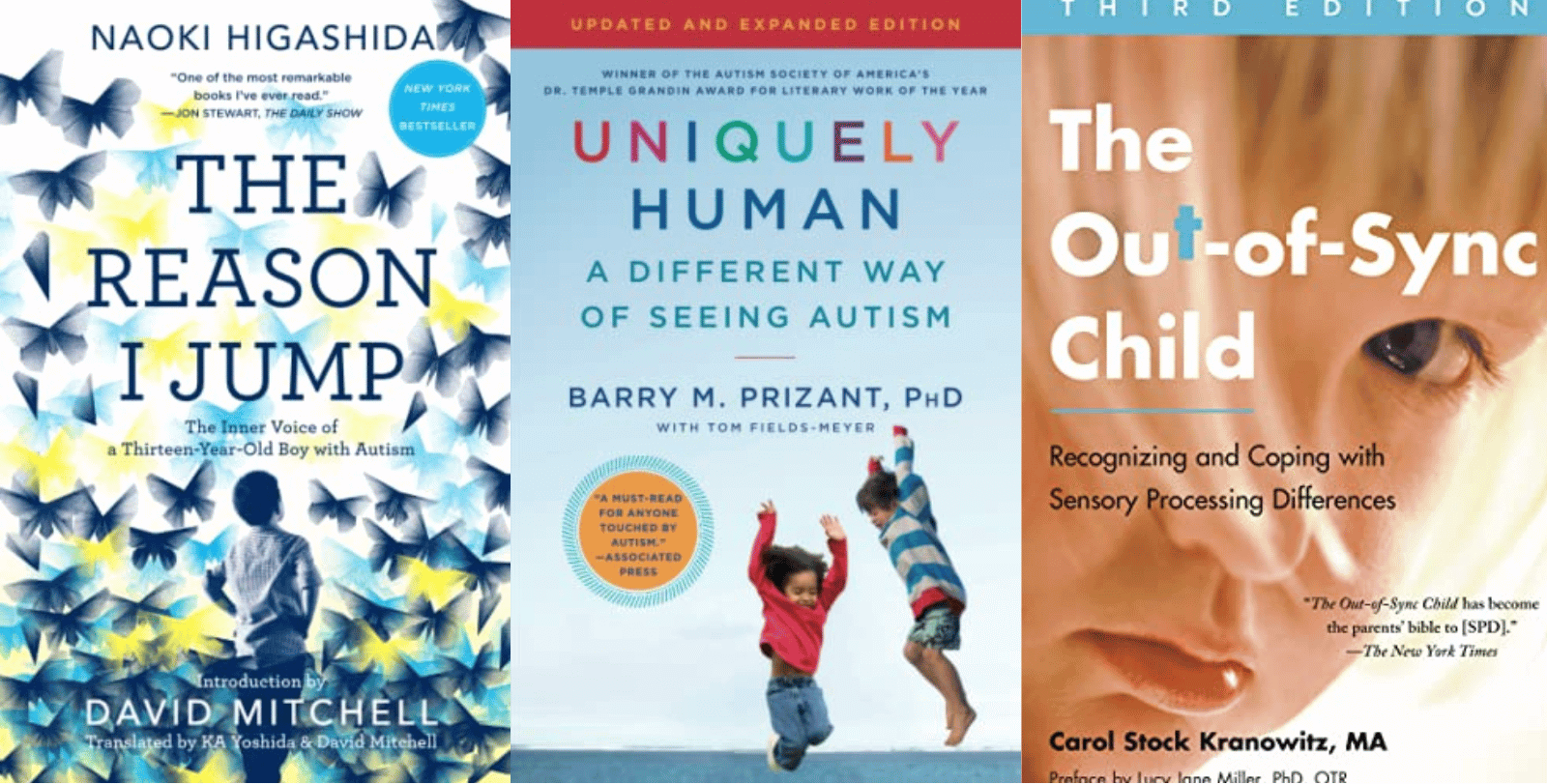
Readers are prompted to reconsider their preconceptions, embracing a more holistic understanding of communication styles, sensory processing, and social interaction. This reframing fosters empathy not born from pity, but from genuine respect and deeper awareness.
Voices from Within: First-Person Narratives and Autistic Perspectives
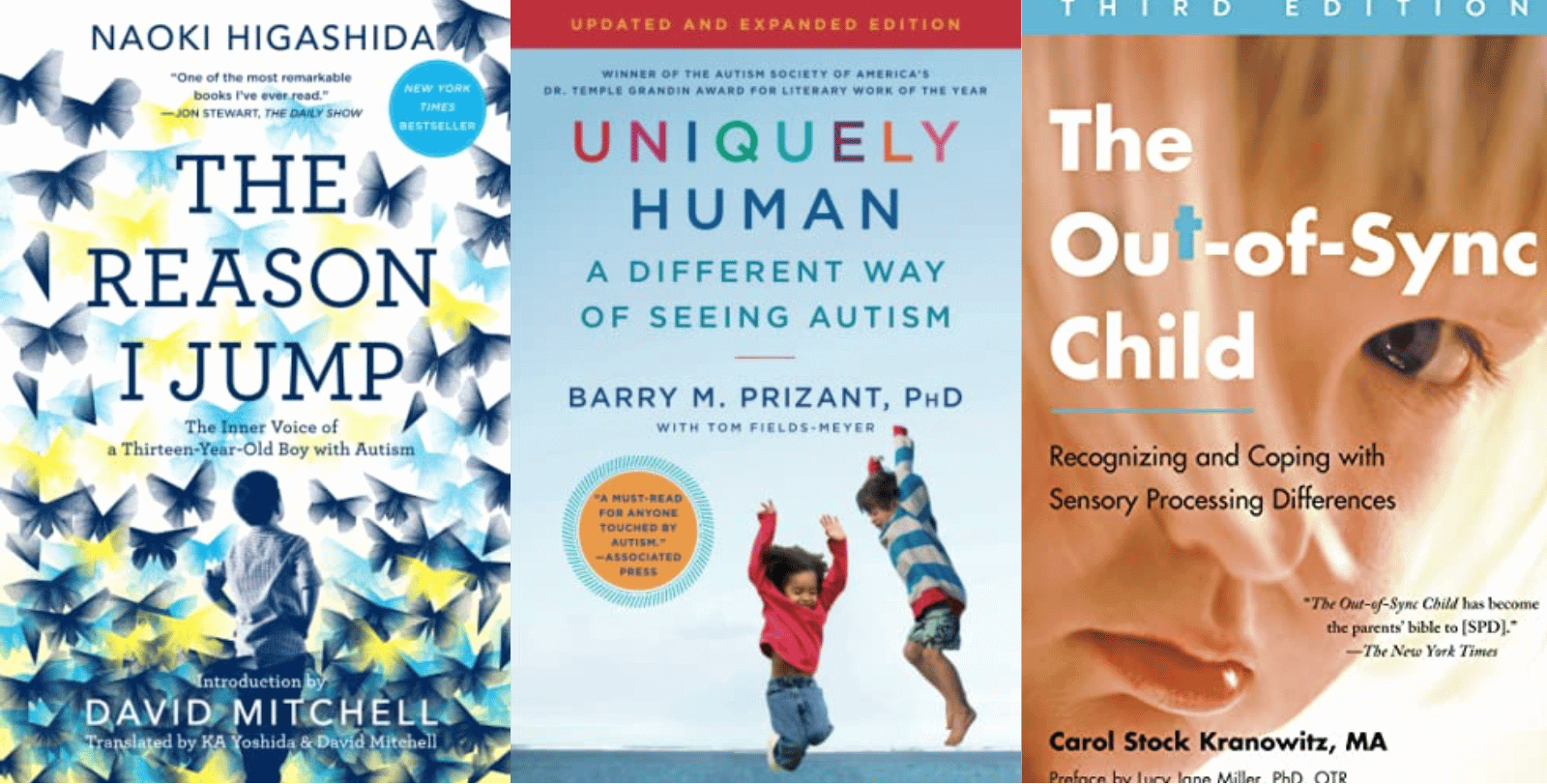
Integral to the canon of enlightening autism literature are the autobiographical and narrative accounts authored by autistic individuals themselves. These first-person stories pierce through clinical abstraction and offer an unvarnished glimpse into the challenges and triumphs of living on the spectrum. Such narratives dismantle stereotypes and provide a vivid testament to the diversity of autistic experience.
Through eloquence, humor, and honesty, these authors reveal how sensory sensitivities, social dynamics, and personal identity intersect within their lives. The power of such accounts lies in their capacity to humanize a condition often rendered impersonal in academic discourse.
Guidance for Families: Books That Offer Practical Support
For families navigating the complexities of autism, literature that combines empathy with pragmatic strategies is indispensable. These guides often offer robust advice on therapeutic interventions, educational planning, and social support systems. They acknowledge the emotional terrain traversed by parents and caregivers while providing actionable tools to foster the well-being and growth of their loved ones.
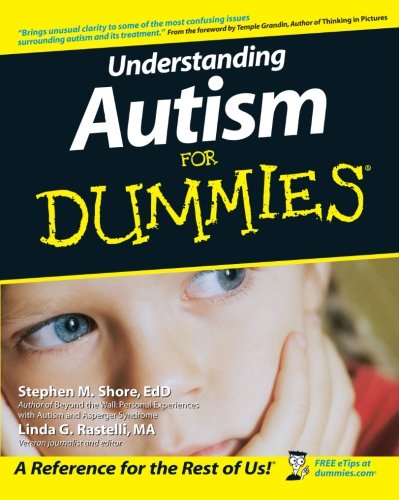
Such books also underscore the importance of collaboration between families, educators, and professionals, advocating for individualized approaches that respect the unique profile of each autistic person. In doing so, they empower caregivers with knowledge and hope, vital ingredients for sustainable advocacy and support.
Expanding Horizons: Educational and Scientific Insights
Beyond personal narratives and parental guides, certain scholarly works delve into the etiological, neurological, and behavioral aspects of autism. While maintaining accessibility, these books elucidate recent advances in research – from genetics to brain imaging – inviting readers to understand autism through the prism of cutting-edge science.
Such texts highlight the ongoing evolution of autism studies and the importance of evidence-based approaches. By demystifying scientific jargon and presenting findings in an engaging manner, they equip readers with a broadened perspective that transcends anecdotal knowledge.
The Transformative Power of Understanding
Immersing oneself in the best books about autism is more than an intellectual exercise; it is a journey into empathy. These texts encourage readers to reconsider definitions of ability, communication, and social norms. As readers absorb diverse viewpoints and experiences, they cultivate an enriched worldview that champions acceptance, diversity, and dignity.
Intriguingly, such literature does not merely inform but invites action — whether advocating for inclusive education, supporting neurodiverse employment policies, or simply changing the language we use to talk about autism.
Ultimately, the best books for understanding autism unlock the potential for a cultural shift. They usher in an era where differences are not just tolerated but embraced as essential threads in the fabric of humanity. By engaging with these works, readers partake in a transformative dialogue—one that promises to broaden perspectives, deepen understanding, and inspire a more compassionate society.