
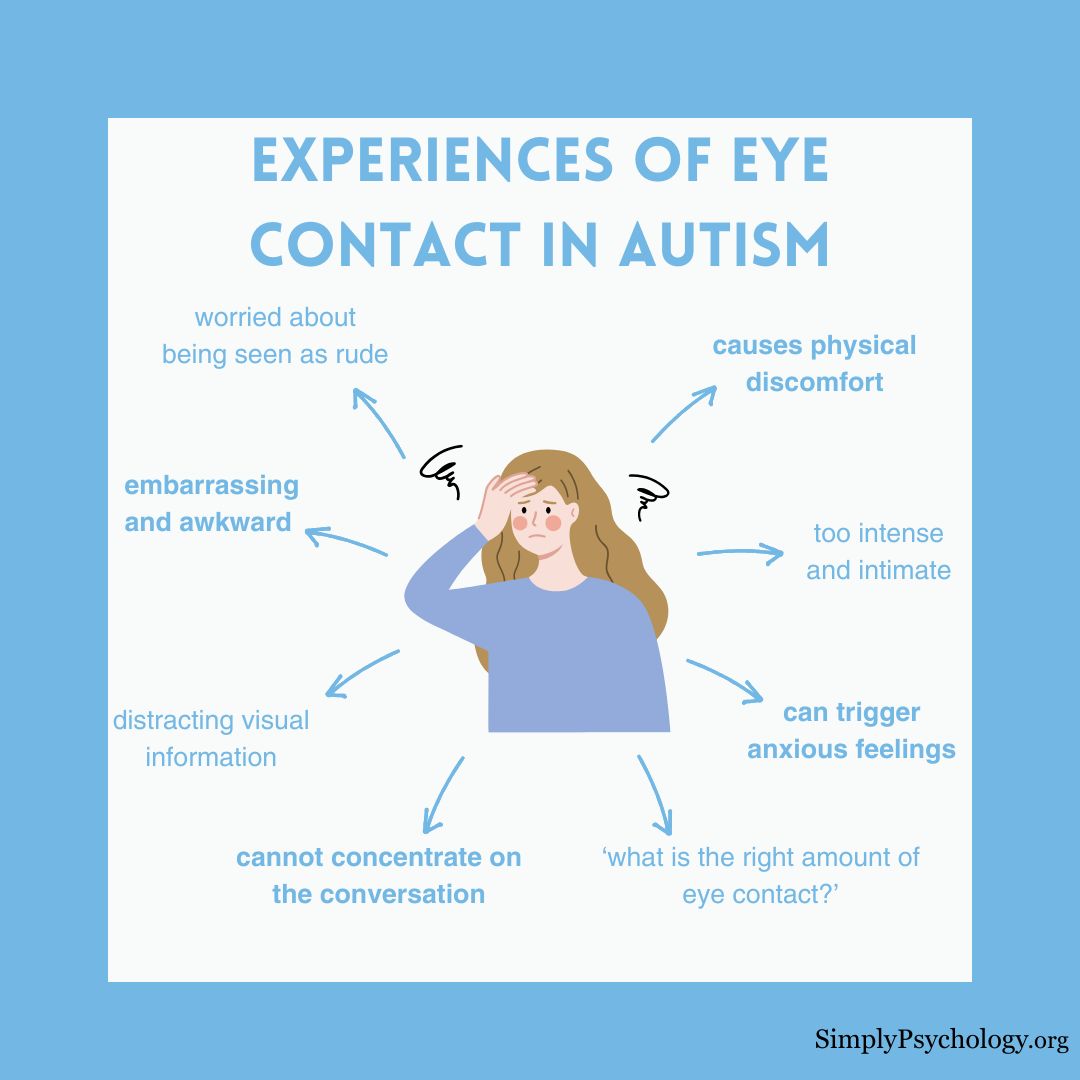
From a young age, society often places an unspoken demand on individuals to engage in eye contact during communication. This expectation, seemingly benign, can be profoundly distressing for many on the autism spectrum. The notion of forced eye contact, rather than serving as a bridge for connection, frequently becomes a source of emotional turmoil and sensory overload. Exploring this topic reveals not only the challenges faced by those with autism but also invites a transformative shift in how we perceive social interactions and communication norms.
The Cultural Imperative of Eye Contact
Eye contact is widely regarded as a hallmark of attentiveness and sincerity in many cultures. It signifies interest, engagement, and often, trustworthiness. From early childhood, children are encouraged—if not pressured—to maintain eye contact as a social skill. However, this custom is rarely scrutinized beyond its face value. For neurotypical individuals, eye contact typically feels natural and effortless, a fundamental component of conversation. But for those with autism, this well-intentioned social cue can feel invasive and disorienting, ultimately obstructing authentic communication rather than enhancing it.
The Neurological Underpinnings of Discomfort
The aversion to eye contact in autistic individuals is deeply rooted in neurological variances. The hyperactivation of the amygdala, a brain region integral to processing emotions and threats, can convert direct gaze into a highly stressful experience. For some, sustained eye contact may be interpreted subconsciously as a form of confrontation or intimidation, triggering anxiety and a flood of overwhelming sensory information. This neurological hyperarousal can manifest physically in increased heart rate, sweating, and a strong urge to escape the situation, underscoring why so many find forced eye contact distressing.

Eye Contact and Sensory Overload
Beyond emotional responses, the sensory environment plays a pivotal role in the difficulty with eye contact. Individuals with autism frequently experience sensory processing differences that amplify stimuli which most people easily filter out. The intensity of facial features, the movement of eyes, and the subtle shifts in expression can all contribute to sensory overload. Forced eye contact demands a level of focus on these stimuli, perpetuating fatigue and distress. It’s an exhausting endeavor that detracts from the content and intent of the communication itself.
The Psychological Impact of Compulsory Gaze
When eye contact is not a choice but an obligation, psychological consequences can accumulate. Forced eye contact may foster feelings of vulnerability, exposure, and powerlessness — emotions that compound existing social anxieties. For many, this coercion can undermine self-esteem, perpetuate social withdrawal, and interfere with natural interactions. It creates a paradox where attempts to conform to social “norms” inadvertently foster isolation and misunderstanding, rather than bridging divides.
Rethinking Social Norms: Shifting Perspectives
Recognizing the trauma that forced eye contact can trigger invites a radical reconsideration of our social frameworks. Communication is multifaceted; eye contact is merely one modality rather than an absolute prerequisite. Emphasizing flexibility and respect for individual sensory needs allows for more meaningful exchanges. Nonverbal cues such as body language, voice tone, and contextual awareness can serve as rich alternative channels for connection. This paradigm shift honors neurodiversity, fostering relationships built on comfort rather than compliance.

Practical Approaches to Respect and Inclusion
Creating environments that alleviate pressure to maintain eye contact is essential. Caregivers, educators, and peers can adopt supportive strategies such as allowing gaze aversion, using breaks during social interactions, or employing alternative forms of engagement like written communication or shared activities. These approaches acknowledge individual comfort levels, reduce anxiety, and foster authentic connection without compromising personal autonomy. Encouraging open dialogue about preferences related to eye contact is a crucial step toward inclusivity.
The Role of Empathy in Transforming Interactions
At its core, the discomfort with forced eye contact is a poignant reminder of the need for empathy in interpersonal exchanges. When we prioritize understanding over expectation, the landscape of human interaction becomes more compassionate and adaptive. This empathetic stance dismantles rigid social conventions, paving the way for deeper connection and respect. Embracing diverse modes of connection enriches our shared human experience and honors the uniqueness in each individual’s communication style.

Ultimately, the insistence on eye contact as a universal standard does not account for the nuanced realities of autism. By understanding why forced eye contact can be traumatic, we are invited to cultivate patience, creativity, and respect in our approach to communication. This shift not only benefits individuals on the spectrum but enriches society as a whole. Moving beyond forced gaze reveals a landscape of human connection that is thoughtful, inclusive, and profoundly humane.












