Who truly reaps the rewards within the sprawling autism industry? As awareness and diagnosis have surged over recent decades, an intricate network of services, products, and interventions has emerged, creating a booming market around autism spectrum disorder (ASD). Yet, beneath the surface of goodwill and scientific advancement lies a complex ecosystem—one that invites scrutiny on who benefits most and at what cost. Is this a landscape shaped primarily by the needs of individuals and families, or has it evolved into an enterprise driven by more profit-based motives?
The Expansive Landscape of the Autism Industry
The autism industry spans far beyond the clinical realm. From early intervention therapies to assistive technologies, educational services to pharmaceutical developments, the ecosystem is expansive and multifaceted. Its growth has been fueled by rising autism prevalence rates and increasing societal recognition of neurodiversity. Yet, this growth has spawned an assortment of commercial enterprises, some with unclear impact on the core wellbeing of those diagnosed.
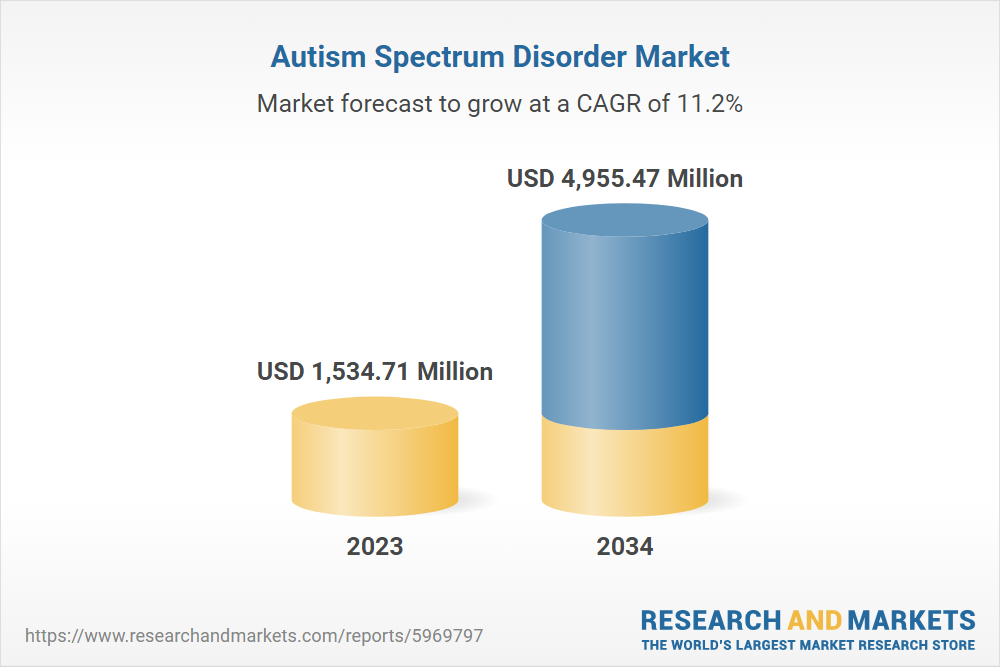
Financial data points to billions of dollars flowing through medical, educational, and technological sectors annually, reflecting robust demand. Therapies such as Applied Behavior Analysis (ABA), speech and occupational therapy, and emerging digital tools are cornerstone components. Each segment is marked by specialized providers, certification requirements, and often high costs. Herein lies the complexity: many families invest substantial sums in searching for effective interventions, often reliant on hope as much as evidence.
Profit or Progress? The Motivations Behind Services and Products
Commercial motivation is not inherently problematic; innovation thrives when capital meets curiosity and commitment. However, issues arise when disparities emerge between the financial incentives for providers and the actual efficacy or accessibility of services for clients. Some companies aggressively market products promising transformative outcomes with limited scientific substantiation. The line between promising support and optimistic salesmanship can blur, potentially prioritizing revenue over real-world impact.
Moreover, the industry can become fragmented by varying stakeholder interests, including private enterprises, insurance companies, advocacy groups, and governmental bodies. Conflicting objectives may impede coherent policy-making or equitable resource distribution. The challenge is to center the lived experiences of autistic individuals and their families rather than commodifying their needs.
The Role of Awareness Campaigns and Nonprofits: Genuine Advocacy or Industry Fuel?
Awareness campaigns have significantly contributed to reducing stigma and promoting acceptance, arguably reshaping societal attitudes toward autism. However, there is an ongoing debate about the unintended consequences these campaigns may have in bolstering the industry’s financial dimension. Fundraising efforts by nonprofits often funnel considerable resources into research and marketing, yet critics question whether these funds always reach where they are most needed or simply augment organizational budgets.
The narrative promoted by some organizations tends to emphasize “cure” or “fix” paradigms, aligning with service models that perpetuate a treatment-centric approach. This framework can overshadow neurodiversity advocacy, which emphasizes acceptance, accommodation, and valuing differences rather than pathologizing them. Consequently, the autism industry’s growth can sometimes reflect a commercialized reaction to societal anxiety rather than a patient-centered evolution.
Educational and Therapeutic Services: Balancing Needs and Costs
Education and therapy form the crux of many families’ experience with autism support. Public schools, private centers, and home-based programs offer various interventions, often accompanied by hefty fees or complex insurance navigation. The demand for specialized educators and therapists has surged, leading to workforce challenges such as shortages, variable quality standards, and uneven availability across regions.
Families frequently encounter difficult decisions—between affordability, accessibility, and perceived effectiveness. The pressure to secure expensive early intervention programs can strain household finances, sometimes inducing inequities along socioeconomic lines. This highlights questions about the sustainability and fairness of current autism service models and underscores the need for systemic reforms that prioritize universal access.
Technological Innovation: Promise and Pitfalls
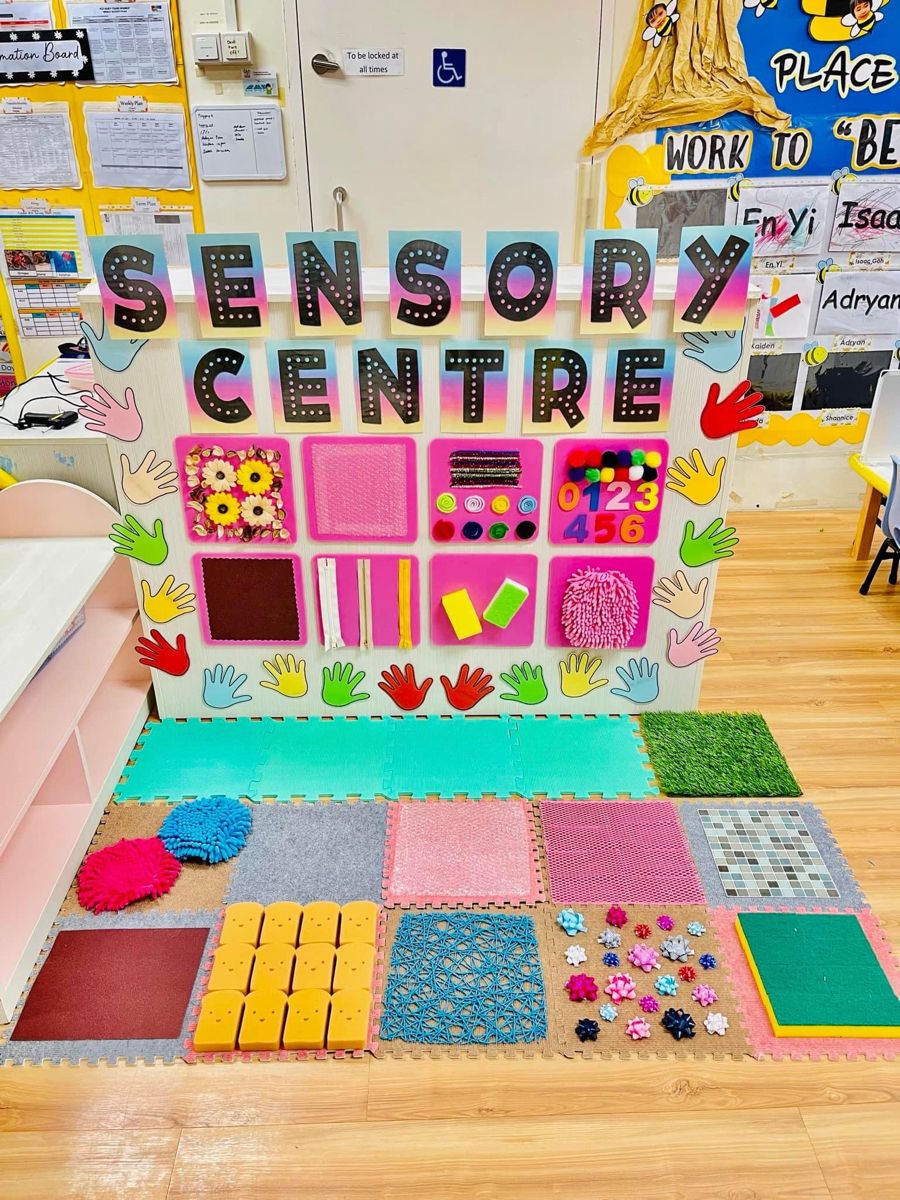
Recent years have seen an explosion of technological tools designed to assist autistic individuals—from communication devices and sensory regulation gadgets to artificial intelligence-based diagnostic tools. These innovations hold immense promise for enhancing autonomy and quality of life. However, they also introduce complexities regarding data privacy, long-term efficacy, and the potential for over-reliance on technology in lieu of human-centered care.
Technology firms view the autism sector as an opportunity for developing niche markets, but commercialization can sometimes overshadow user experience and ethical considerations. The integration of these cutting-edge solutions requires rigorous validation and thoughtful deployment to ensure they genuinely address the nuanced needs of the autism community.
Pharmaceuticals and Emerging Medical Research: Hope Amid Controversy
Medical research continues to seek greater understanding of ASD’s biological underpinnings, opening pathways towards tailored treatments. However, the pursuit of pharmacological interventions is fraught with ethical questions and scientific challenges. There are no definitive “cures” for autism, and attempts to medicate core symptoms provoke debate about identity, autonomy, and the very definition of what it means to live with autism.
The pharmaceutical industry’s involvement introduces high-stakes finances and regulatory complexities. While clinical trials and drug approvals necessitate rigorous scrutiny, the commercialization of medications for associated conditions—such as anxiety or attention difficulties—can incentivize medicalizing behavioral diversity. This dynamic reflects a tension between genuine therapeutic innovation and the expansion of treatment markets.
Conclusion: Steering Toward a More Equitable Future
The autism industry is a labyrinthine network where altruism, innovation, and profit motives intermingle. Its expansion provides unprecedented opportunities for support and understanding, but also raises critical questions about who truly benefits. Families and individuals often carry the dual burden of navigating this complex system while seeking genuine help and acceptance.
Reorienting the industry toward equitable access, transparency, and true empowerment for autistic people is imperative. It requires balancing commercial interests with ethical responsibility, amplifying neurodiverse voices, and fostering collaborative frameworks that prioritize human dignity over revenue. Only then can the autism industry evolve from a sprawling market into a beacon of authentic support.