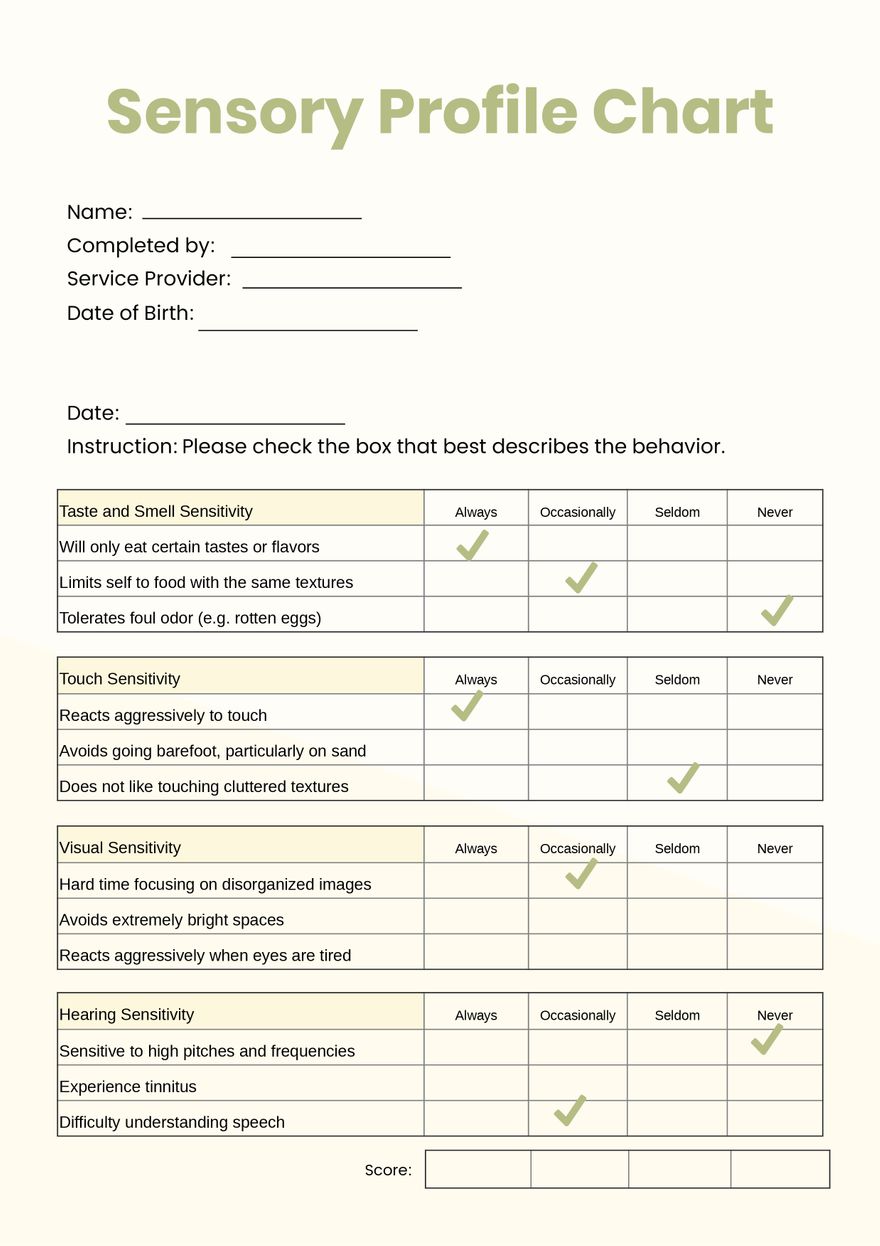
Understanding autism through the lens of sensory preferences unveils a profound dimension of each child’s unique experience. Sensory processing is an intricate system by which the brain interprets and responds to stimuli from the environment, profoundly influencing behavior, comfort, and learning. When exploring the sensory profile of a child with autism, a comprehensive approach unravels the nuances that define their interaction with the world.
The Multifaceted Spectrum of Sensory Preferences
Children on the autism spectrum often display a diverse array of sensory preferences, driven by hyper- or hypo-sensitivity to stimuli across various modalities. These differences are more than just quirks; they shape daily routines, social engagement, and emotional regulation. Sensory processing involves vision, hearing, touch, taste, smell, proprioception, and vestibular senses. Each modality can manifest in distinctive ways, presenting challenges or sources of comfort.
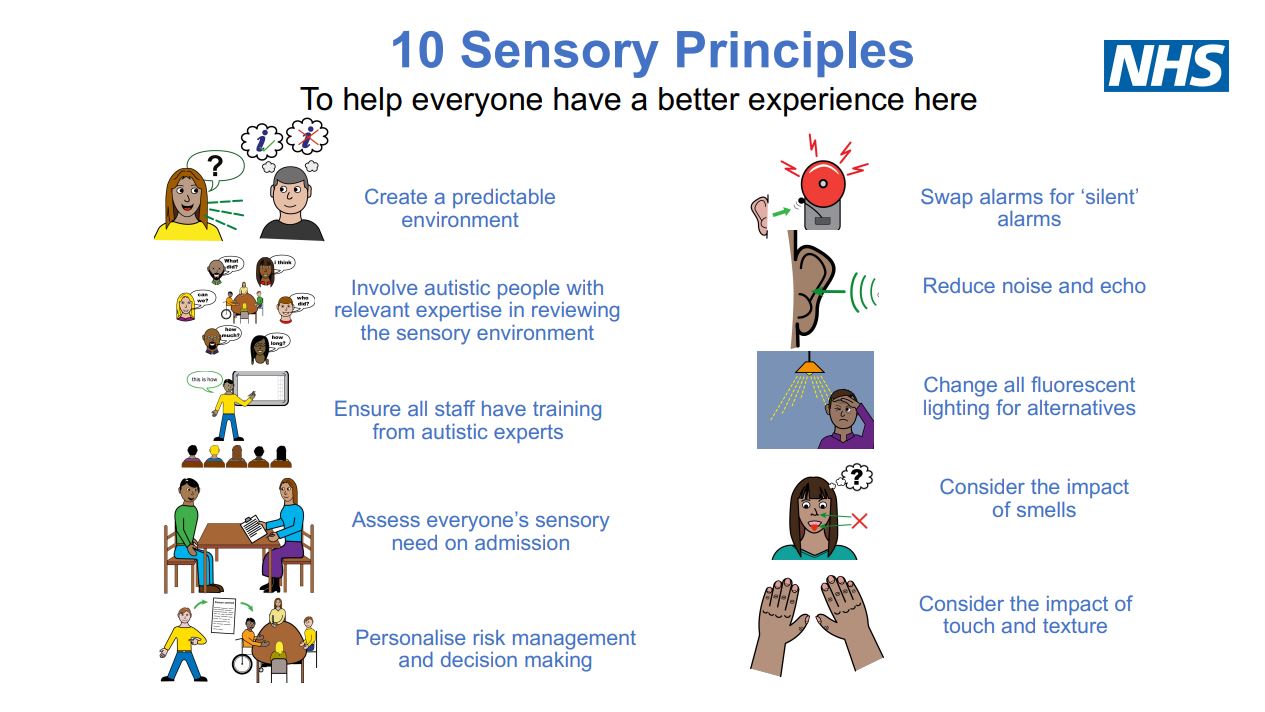
For instance, some children might find bright lights overwhelming, leading to aversion and distress, while others may seek intense visual input. Auditory stimuli, such as sudden noises or crowded environments, can provoke anxiety in some, whereas a calming white noise might be soothing for others. Touch sensitivity often fluctuates; certain textures or clothing materials may lead to discomfort, yet the same child might crave deep pressure for grounding.
Identifying Your Child’s Sensory Profile
Pinpointing a child’s sensory preferences requires meticulous observation and often benefits from structured assessments. Tools like sensory profile charts encapsulate a child’s behavioral responses to different sensory inputs, revealing patterns that inform tailored interventions. These profiles are dynamic, evolving as the child grows and adapts, thus continuous observation is imperative.
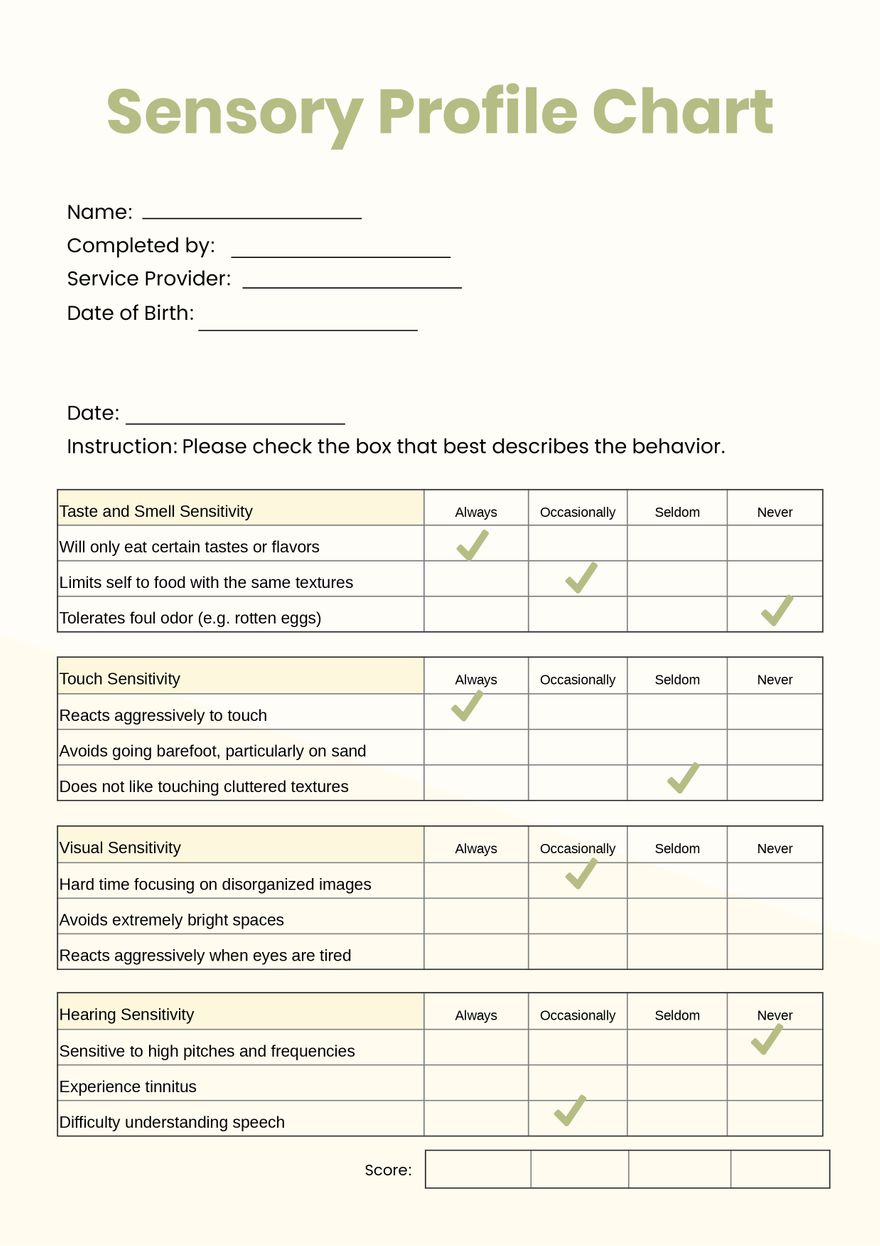
Parents and caregivers should keenly observe reactions to common stimuli—note how your child responds to bustling environments, texture of foods, clothing choices, or physical activities. Does your child avoid certain sensations or seek them out intensely? These insights provide the foundation for creating supportive sensory environments and identifying therapeutic strategies. Collaborating with occupational therapists can further refine understanding and offer professional sensory assessments that quantify sensitivities and preferences.
The Role of Sensory Rooms and Facilitated Environments
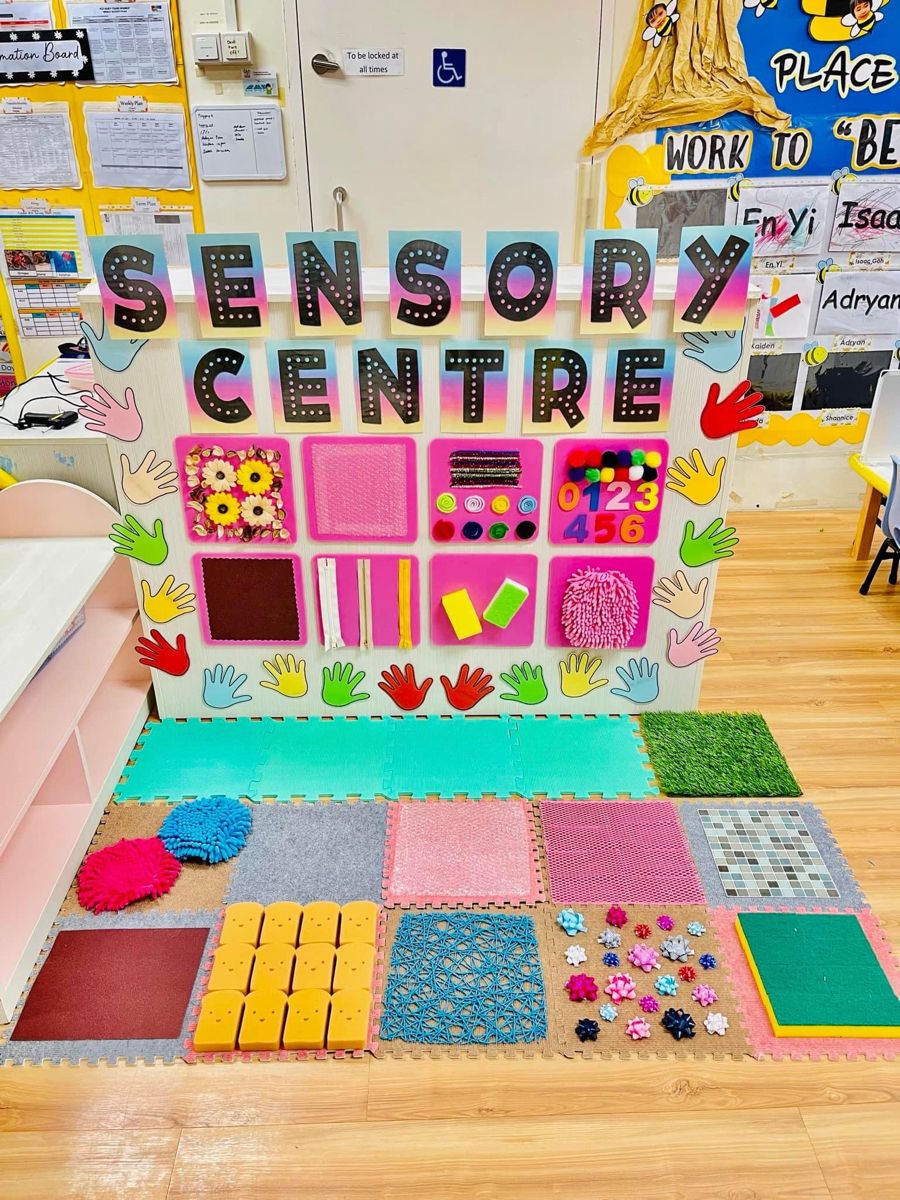
Creating environments that support sensory needs enhances comfort, focus, and emotional stability. Sensory rooms, equipped with tailored stimuli—ranging from calming lights to tactile items—serve as safe havens where children can regulate their sensory experiences. These spaces can either amplify or diminish specific inputs to calibrate sensory engagement, providing crucial self-regulation opportunities.

The use of adaptive tools, such as weighted blankets or noise-cancelling headphones, complements these controlled environments. Such accommodations empower children to modulate sensory input according to their unique thresholds. Proactively incorporating sensory-friendly designs in schools and homes fosters inclusion and mitigates sensory overload situations. The strategic design of these spaces is grounded in a nuanced understanding of the child’s sensory profile.
Translating Sensory Profiles into Everyday Strategies
Once a child’s sensory preferences are understood, translating these insights into daily strategies becomes paramount. Modifying routines to avoid sensory triggers, introducing compensatory sensory activities, and teaching self-advocacy contribute substantially to well-being and development. For example, a child sensitive to auditory stimuli might benefit from predictable schedules and quiet zones, while a child with under-responsive proprioception might thrive with exercises involving joint compression or balance tasks.
Family members and educators play critical roles in recognizing and accommodating sensory needs. By embedding sensory-aware practices into interactions and environments, they enable smoother transitions, reduced anxiety, and enhanced participation in social and educational settings. Sensory preferences influence not only comfort but also learning modalities—tailoring educational approaches to meet these preferences optimizes engagement.
Ongoing Evolution of Sensory Preferences
It is essential to appreciate the fluidity of sensory profiles over time. Children’s sensory needs may shift due to developmental changes, experiences, or therapeutic interventions. Regularly revisiting sensory assessments ensures strategies remain relevant and effective. This dynamic process requires an open mindset and flexibility from caregivers and professionals.
Moreover, sensory preferences intersect with other aspects of autism, such as communication and emotional regulation. A comprehensive approach considers these interconnections, crafting holistic support plans that reflect the child’s full complexity. Continuous education and adaptation empower families to meet evolving needs with confidence and compassion.
In sum, uncovering and understanding your child’s autism sensory preferences is a gateway to fostering comfort, growth, and connection. It begins with attentive observation, is enriched by professional insights, and blossoms through thoughtful environmental adaptations and daily strategies. Embracing this intricate sensory journey not only transforms challenges into opportunities but also honors the individuality and potential inherent in every child.