In the vast landscape of dining, where sensory experiences intertwine with culinary delights, autism-friendly restaurants emerge as sanctuaries of understanding, accommodation, and genuine warmth. These establishments are more than just eateries; they are carefully crafted havens that honor the sensory, social, and emotional needs of individuals on the autism spectrum. Like lighthouses guiding ships through foggy waters, these restaurants illuminate the path toward inclusive and joyful dining experiences.
Sensory Sanctuaries: Calming Environments Tailored for Comfort
One of the most pivotal aspects that distinguishes truly autism-friendly restaurants is their masterful orchestration of sensory stimuli. Harsh fluorescent lighting, cacophonous noise, and unpredictable crowds often create a storm of overwhelm for individuals with sensory sensitivities. These restaurants, however, sculpt their spaces with a delicate hand—think muted lighting, soft pastel hues, and soundproofing materials that muffle the ambient noise. The result is an oasis where guests can savor their meals without being assaulted by the environment.

This meticulous attention to sensory detail reflects a profound empathy, transforming a meal into a multisensory experience that soothes rather than agitates.
Menus Crafted with Intention and Inclusivity
The culinary ethos at autism-friendly restaurants goes beyond taste—menus are designed to offer predictability and choice, two pillars that help mitigate anxiety. Many provide visual menus adorned with photographs and clear icons, serving as navigational compasses for those who may struggle with abstract descriptions. The inclusion of straightforward dishes made from familiar ingredients offers reassurance, while an openness to customization respects individual preferences and dietary needs.

This considered approach transforms the act of ordering from a potentially daunting task into an empowering choice, where guests feel seen and heard.
Staff as Empathy Ambassadors: Training and Understanding
Behind every seamless dining experience is a team trained not only in service but in empathy. Autism-friendly restaurants invest in comprehensive staff education about autism spectrum disorder, sensitizing servers and managers to the nuances of communication and behavior. This training fosters an atmosphere where patience, respect, and adaptability are second nature. Staff learn to recognize non-verbal cues and to adjust pace accordingly, creating interactions that flow with ease.
Such empowerment enables the staff to become true allies in the dining experience, bridging gaps with kindness and attentiveness rarely encountered in conventional settings.
Flexible Seating and Spatial Awareness
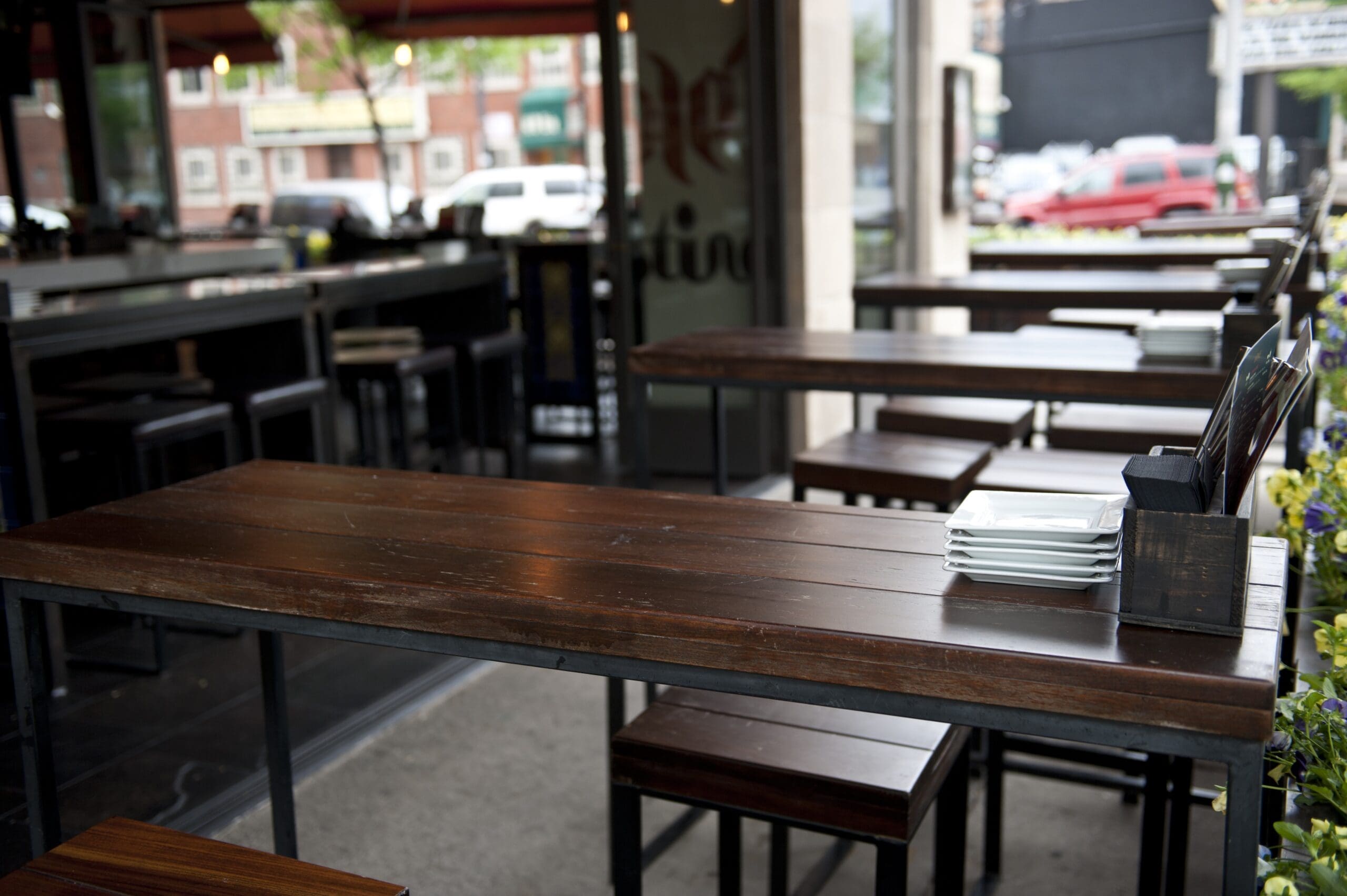
Physical space within these establishments is not left to happenstance; it is deliberately designed to accommodate varying comfort levels. Quiet corners, booths with high backs, and spaced seating options offer refuge from the sensory overload of busy dining rooms. Some venues incorporate outdoor spaces or private dining areas that provide additional tranquility.
This intentional spatial choreography allows guests to choose their comfort zone, fostering an environment where individual needs harmonize with the communal joy of dining.
Embracing Technological Innovations
Innovation often walks hand in hand with inclusion in these restaurants. Some have integrated technology, such as apps that allow pre-ordering with detailed preferences, or augmented reality menus that visually guide guests through their options. Others employ interactive tablets to assist in communication for non-verbal diners, making ordering smoother and more independent.
Such technological enhancements transcend traditional conventions, enabling these eateries to become pioneers in accessible dining.
Community Collaboration and Advocacy
Many autism-friendly restaurants position themselves as more than businesses; they become beacons of advocacy within their communities. Collaborations with autism organizations fuel ongoing training and awareness campaigns, ensuring that their efforts evolve with emerging insights. Events such as sensory-friendly dining nights and workshops provide safe spaces for socialization and learning, enriching both guests and staff.
This dynamic interplay with community partners fosters a ripple effect, encouraging other establishments to embrace similar practices and expanding the circle of inclusion.
Culinary Storytelling: Honoring Diverse Experiences
Beyond accommodating sensory preferences, these restaurants often weave narratives of cultural diversity and personal experience into their menus and décor. Featuring chefs and proprietors who are themselves on the spectrum or closely connected to it introduces authenticity that resonates deeply. The flavors and stories merge, embodying a celebration of identity and the rich tapestry of autism experiences.

Such storytelling through cuisine elevates dining into an act of connection and understanding, inviting guests to savor both food and meaning.
The Ripple Effect: Transforming Dining Culture
Autism-friendly restaurants are at the forefront of a cultural shift that challenges traditional norms of hospitality. Their existence signals a broader recognition of neurodiversity and the imperative to design experiences that embrace difference rather than inhibit it. As these restaurants flourish, they inspire an inclusive ethos that gradually permeates mainstream dining, encouraging restaurants everywhere to reconsider how they serve their patrons.
This cultural renaissance toward empathy and accommodation reflects an encouraging trajectory—one where dining becomes universally accessible and infinitely more humane.
Stories of Impact: Guests Who Found More Than a Meal
For many families and individuals on the autism spectrum, these restaurants are not merely places to eat but spaces to belong. Stories abound of guests who, for the first time, enjoyed a meal outside the home without anxiety or sensory overload. The ripple of these experiences extends to siblings, caregivers, and communities, weaving a fabric of shared joy and acceptance.
These testimonies serve as powerful reminders that thoughtful design and compassionate service can transform lives in profound and lasting ways.
Looking Ahead: The Future of Autism-Friendly Dining
As awareness and appreciation grow, the future holds exciting possibilities for autism-friendly restaurants. Advances in sensory science, technology, and design promise ever more sophisticated accommodations. Moreover, the integration of neurodiversity principles into mainstream hospitality practices suggests a future where accessibility is the norm, not the exception.
The journey continues, fueled by the commitment to create dining experiences that are as nourishing to the soul as they are to the body.
In this evolving narrative, autism-friendly restaurants stand as eloquent testaments to the power of empathy, innovation, and inclusion. They remind us that food, at its best, is not only sustenance but a bridge—connecting us across differences, inviting us to share in moments of comfort, joy, and understanding. Within their walls, every sense is honored, every story valued, and every guest welcomed into a community that truly gets it right.