

Have you ever wondered if the very things that bring joy and curiosity to a child could sometimes also be the sources of their deepest unease? In the intricate world of autistic children, anxiety often looms as a silent adversary, quietly complicating daily experiences that might seem mundane to others. How can caregivers, educators, and loved ones effectively ease this invisible burden and nurture resilience and calm? The challenge is multifaceted, but with thoughtful strategies and compassion, it is entirely possible to transform moments of distress into opportunities for growth and tranquility.
Understanding Anxiety Through the Autistic Lens
Before diving into reduction strategies, it is crucial to grasp how anxiety manifests uniquely in autistic children. Unlike neurotypical peers, sensory sensitivities, difficulties in social communication, and changes in routine can more acutely trigger distress. Anxiety is not merely nervousness; it is a complex interplay of heightened physiological arousal and cognitive overwhelm. For an autistic child, a sudden, loud noise or an unexpected alteration in plans might unleash a cascade of fear and confusion, far beyond what appears obvious.
Recognizing these triggers requires a nuanced approach, paying close attention to subtle cues such as repetitive behaviors, withdrawal, or sudden irritability. This foundational understanding enables tailored interventions that respect the child’s neurodiversity while fostering security.
The Power of Predictability and Structure
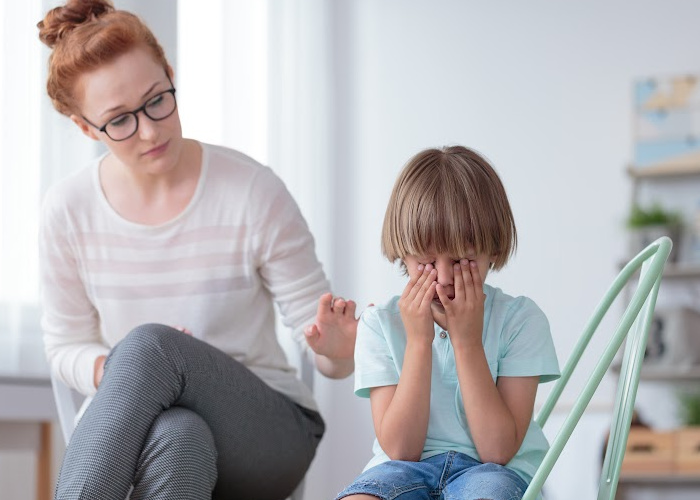
One of the most potent tools for alleviating anxiety lies in creating a predictable environment. Autistic children often find solace in routines, which provide a sense of control and safety. Establishing consistent daily schedules with clear visual supports can significantly diminish the apprehension surrounding uncertainty. Visual timetables, for example, translate abstract concepts of time into tangible formats, helping children anticipate transitions and prepare mentally.
Flexibility within this structure also matters. Preparing children for upcoming changes, even small ones, with gentle rehearsals or social stories preempts anxiety spikes. The goal is not rigidity but a balanced framework that offers both stability and adaptability.
Harnessing Sensory Integration Techniques

Given that sensory sensitivities are often intertwined with anxiety, tailored sensory integration strategies are invaluable. These techniques involve engaging the senses in controlled ways to promote regulation and self-soothing. Items such as weighted blankets, noise-cancelling headphones, or fidget toys can provide calming feedback that mitigates overwhelming stimuli.
More importantly, creating sensory-friendly spaces where children can retreat during moments of distress fosters emotional autonomy. These sanctuaries invite children to connect with their bodies safely and gradually reclaim equilibrium amid chaos.
Communication: The Bridge to Emotional Safety
Effective communication is another essential pillar in reducing anxiety. Autistic children may experience challenges with expressive and receptive language, which can exacerbate feelings of frustration or misunderstanding. Therefore, fostering alternative communication methods, such as picture exchange communication systems (PECS) or assistive technology, enables children to articulate their feelings and needs more clearly.
Moreover, adults should practice active listening and patience, validating emotions even when they defy straightforward explanation. This empathetic stance not only defuses anxiety but also cultivates trust, a foundational element for emotional security.
Mindfulness and Relaxation Practices Adapted for Autistic Children
Incorporating mindfulness and relaxation techniques, thoughtfully adapted, can be remarkably effective. Guided breathing exercises, progressive muscle relaxation, or simple yoga poses recalibrate the nervous system towards parasympathetic calmness. Importantly, these practices should be introduced playfully and incrementally, respecting each child’s unique sensory preferences and endurance.
Creative adaptations, such as storytelling combined with movement or sensory-rich environments, can transform relaxation from a daunting task into an engaging experience. Over time, these tools empower children to self-regulate and reduce anxiety during unforeseen stressors.
Social Skills Support: Reducing Anxiety Through Connection
Social situations often serve as potent anxiety triggers for autistic children. Structured social skills programs can decrease this uncertainty by teaching pragmatic communication, perspective-taking, and emotional recognition in guided settings. Smaller, predictable social groups or one-on-one coaching create safer opportunities to practice these skills without overwhelming stimuli.
Importantly, emphasizing strengths rather than deficits nurtures confidence and motivation. Recognizing and celebrating incremental progress helps diminish fear of social judgment and encourages positive engagement.
The Role of Caregivers and the Environment
Caregivers wield profound influence in shaping supportive environments that mitigate anxiety. Their attunement, consistency, and advocacy are critical. Educating those involved in the child’s care—including teachers, therapists, and family members—ensures a coherent approach across contexts.
Furthermore, encouraging caregivers to model calm behavior and use affirming language provides powerful implicit cues that anxiety can be managed. Collaborative problem-solving, where the child’s input is respected, reinforces autonomy and reduces the helplessness that fuels anxiety.
When Professional Intervention is Necessary
Despite best efforts, some children may require professional support to address severe anxiety. Psychological therapies tailored for autism, such as cognitive-behavioral therapy (CBT) adapted for neurodiversity, show promising results. Medications may be considered judiciously under specialist supervision when anxiety severely impairs functioning.
Importantly, professional interventions should always complement, not replace, holistic and individualized approaches that honor the child’s lived experience and preferences.
Reducing anxiety in autistic children is undoubtedly a nuanced pursuit, demanding patience, creativity, and empathy. Through understanding triggers, establishing structured environments, integrating sensory strategies, fostering communication, and supporting social skills, caregivers can profoundly alleviate anxiety’s grip. Each small victory in this journey not only calms the present but builds resilience for the future. After all, the ultimate aim is to empower autistic children to navigate their world with confidence, serenity, and a joyful sense of possibility.












