Have you ever watched a child with autism navigate the world and wondered, “How do I help them find their voice—or their hands?” The answer often lies in two powerful therapies: speech therapy and occupational therapy. Both play pivotal roles in unlocking potential, yet they do so in distinct ways. One focuses on communication, the other on daily living. One builds bridges with words, the other constructs pathways with action. But which one does your child—or your student, or your client—need most? And what happens when their needs blur the lines between the two?
Autism spectrum disorder (ASD) presents a mosaic of strengths and challenges. Some children struggle to speak, while others speak volumes but can’t tie their shoes. Some flap their hands in joy, while others recoil from the slightest touch. Speech therapy and occupational therapy aren’t just treatments; they’re gateways to participation, connection, and independence. But understanding their roles—and how they intersect—can feel like solving a puzzle with missing pieces. Let’s piece it together.
When Words Fail: The Role of Speech Therapy in Autism
Imagine trying to order your favorite ice cream, but the words won’t come. Or trying to tell your teacher you’re hungry, but only grunts escape. For many children with autism, communication isn’t just difficult—it’s a locked door with no visible key. Speech therapy steps in not just to unlock that door, but to build a whole new language highway.
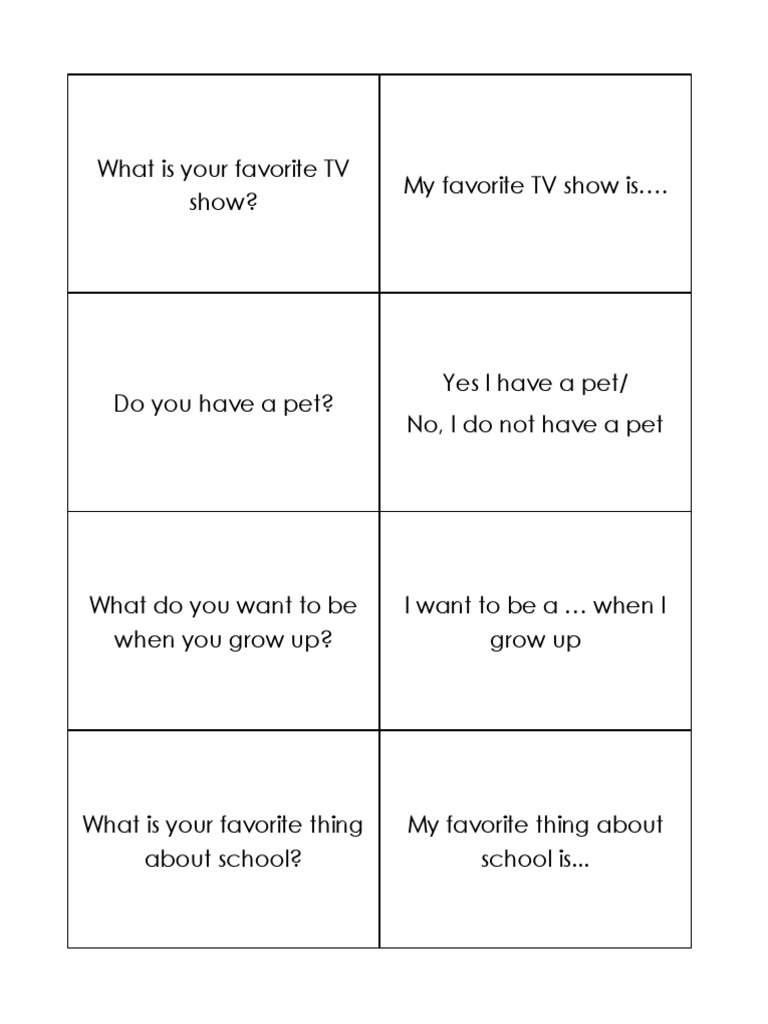
Speech-language pathologists (SLPs) don’t just teach words; they decode the unique ways autistic children express themselves. Some children are nonverbal, relying on gestures, sign language, or augmentative and alternative communication (AAC) devices. Others speak in echolalia—repeating phrases from favorite shows or conversations—without clear intent. SLPs work to transform repetition into purpose, turning “Do you want juice?” into “I want juice, please.”
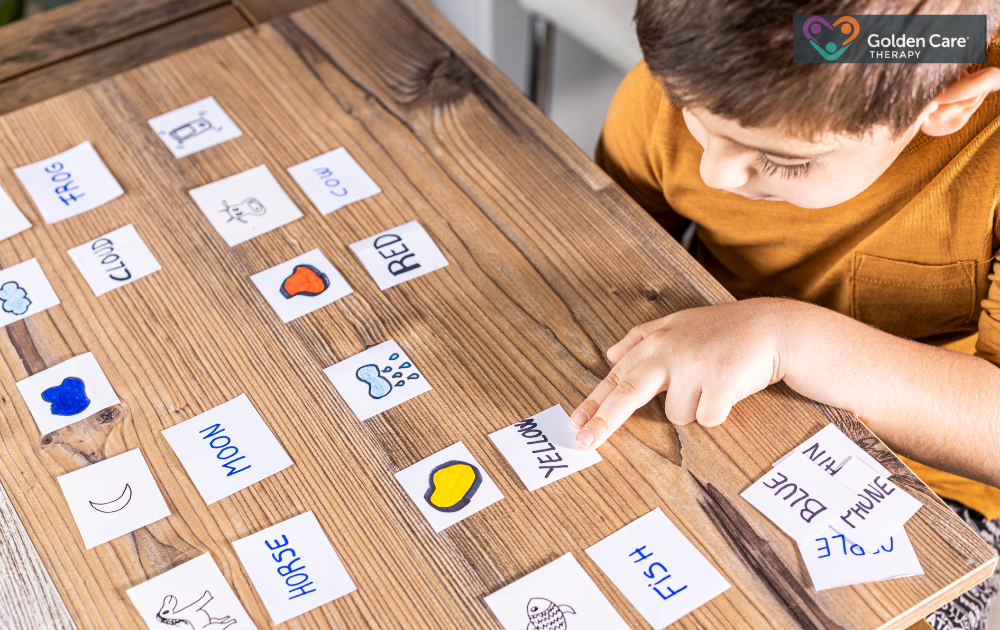
But speech therapy isn’t just about verbal output. It’s about pragmatics—the unspoken rules of conversation. A child might know every word in the dictionary but still struggle to take turns, maintain eye contact, or understand sarcasm. SLPs use games, role-playing, and social stories to teach these invisible scripts. They might practice greetings, ask questions, or even rehearse how to interrupt politely—skills that don’t come naturally but are essential for friendship and inclusion.
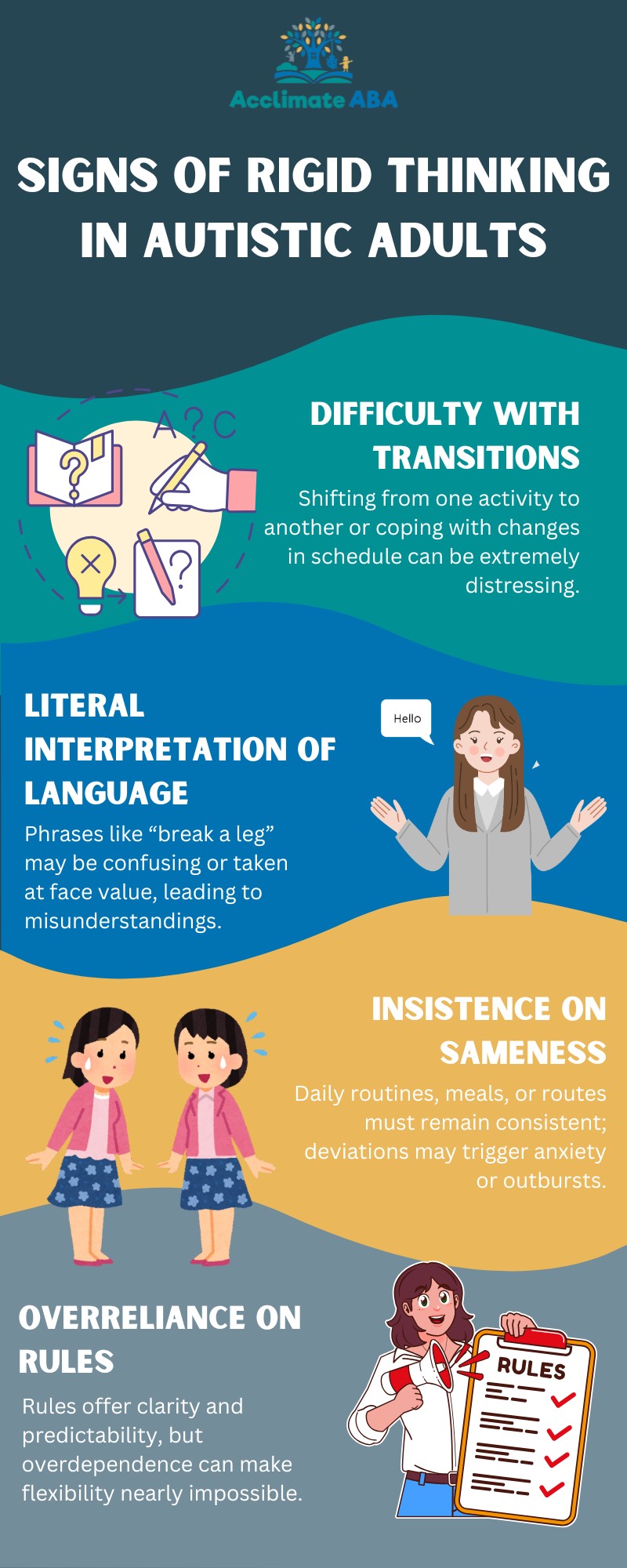
What if the challenge isn’t speaking, but understanding? Many autistic children process language literally. A teacher saying, “It’s raining cats and dogs,” might send them searching for pets. SLPs help bridge this gap by teaching idioms, metaphors, and abstract concepts through visual aids, storytelling, and real-life scenarios. They don’t just correct errors; they build cognitive flexibility.
And then there’s the sensory aspect. Some children with autism are hypersensitive to sound, making speech feel like nails on a chalkboard. Others crave sensory input, speaking loudly or repeating sounds for stimulation. SLPs collaborate with occupational therapists to create environments where communication feels safe and rewarding, not overwhelming.
In essence, speech therapy doesn’t just give children words—it gives them a voice in a world that often demands silence.

When the World Feels Too Loud: The Role of Occupational Therapy in Autism
Now, imagine trying to write your name with hands that won’t stop shaking. Or buttoning a shirt when every thread feels like sandpaper. Or walking into a cafeteria where the clatter of trays and the hum of voices feel like a thunderstorm inside your head. For many autistic children, the world isn’t just challenging—it’s a sensory minefield. Occupational therapy (OT) steps in not to change the child, but to change the environment so they can thrive within it.
Occupational therapists (OTs) are the architects of daily living. They don’t just teach skills; they redesign the stage on which those skills play out. Fine motor challenges—like holding a pencil or using scissors—can make writing feel like climbing Everest. OTs break tasks into bite-sized steps, using adaptive tools, sensory breaks, and playful exercises to build strength and coordination.
But OT isn’t just about hands. It’s about the whole body. Many autistic children struggle with proprioception—the sense of where their body is in space. They might crash into walls, chew on sleeves, or seek deep pressure to feel grounded. OTs use weighted blankets, therapy putty, and movement-based activities to help children feel more secure in their own skin.
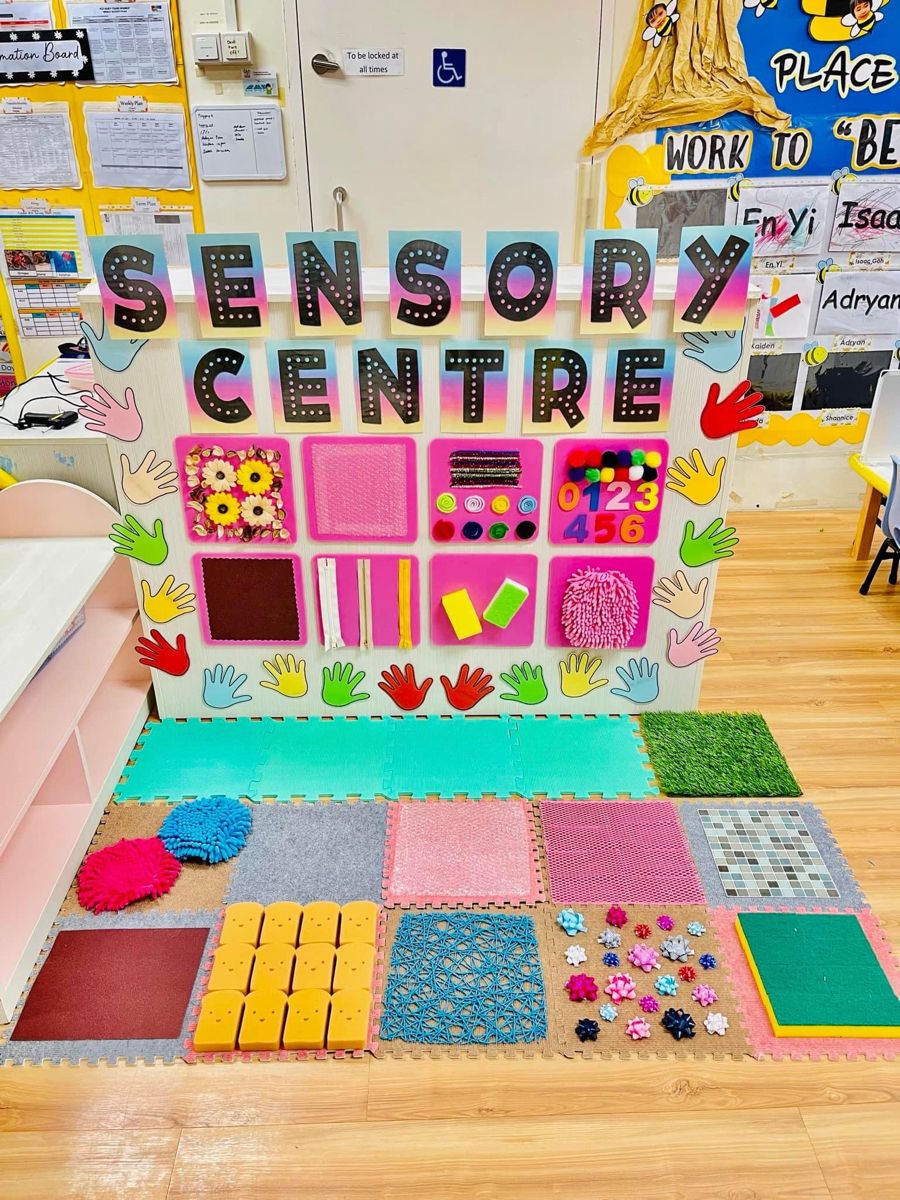
Sensory processing is another cornerstone. Some children are over-responsive to stimuli, flinching at the slightest touch or sound. Others are under-responsive, craving intense input like spinning, jumping, or deep pressure. OTs create sensory diets—personalized plans that incorporate activities to regulate the nervous system. A fidget toy might calm a child during a lesson, while a trampoline break could reset a frustrated mind.
Then there’s the challenge of executive function—the mental skills that help us plan, organize, and adapt. Many autistic children struggle with transitions, time management, or following multi-step directions. OTs use visual schedules, timers, and structured routines to make the unpredictable feel predictable. They might turn a morning routine into a game, where each step unlocks a piece of a puzzle.
What if the issue isn’t sensory or motor, but social? OTs also address play skills, turn-taking, and emotional regulation. They might use puppet shows to teach empathy or obstacle courses to practice cooperation. The goal isn’t to force conformity, but to help children navigate social spaces with confidence.
In short, occupational therapy doesn’t just teach children to function—it teaches the world to meet them where they are.

Where the Paths Converge: When Speech and Occupational Therapy Collide
Here’s the twist: speech therapy and occupational therapy aren’t silos. They’re tributaries flowing into the same river of development. When a child flaps their hands while speaking, is it stimming—or a sign of sensory overload? When they refuse to make eye contact, is it shyness—or a need for visual processing support? The lines blur, and that’s where the magic happens.
Consider a child who struggles to sit still during speech therapy. An OT might introduce a wobble cushion or a fidget tool to help them focus. Conversely, a child who avoids writing might benefit from speech-to-text software, reducing the fine motor demand while still encouraging communication. The therapies aren’t just complementary; they’re symbiotic.
Collaboration between SLPs and OTs is especially critical in addressing feeding challenges. Many autistic children have oral motor difficulties, making eating a battle. SLPs work on tongue strength and swallowing, while OTs address sensory aversions to textures or temperatures. Together, they can expand a child’s diet from chicken nuggets to a rainbow of foods.
Even play therapy becomes a fusion of both disciplines. A child building a tower with blocks might be practicing fine motor skills (OT) while narrating their actions (speech). The therapist might model language (“You stacked the red block on top!”) while also encouraging problem-solving (“What happens if we add another block?”).
The key isn’t to choose one therapy over the other, but to ask: Where does this child need support today? Sometimes it’s communication. Sometimes it’s coordination. Often, it’s both.
Choosing the Right Path: How to Decide What Your Child Needs
So, how do you know whether speech therapy or occupational therapy—or both—is the right fit? Start with observation. Does your child struggle more with words or with actions? Are they verbal but disorganized? Or are they silent but physically restless? A thorough evaluation by a developmental pediatrician or a multidisciplinary team can provide clarity.
Look at their strengths. A child who loves music might respond better to rhythm-based speech therapy, while a child who loves climbing might benefit from OT’s movement-based approach. Strengths are the foundation; therapies build on them.
Consider the environment. A child who thrives in a quiet room might need speech therapy to navigate noisy social settings. A child who melts down during transitions might need OT to create smoother routines. The goal isn’t to change the child, but to change the context around them.
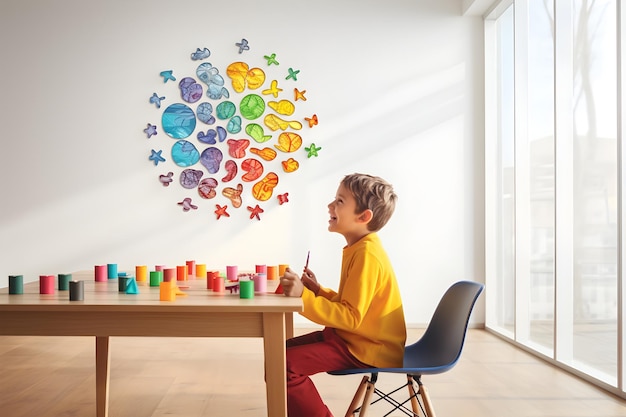
And don’t forget the power of play. Therapy shouldn’t feel like work. Whether it’s blowing bubbles for breath control or finger painting for sensory exploration, the best interventions feel like joy disguised as learning.
Ultimately, the choice isn’t between speech therapy and occupational therapy. It’s about finding the combination that unlocks your child’s unique potential.
The Ripple Effect: How Therapy Transforms Lives Beyond the Clinic
Therapy doesn’t end when the session does. The skills children learn in speech and occupational therapy ripple outward, touching every corner of their lives. A child who learns to ask for help can advocate for themselves in school. A child who masters self-regulation can sit through a movie without melting down. A child who communicates—whether through words, signs, or gestures—can finally say, “I’m here.”
Parents and caregivers are the unsung heroes in this journey. They’re the ones who carry the strategies into bath time, grocery shopping, and bedtime stories. They’re the ones who celebrate small victories—a first word, a button buttoned, a hug without flinching. Therapy provides the tools; love provides the context.
And what about the children who don’t fit neatly into boxes? The ones who need both therapies, or neither, or something entirely different? That’s the beauty of autism—it’s not a one-size-fits-all condition. It’s a spectrum, and every child is a universe unto themselves. The goal isn’t to force conformity, but to help each child shine in their own way.
So, back to the original question: How do you help a child with autism find their voice—or their hands? The answer isn’t to choose between speech therapy and occupational therapy. It’s to recognize that both are vital threads in the tapestry of support. One gives words. The other gives wings. Together, they don’t just change lives—they redefine what’s possible.
In a world that often demands perfection, therapy reminds us that progress isn’t linear. It’s messy, unpredictable, and deeply human. And that’s where the real magic lies.