In the labyrinth of human expression, where words often falter like flickering candle flames in a storm, nonverbal autistic individuals navigate a world that demands articulation yet offers few tools to articulate. Communication, that most primal of human bonds, becomes a puzzle—one that demands not just patience, but ingenuity. The digital age, with its infinite corridors of innovation, has unfurled a lifeline: communication apps, meticulously crafted bridges between silence and understanding. These aren’t mere tools; they are symphonies of symbols, orchestras of icons, and canvases of customization, each designed to unlock the unspoken. Here, we explore the best of these digital allies, each a testament to how technology can transform isolation into connection.
The Silent Symphony: Why Communication Apps Resonate
Imagine a language where words are not spoken but painted—where a single tap on a screen conjures entire sentences, emotions, and needs. For nonverbal autistic individuals, communication apps are not just functional; they are transformative. They shatter the barriers of traditional speech, offering a voice that is both immediate and infinitely adaptable. These apps are more than pixels and code; they are the alchemists of expression, turning abstract thoughts into tangible, shareable forms. The resonance lies in their ability to mirror the user’s inner world with precision, allowing emotions to flow like rivers rather than trickle like raindrops.
Consider the metaphor of a musical instrument. A piano, with its eighty-eight keys, can produce an entire symphony, yet each note is simple to strike. Similarly, communication apps provide a vast array of “keys”—from pictograms to text-to-speech—each accessible with a touch. The beauty is in the customization: the user doesn’t need to conform to a rigid language system but can sculpt one that fits their unique cognitive landscape. This adaptability is the cornerstone of their appeal, making them not just tools, but extensions of the self.
The Visual Lexicon: PECS and Symbol-Based Systems
At the heart of many communication apps lies the power of visuals. Picture Exchange Communication System (PECS) and symbol-based platforms like Proloquo2Go or TouchChat harness the brain’s innate ability to process images faster than words. For nonverbal individuals, these systems are akin to a secret code—one that unlocks doors to interaction without the pressure of verbal articulation. A single image, such as a smiling face or a steaming cup of tea, can convey volumes, reducing the cognitive load of constructing sentences from scratch.
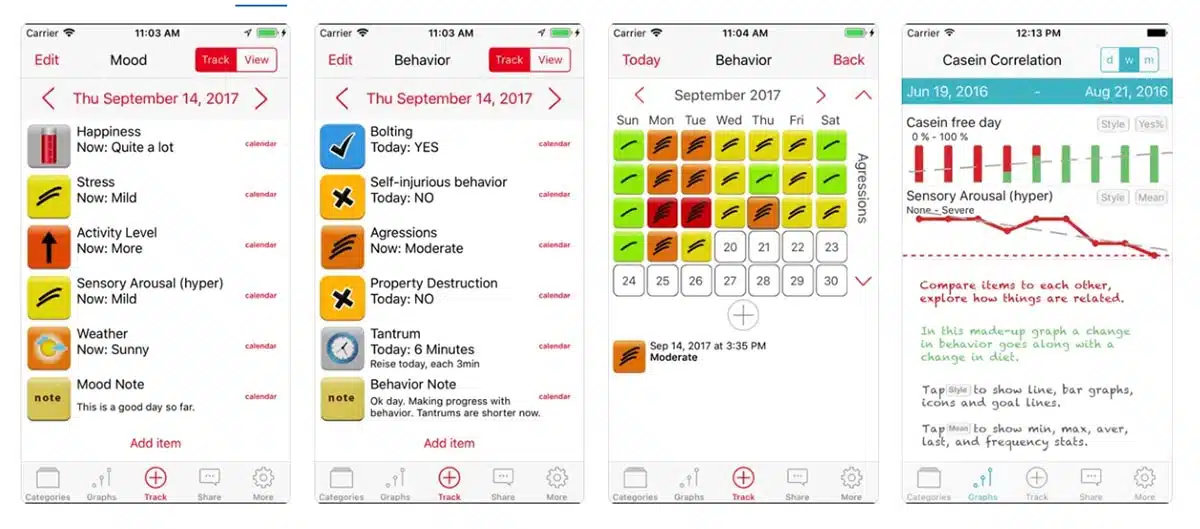
The genius of these systems lies in their scalability. Beginners might start with a handful of core images—food, bathroom, happy, sad—while advanced users can expand to complex sentences and narratives. The apps often include features like categorization, where images are grouped by context (e.g., “food,” “activities,” “emotions”), making retrieval as intuitive as flipping through a well-organized photo album. This visual lexicon doesn’t just communicate needs; it fosters independence, allowing users to navigate their world with confidence.
Text-to-Speech: The Alchemist of Voice
What if silence could speak? Text-to-speech (TTS) technology is the answer—a digital alchemist that transmutes typed words into audible voices. Apps like SpeakIt! or Voice Dream Reader don’t just read text aloud; they give nonverbal individuals a voice that is uniquely theirs. The magic lies in the customization: users can select from a range of synthetic voices, adjusting pitch, speed, and tone to match their preferences. Some apps even allow for voice banking, where a user’s own recorded voice is used to generate speech, preserving the authenticity of their expression.
TTS is more than a functional tool; it’s a bridge to social integration. Imagine a child using an app to say, “I want the blue ball,” during playtime, or an adult ordering coffee with the tap of a screen. The voice becomes a passport to participation, dissolving the frustration of being misunderstood. Yet, the true elegance of TTS lies in its subtlety—it doesn’t demand perfection, only clarity. A slightly robotic tone is irrelevant when the message is delivered with precision.
Social Stories and Narrative Builders: Crafting the Inner Monologue
Communication is not just about expressing needs; it’s about sharing stories, dreams, and fears. Apps like StoryBuilder or Social Stories Creator provide a canvas for narrative construction, allowing users to weave their experiences into coherent, shareable formats. These tools are particularly valuable for autistic individuals who think in pictures or patterns, as they transform abstract thoughts into structured, visual narratives.
Consider the metaphor of a storyteller’s scroll, unrolling to reveal a tale. Social stories apps work similarly, guiding users through the arc of a narrative—whether it’s recounting a day at school or preparing for a new experience. The apps often include templates for common scenarios, but their true power lies in customization. Users can add personal photos, drawings, or symbols, making each story a unique reflection of their inner world. This not only aids in communication but also fosters emotional resilience, as users learn to articulate their feelings in a safe, controlled environment.
Gamification and Engagement: The Playful Path to Fluency
Learning to communicate is not a chore; it can be a game. Gamified communication apps like Avaz or CoughDrop turn the process of building language skills into an interactive adventure. These apps use rewards, levels, and challenges to motivate users, transforming practice into play. For nonverbal autistic individuals, who may struggle with traditional learning methods, gamification provides a low-pressure, high-reward pathway to fluency.
The appeal of these apps lies in their ability to make progress feel like achievement. A user might unlock a new symbol set after completing a series of tasks, or earn badges for consistent use. The gamification isn’t just about entertainment; it’s about reinforcing positive behaviors and building confidence. It’s a reminder that communication is not a burden but a journey—one that can be as enjoyable as it is transformative.

Customization: The Art of Tailoring Language
No two autistic individuals are alike, and neither are their communication needs. The best apps recognize this, offering deep customization options that allow users to shape their language experience. From adjusting icon sizes to creating personalized symbol sets, these tools ensure that the app is not a rigid system but a flexible extension of the user’s mind.
Customization extends beyond visuals. Many apps allow users to adjust the complexity of sentences, the speed of speech output, or even the layout of the interface. For someone who processes information slowly, a cluttered screen is a barrier; for another, a minimalist design might feel sterile. The ability to tailor these elements ensures that the app is not just functional but intuitive—a silent partner in the dance of expression.
The Ripple Effect: How Communication Apps Transform Lives
The impact of these apps extends far beyond the individual. When a nonverbal autistic person gains the ability to communicate, the ripple effects are profound. Families find relief from the constant guessing game of unmet needs. Teachers witness breakthroughs in classroom participation. Peers discover new ways to connect, forging friendships that transcend the limitations of traditional speech. The apps become catalysts for inclusion, breaking down the walls of isolation that have long defined the nonverbal experience.
Yet, the true magic lies in the intangible. A parent might hear their child say, “I love you,” for the first time—not with words, but with the tap of a screen. An adult might share a joke or a story, not through spoken language, but through a carefully constructed sentence in an app. These moments are not just milestones; they are revelations, proof that communication is not confined to the spoken word but is a tapestry woven from countless threads of expression.
The journey of finding the right communication app is deeply personal, a quest for a tool that feels like an extension of the self. It’s about more than functionality; it’s about finding a voice that resonates. For nonverbal autistic individuals, these apps are not just aids—they are lifelines, bridges, and mirrors, reflecting the boundless potential of human connection. In a world that often demands words, they offer something far more precious: the freedom to be understood, exactly as you are.