In the quiet hum of a therapy room, a golden retriever named Luna sits patiently beside a child with autism, her presence a silent promise of comfort. The child, who once struggled to articulate emotions or engage with others, now reaches out to stroke Luna’s fur, a small but profound act of connection. This scene is not an anomaly but a testament to the transformative power of animal-assisted therapy (AAT) for autistic individuals. As we delve into this topic, we uncover how animals—whether dogs, horses, or even dolphins—can become bridges to emotional expression, social interaction, and overall well-being.
The Science Behind Animal-Assisted Therapy for Autism
Animal-assisted therapy isn’t merely anecdotal; it’s rooted in neuroscience and psychology. Studies have shown that interactions with animals can stimulate the release of oxytocin, often called the “love hormone,” which fosters trust and bonding. For autistic individuals, who may experience challenges in social communication, this biochemical response can be a game-changer. Research from the Journal of Autism and Developmental Disorders indicates that AAT can reduce cortisol levels—the hormone associated with stress—while simultaneously increasing serotonin and dopamine, neurotransmitters linked to mood regulation and motivation.
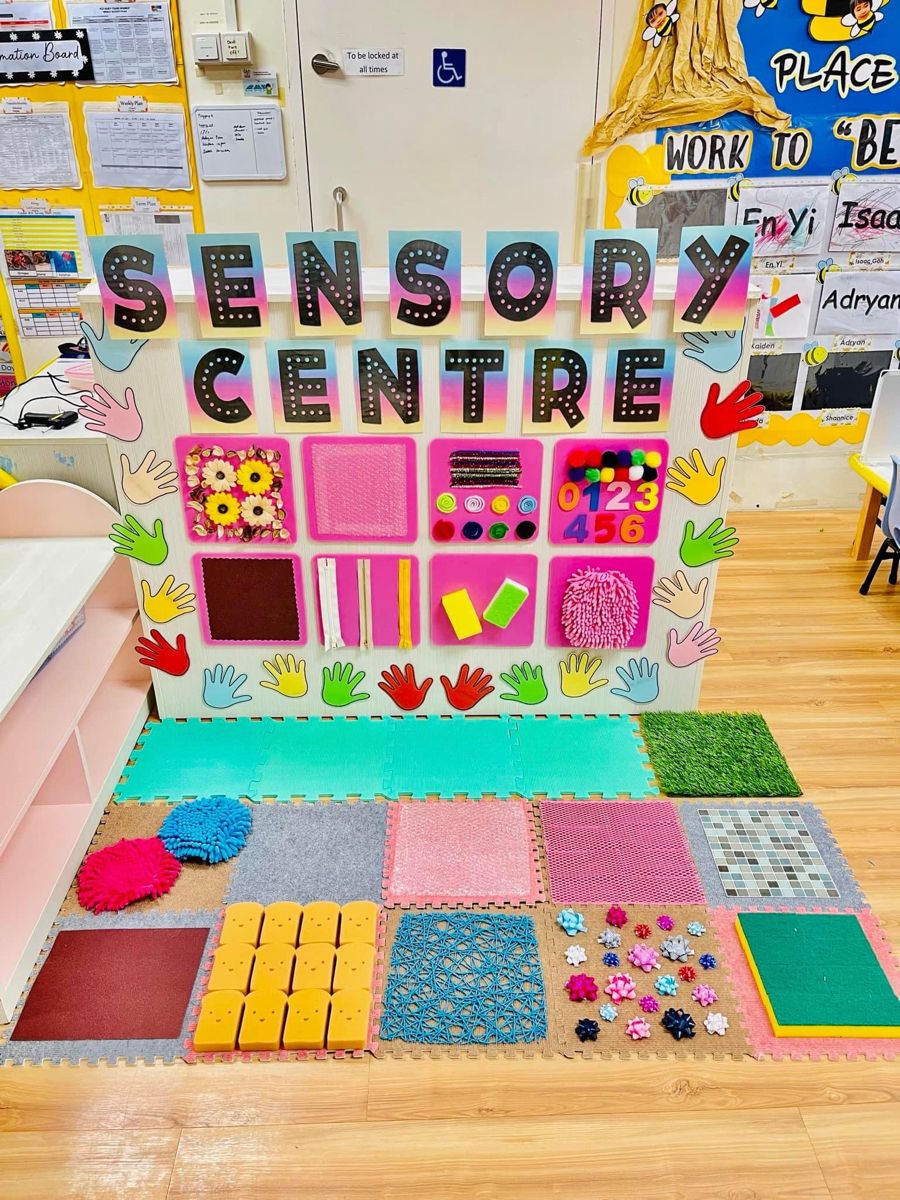
The tactile experience of petting an animal also provides sensory input that can be grounding for those with autism. The rhythmic motion of a horse’s gait, for instance, can mimic the calming effect of a rocking chair, helping to regulate sensory overload. Meanwhile, the non-judgmental nature of animals offers a safe space for autistic individuals to practice social cues without the pressure of human expectations. This dual benefit—emotional and sensory—makes AAT a uniquely effective intervention.
Dogs: The Unwavering Companions in Autism Therapy
Dogs are the most common therapy animals, and for good reason. Their loyalty, trainability, and intuitive nature make them ideal partners for autistic children and adults alike. A well-trained therapy dog can be taught to respond to specific cues, such as interrupting repetitive behaviors or providing deep-pressure therapy through leaning against the individual. For a child who struggles with verbal communication, a dog’s ability to listen without interruption can be profoundly validating.
Consider the case of a nonverbal autistic teenager who, after months of therapy with a golden retriever, began to vocalize simple words. The dog’s presence acted as a catalyst, lowering the teenager’s anxiety and creating an environment where communication felt less daunting. Dogs also excel in social facilitation. Their mere presence can spark conversations between autistic individuals and their peers, breaking down social barriers that might otherwise feel insurmountable.
Moreover, dogs can be trained to perform tasks that address specific autistic challenges. For example, a service dog might be taught to interrupt self-harming behaviors or guide an individual away from overwhelming sensory environments. The bond between a therapy dog and its human counterpart is not just therapeutic—it’s transformative, offering a sense of security and companionship that can last a lifetime.
Equine Therapy: Riding Toward Emotional Growth
Horses, with their majestic presence and intuitive sensitivity, are another powerful tool in autism therapy. Equine-assisted therapy (EAT) leverages the horse’s ability to mirror human emotions, providing immediate feedback to the rider. For an autistic individual, this feedback loop can be a revelation. A horse that refuses to move forward may signal to the rider that they need to adjust their posture or calm their breathing, teaching self-awareness in real time.
The physical act of riding also engages core muscles, improving balance and coordination—skills that can be challenging for some autistic individuals. Yet the benefits extend far beyond the physical. Horses are prey animals, inherently attuned to their surroundings and the emotions of those around them. This sensitivity makes them exceptional at detecting subtle shifts in mood or behavior, allowing them to respond to the needs of their riders in ways that humans often cannot.
One remarkable example involves a young boy with autism who struggled with emotional regulation. Through equine therapy, he learned to recognize his frustration when the horse didn’t respond as expected. Over time, he developed strategies to manage his emotions, transferring these skills to his interactions with people. The horse became not just a therapist but a teacher, guiding him toward emotional resilience.
Beyond Dogs and Horses: The Unexpected Allies in Therapy
While dogs and horses dominate the conversation around animal-assisted therapy, other animals also play a role in supporting autistic individuals. Dolphins, for instance, have been used in aquatic therapy programs to encourage social interaction and reduce anxiety. The buoyancy of water combined with the playful nature of dolphins creates an environment where autistic children feel safe to explore movement and communication.
Even smaller animals, like guinea pigs or rabbits, can serve as therapy animals for those who may feel overwhelmed by larger creatures. The gentle, predictable nature of these animals makes them ideal for individuals with sensory sensitivities. In one program, a nonverbal autistic child began to hum while holding a guinea pig, a spontaneous act of joy that marked a significant breakthrough in his therapy.
The key lies in matching the animal to the individual’s needs. For someone who craves deep pressure, a large, sturdy dog might be ideal. For another who thrives on gentle, rhythmic interactions, a horse or even a cat could be the perfect fit. The versatility of animal-assisted therapy ensures that there’s an option for nearly every autistic individual, regardless of their unique challenges.
Real-Life Transformations: Stories of Change
The true power of animal-assisted therapy lies in its ability to create real-world change. Take the story of a five-year-old girl with autism who refused to make eye contact and often withdrew into her own world. After just a few sessions with a therapy dog, she began to initiate interactions, first by petting the dog and eventually by sharing stories about her day. Her parents, initially skeptical, were astonished by the progress. “It was as if the dog gave her permission to be herself,” her mother recalled.
In another instance, a teenager with autism who struggled with severe anxiety found solace in equine therapy. The horse’s calm demeanor helped him regulate his breathing and heart rate, reducing his panic attacks. Over time, he gained the confidence to participate in group activities, something he had avoided for years. These stories are not isolated incidents but part of a growing body of evidence that AAT can unlock potential in ways traditional therapies cannot.
The Future of Animal-Assisted Therapy in Autism Treatment
As research continues to validate the benefits of animal-assisted therapy, its integration into mainstream autism treatment is becoming more widespread. Schools, clinics, and even some hospitals now offer AAT programs, recognizing the unique value animals bring to therapeutic settings. The future may see even more innovative approaches, such as virtual reality combined with animal interactions or the use of robotic animals for those who cannot tolerate live ones.
Yet, despite its growing acceptance, AAT is not a one-size-fits-all solution. It requires careful planning, trained professionals, and a deep understanding of both the animal’s welfare and the individual’s needs. When implemented thoughtfully, however, it has the potential to revolutionize autism therapy, offering a path to connection, growth, and healing that transcends traditional methods.
The bond between humans and animals is ancient, woven into the fabric of our history as a species. For autistic individuals, this bond can be a lifeline—a way to navigate a world that often feels overwhelming. Whether it’s the steady gaze of a therapy dog, the rhythmic motion of a horse’s gait, or the playful antics of a dolphin, animals have a way of meeting people where they are, offering comfort, challenge, and ultimately, transformation. In the journey of autism, they are not just companions; they are catalysts for change.