Autism and Adaptive Clothing: What to Look For
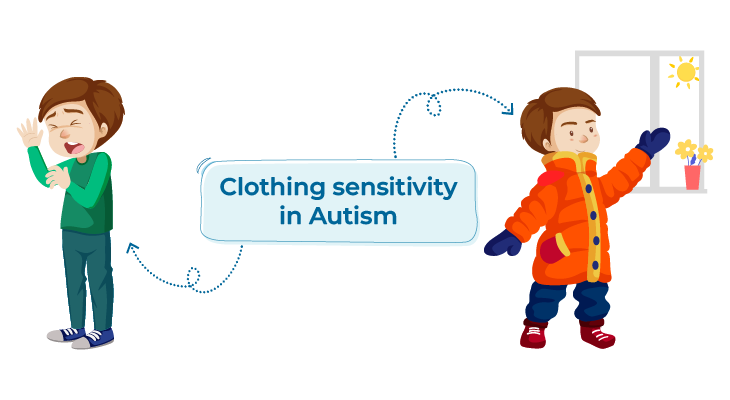
Sensory experiences shape the world for autistic individuals in ways that often remain invisible to the neurotypical gaze. A tag that scratches, a seam that digs, or fabric that clings too tightly can transform an ordinary day into a battleground of discomfort. Clothing sensitivity in autism is not merely a preference—it is a profound intersection of neurology and environment, where the tactile world becomes an unrelenting force. Adaptive clothing emerges not as a luxury, but as a necessity, offering a bridge between the body’s needs and the external world’s demands. Understanding what to look for in adaptive clothing requires more than surface-level awareness; it demands an appreciation of the intricate ways sensory processing shapes daily life.
Adaptive clothing transcends conventional fashion by prioritizing function over form, yet this does not preclude elegance or personal expression. The challenge lies in reconciling the dual imperatives of comfort and style, a task that demands both innovation and empathy. For autistic individuals, clothing is not just fabric draped over skin—it is armor, a second skin that either shields or suffocates. The right adaptive garment can mitigate sensory overload, reduce anxiety, and restore a sense of autonomy. Conversely, poorly designed clothing can amplify distress, turning a simple act of dressing into a source of profound unease.
The Sensory Landscape: Why Clothing Matters in Autism
Sensory processing differences are a hallmark of autism, with tactile sensitivity ranking among the most pervasive. Many autistic individuals experience hyper- or hypo-sensitivity to textures, temperatures, and pressures, making everyday clothing a potential source of irritation. A wool sweater might feel like sandpaper, while a synthetic blend could cling unnervingly to the skin. These reactions are not merely inconveniences; they can disrupt focus, escalate stress, and even trigger meltdowns. The tactile world, for some autistic people, is a minefield of unpredictable sensations.
Beyond texture, the fit of clothing plays a critical role in sensory regulation. Seams, waistbands, and collars can become focal points of discomfort, their presence a constant reminder of the body’s boundaries—or lack thereof. For those with proprioceptive differences, the weight and pressure of clothing can either ground them or leave them feeling unmoored. Adaptive clothing addresses these challenges by incorporating features such as seamless construction, adjustable closures, and stretchable fabrics that conform to the body without constriction. The goal is not to erase sensation entirely, but to refine it into something manageable, even soothing.
Temperature regulation is another often-overlooked aspect of clothing sensitivity. Many autistic individuals struggle with thermoregulation, experiencing extremes of heat or cold more intensely than neurotypical peers. Fabrics that wick moisture or provide breathable ventilation can make the difference between comfort and distress. Similarly, clothing that allows for easy layering or removal empowers individuals to adapt to changing environments, reducing the cognitive load of managing sensory input.
Key Features to Prioritize in Adaptive Clothing
When selecting adaptive clothing, certain features stand out as non-negotiable for addressing sensory and practical needs. Seamless construction is paramount, as traditional seams can create raised ridges that irritate sensitive skin. Look for garments labeled as “seamless” or “flatlock-sewn,” which minimize friction and reduce the risk of chafing. These designs are particularly beneficial for individuals who wear clothing for extended periods or have conditions that heighten skin sensitivity.
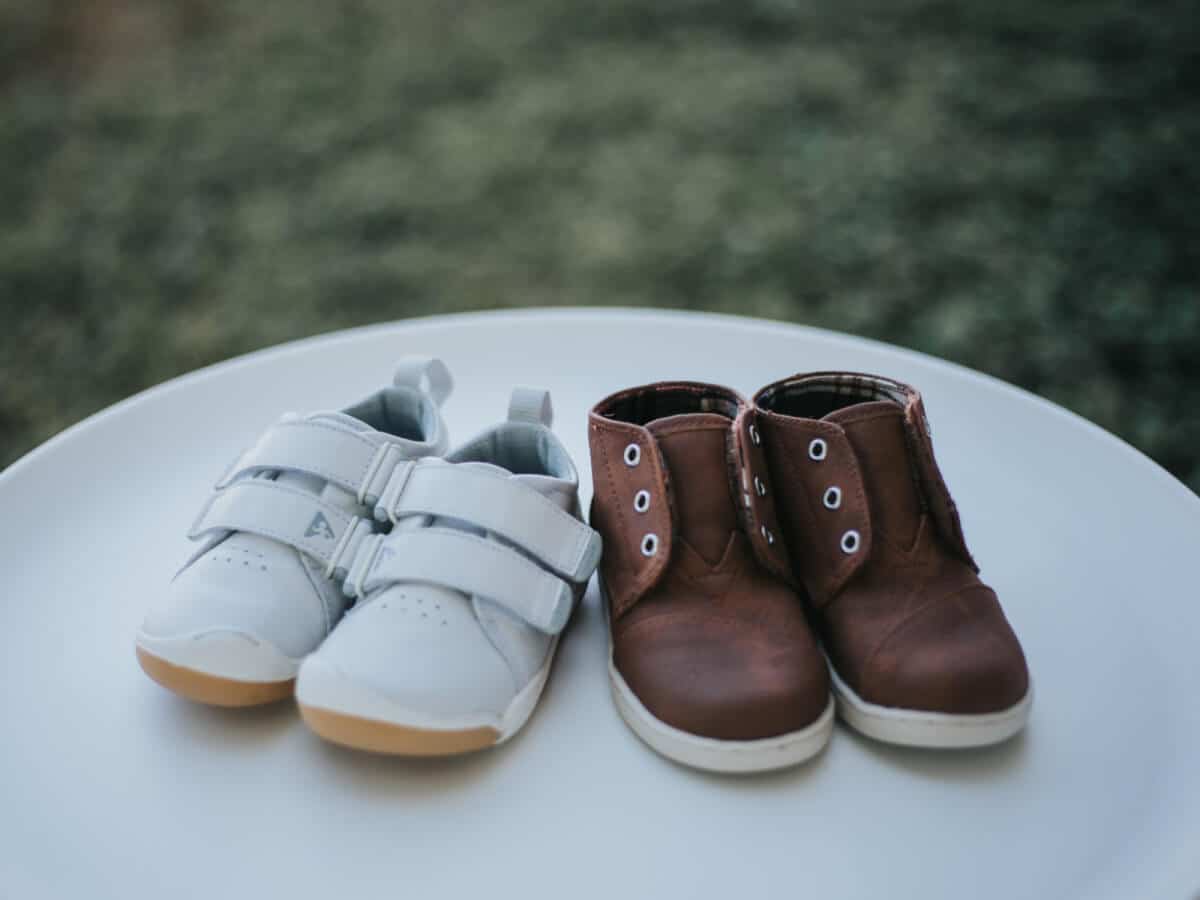
Adjustable closures are another critical element. Buttons, zippers, and snaps can be sources of frustration, especially for those with fine motor challenges or tactile defensiveness. Magnetic closures, Velcro strips, or even pull-on designs eliminate the need for precise finger movements while ensuring a secure fit. For individuals who struggle with the pressure of tight waistbands, adjustable drawstrings or elasticized waists provide a customizable solution without sacrificing comfort.
Fabric choice is equally vital. Natural fibers like organic cotton or bamboo are breathable and gentle on the skin, while moisture-wicking synthetics can help regulate body temperature. Avoid fabrics with rough textures or excessive stiffness, as these can exacerbate sensory discomfort. For those who are particularly sensitive to temperature fluctuations, consider garments with thermal regulation properties, such as those infused with phase-change materials that adapt to body heat.
Ease of dressing is a feature often overlooked in conventional clothing but essential for adaptive wear. Front-opening designs, one-piece jumpsuits, and magnetic fastenings simplify the process of putting on and taking off clothing, reducing frustration and dependence on assistance. For individuals who experience motor planning challenges, clothing that requires minimal manipulation—such as slip-on styles or garments with large, easy-to-grasp openings—can be transformative.
Beyond Sensory Comfort: Practical Considerations for Daily Life
Adaptive clothing is not solely about sensory relief; it also addresses practical challenges that autistic individuals may face in their daily routines. For those who experience executive dysfunction, the act of choosing an outfit can be paralyzing. Adaptive clothing simplifies this process by offering limited, intentional choices that prioritize ease and comfort. A capsule wardrobe of adaptive pieces ensures that every item is versatile, durable, and suited to the individual’s needs, eliminating the need for exhaustive decision-making.
Durability is another key consideration. Many autistic individuals engage in repetitive movements or behaviors that can accelerate wear and tear on clothing. Fabrics that are reinforced at stress points—such as knees, elbows, or seams—extend the lifespan of garments, reducing the need for frequent replacements. Additionally, clothing that is easy to clean and maintain minimizes the burden of laundry, a task that can be overwhelming for those with executive function challenges.
For individuals who attend school, work, or social settings, adaptive clothing can also serve as a tool for blending in or standing out, depending on preference. Discreet adaptive features—such as hidden magnetic closures or seamless designs—allow for a polished appearance without drawing attention to the garment’s functional aspects. Conversely, bold patterns or colors can be incorporated to reflect personal style, ensuring that adaptive clothing is not synonymous with a lack of aesthetic appeal.
The Psychological Impact: Clothing as a Source of Empowerment
The right clothing can do more than provide physical comfort; it can foster a sense of agency and self-assurance. For autistic individuals, who often navigate a world that does not accommodate their sensory or cognitive needs, adaptive clothing can be a tangible expression of autonomy. The ability to dress independently, without assistance or discomfort, bolsters confidence and reduces reliance on others. This newfound freedom can ripple outward, influencing social interactions, academic performance, and overall well-being.
Clothing also plays a role in identity formation and self-expression. Autistic individuals, like anyone else, deserve the opportunity to curate a wardrobe that reflects their personality and preferences. Adaptive clothing brands that prioritize inclusivity and creativity are breaking down the stigma that functional clothing must be devoid of style. From vibrant prints to sleek, minimalist designs, adaptive fashion is redefining what it means to dress with intention and flair.
The psychological benefits of adaptive clothing extend beyond the individual to their caregivers and support networks. Families and educators often grapple with the stress of managing sensory sensitivities, and adaptive clothing can alleviate some of this burden. When a child or loved one can dress independently and comfortably, it reduces anxiety for everyone involved, fostering a more harmonious home or classroom environment.
Navigating the Market: What to Look for in Adaptive Clothing Brands
As the demand for adaptive clothing grows, so too does the market for specialized brands and retailers. When evaluating adaptive clothing options, consider the brand’s commitment to inclusivity, quality, and innovation. Look for companies that collaborate with autistic individuals or sensory experts to design their products, ensuring that the garments address real-world needs. Transparency in fabric sourcing, manufacturing processes, and customer feedback is also a hallmark of reputable brands.
Price point is another factor to weigh. While adaptive clothing can be more expensive than conventional options due to specialized materials and construction, it is an investment in long-term comfort and functionality. Some brands offer subscription services or discounts for bulk purchases, making adaptive clothing more accessible. Additionally, non-profit organizations and advocacy groups may provide resources or grants to help offset costs.
Customer reviews and testimonials are invaluable when assessing the effectiveness of adaptive clothing. Seek out feedback from individuals with similar sensory profiles or needs, as their experiences can provide insight into how a garment performs in real-life scenarios. Pay attention to details such as durability, ease of use, and whether the clothing meets the advertised sensory-friendly claims.
Future Innovations: The Evolving Landscape of Adaptive Fashion
The future of adaptive clothing is brimming with potential, as designers and engineers explore new materials and technologies to enhance comfort and functionality. Smart fabrics that adapt to temperature changes, garments embedded with sensory feedback systems, and 3D-printed clothing tailored to individual body shapes are just a few of the innovations on the horizon. These advancements promise to further blur the line between adaptive and conventional fashion, making functional clothing indistinguishable from stylish attire.
Another exciting development is the rise of customizable adaptive clothing. With advancements in digital printing and on-demand manufacturing, individuals can now design garments that cater to their specific sensory and aesthetic preferences. This level of personalization ensures that adaptive clothing is not a one-size-fits-all solution, but a tailored response to unique needs.
The growing awareness of sensory processing differences is also driving change in mainstream fashion. Major brands are beginning to incorporate adaptive features into their collections, signaling a shift toward greater inclusivity. While there is still progress to be made, the momentum is undeniable, and the future of adaptive clothing looks brighter than ever.
Adaptive clothing is more than a trend; it is a revolution in how we perceive comfort, autonomy, and self-expression. For autistic individuals, it represents a lifeline—a way to navigate a world that often feels overwhelming. By prioritizing sensory-friendly designs, practical features, and inclusive aesthetics, adaptive clothing empowers individuals to reclaim their agency and embrace their identities with confidence. The right garment can transform not just an outfit, but an entire day, turning discomfort into comfort and frustration into freedom.