Autism and International Travel: Navigating New Cultures
Traveling across borders is a symphony of sensory input—each city a crescendo of unfamiliar sounds, each marketplace a kaleidoscope of vibrant hues. For neurodivergent individuals, particularly those with autism, this symphony can quickly become a cacophony, overwhelming the senses and disrupting the rhythm of exploration. Yet, the allure of international travel remains undiminished. It is a journey not just of physical distance, but of cultural immersion, where the unfamiliar becomes a canvas for growth. To navigate this terrain, one must approach it with the precision of a cartographer charting uncharted waters, armed with strategies that transform potential chaos into a harmonious experience.
The key lies in preparation, a meticulous orchestration of details that transforms the unpredictable into the manageable. Before embarking on such a voyage, it is essential to research the destination with the scrutiny of a detective piecing together clues. What are the local customs? Are there sensory triggers—loud markets, bustling streets—that could overwhelm? Understanding these nuances allows for the creation of a tailored itinerary, one that balances exploration with respite. For instance, visiting a museum during off-peak hours or seeking out quiet parks can provide a sanctuary from the sensory onslaught. The goal is not to avoid the world, but to engage with it on terms that are sustainable and enriching.
Cultural Cartography: Mapping the Unfamiliar
Every culture has its own rhythm, a unique cadence that dictates social interactions, communication styles, and even the pace of daily life. For someone with autism, decoding these rhythms can feel like learning a new language without a dictionary. The challenge is not just in understanding the words, but in interpreting the unspoken cues—the subtle shifts in tone, the pauses that carry meaning, the gestures that convey intent. This is where cultural cartography comes into play, a method of mapping out the social landscape before setting foot on foreign soil.
Begin by identifying the cultural norms that may differ from what one is accustomed to. In some cultures, direct eye contact is a sign of respect; in others, it may be perceived as confrontational. Personal space varies dramatically—what feels comfortable in one country might be intrusive in another. Even dining etiquette can be a minefield; in Japan, slurping noodles is acceptable, while in many Western countries, it might draw stares. By familiarizing oneself with these customs, the traveler can navigate interactions with greater confidence, reducing the anxiety that comes from unintentional missteps.
Technology can be a powerful ally in this endeavor. Translation apps, social stories, and even virtual reality simulations can provide a preview of what to expect. Imagine walking through the streets of Marrakech via a VR headset, observing the vibrant chaos of the souks, the calls of vendors, the scent of spices in the air—all from the safety of home. Such tools demystify the unknown, turning potential stressors into familiar landscapes. The more one can rehearse the journey mentally, the smoother the actual experience will unfold.
The Art of Sensory Stewardship
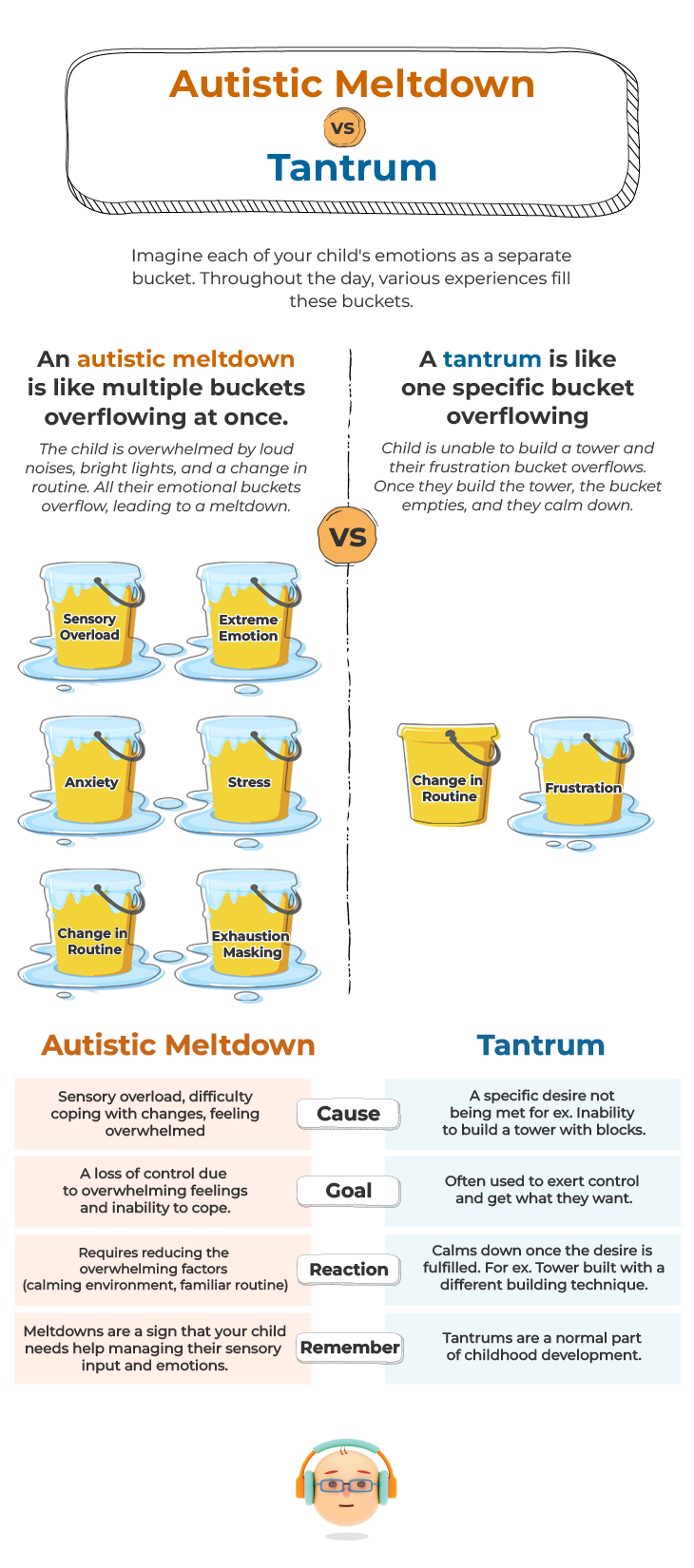
Sensory overload is the invisible barrier that often prevents autistic individuals from fully embracing travel. Airports, with their blaring announcements, fluorescent lighting, and crowded terminals, can feel like a sensory prison. Yet, with careful planning, these spaces can be transformed into navigable environments. Noise-canceling headphones become a shield against the auditory assault, while sunglasses or a wide-brimmed hat can mitigate the glare of harsh lighting. Compression clothing, designed to provide gentle pressure, can offer a sense of grounding in overwhelming situations.
The choice of destination also plays a critical role in sensory stewardship. Some cities are inherently more accommodating than others. Reykjavik, for example, is known for its tranquility, with wide-open spaces and a slower pace of life. Kyoto, with its serene temples and meticulously designed gardens, offers pockets of calm amidst the urban sprawl. Conversely, cities like Bangkok or New York, with their relentless energy, may require more strategic planning—perhaps limiting visits to quieter neighborhoods or scheduling downtime in hotel rooms equipped with familiar comforts.
Food is another sensory frontier. For those with texture aversions or strong preferences, international travel can feel like a culinary minefield. The solution lies in flexibility and creativity. Researching restaurants in advance, reading reviews from fellow travelers with similar sensory needs, and even packing familiar snacks can provide a sense of security. In some cases, it may be possible to request modifications to dishes—many cuisines are adaptable if the chef is given clear instructions. The goal is not to eliminate all discomfort, but to create a balance where exploration can occur without sacrificing well-being.

Communication: The Bridge Across Divides
Language barriers are a well-documented challenge in international travel, but for autistic individuals, the issue extends beyond mere vocabulary. Communication is not just about words; it is about tone, facial expressions, and body language—elements that can be as confusing as a foreign tongue. The fear of miscommunication can be paralyzing, leading to withdrawal or frustration. Yet, with the right tools, it can also become an opportunity for connection.
Visual aids are invaluable in bridging this gap. Picture cards depicting common needs—food, bathroom requests, or directions—can be carried in a pocket, ready to be presented when words fail. Digital translation apps, with their ability to translate not just text but also spoken language in real time, are another lifeline. For those who struggle with verbal communication, alternative methods such as writing or using a speech-generating device can provide a voice in a foreign land.
It is also worth considering the role of social stories, a technique often used in autism therapy to prepare for new experiences. These stories, tailored to the specific destination, can outline what to expect in various scenarios—ordering food, asking for help, or navigating public transportation. By rehearsing these interactions beforehand, the traveler can approach them with greater confidence, reducing the fear of the unknown.
Perhaps the most powerful tool, however, is the willingness to embrace imperfection. Misunderstandings will happen. A gesture meant to convey kindness might be misinterpreted. A request for clarity might be met with impatience. In these moments, patience and self-compassion are essential. The goal is not to achieve flawless communication, but to foster connection despite the barriers. Sometimes, a smile or a shared laugh can transcend language, turning a moment of confusion into a memory of warmth.
The Journey Within: Growth Beyond the Destination
International travel, when navigated with intention, is more than a physical journey—it is a voyage of self-discovery. The challenges faced along the way, the moments of discomfort and triumph, all contribute to a deeper understanding of oneself and the world. For autistic travelers, this journey can be particularly transformative, offering opportunities to build resilience, adaptability, and confidence in ways that no classroom or therapy session could replicate.
Consider the traveler who, after months of preparation, steps off a plane in a city where no one speaks their language. The initial disorientation is palpable, but so too is the quiet pride that follows when they successfully order a meal or navigate a train system. These small victories are not just milestones; they are proof of capability, a testament to the power of preparation and perseverance. Over time, the unfamiliar becomes familiar. The once-daunting becomes manageable. The world, which may have felt like an insurmountable obstacle, transforms into a place of endless possibility.
This journey is not without its shadows. There will be days when the sensory overload feels unbearable, when the cultural differences feel insurmountable, when the fear of misunderstanding looms large. But these shadows are not defeats; they are part of the narrative, the contrast that makes the moments of connection and discovery all the more meaningful. The key is to approach travel not as a test to be conquered, but as an experience to be savored—a mosaic of moments, each contributing to the larger picture of a life well-lived.
As the traveler returns home, they carry with them more than souvenirs or photographs. They bring back a newfound sense of agency, a deeper appreciation for the diversity of human experience, and perhaps most importantly, the knowledge that the world is not a place to be feared, but a place to be explored. International travel, when undertaken with care and intention, is not just a journey across borders—it is a journey into the heart of what it means to be human.