In the vast ocean of therapeutic interventions for autism, swimming emerges not just as a leisurely pastime, but as a sanctuary where the body and mind synchronize in a rhythm as natural as the tide. For many individuals on the spectrum, the sensory world can feel like a cacophony of overwhelming stimuli—bright lights flicker like distant lighthouses, textures clamor like discordant symphonies, and sounds crash like waves against jagged rocks. Yet, within the buoyant embrace of water, they find solace. The liquid medium, weightless and enveloping, offers a rare equilibrium where sensory input is neither too harsh nor too muted, but just right. Swimming, in this context, transcends its conventional role as exercise; it becomes a form of aquatic alchemy, transforming chaos into calm, isolation into connection, and uncertainty into mastery.
Imagine the pool as a celestial body, where gravity’s relentless pull is suspended, and the body drifts in a state of serene defiance. For a child with autism, the act of gliding through water can feel like reclaiming a lost sense of control—a silent rebellion against the unpredictable currents of the external world. The gentle resistance of the water provides tactile feedback that is both grounding and soothing, while the rhythmic motion of strokes can induce a meditative trance, quieting the mind’s stormy whispers. This is not merely exercise; it is a symphony of proprioception, vestibular stimulation, and tactile harmony, each note played in perfect unison.
The Liquid Sanctuary: Sensory Integration Through Water
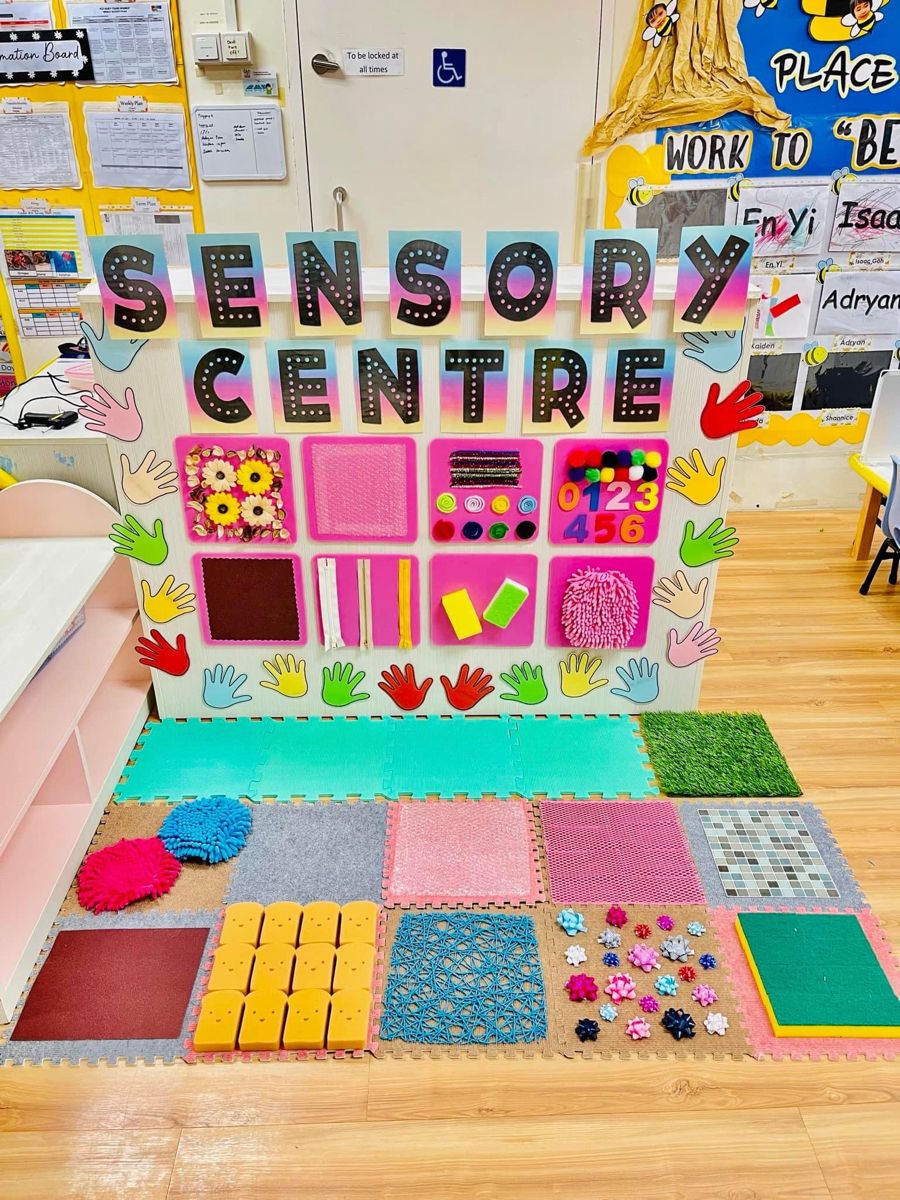
For individuals with autism, sensory integration is often a puzzle with missing pieces. The tactile defensiveness that makes certain fabrics feel like sandpaper or the auditory hypersensitivity that turns a humming refrigerator into a screeching alarm can render the world an inhospitable place. Enter the pool—a controlled environment where sensory experiences can be finely calibrated. The water’s temperature, pressure, and movement offer a spectrum of sensations that can be adjusted to suit individual thresholds. A lukewarm pool might soothe the overstimulated, while cooler water could invigorate the under-responsive. The key lies in the customization: swimming is not a one-size-fits-all remedy, but a malleable medium that bends to the needs of its swimmer.
Consider the child who recoils from the touch of a parent’s hand but finds solace in the gentle caress of water against their skin. The pool becomes a neutral zone, a place where touch is not an intrusion but a welcome sensation. Similarly, the vestibular system, responsible for balance and spatial orientation, often finds equilibrium in the water’s gentle undulations. The act of floating, spinning, or diving can recalibrate a dysregulated vestibular system, offering a sense of stability that is both physical and psychological. This is not just therapy; it is a reeducation of the senses, a slow dance with the elements that teaches the body to trust its own rhythms.
Buoyancy as Liberation: The Psychological Weightlessness
There is a profound metaphor in the way water lifts the body, as if shedding the invisible chains of gravity. For someone with autism, who may carry the weight of societal expectations, sensory overload, or emotional turmoil, this buoyancy is more than physical—it is psychological. In the water, the body is no longer a vessel of constraints but a creature of fluidity, capable of movement without effort, of existence without resistance. This liberation can be transformative. A nonverbal child who struggles to express themselves on land might find their voice in the water, not through words, but through the confident strokes of their arms or the joyous splash of their feet.

The pool becomes a microcosm of possibility, where the rules of the external world do not apply. There are no demands to make eye contact, no pressure to conform to social scripts, no fear of misreading a situation. Instead, there is only the water, the body, and the quiet understanding that here, they are enough. This sense of autonomy can spill over into other areas of life, fostering confidence that transcends the pool’s edge. Swimming, in this light, is not just a recreational activity; it is a rite of passage—a baptism into a world where the individual is not defined by their challenges, but by their capacity to thrive.
Safety in the Deep: Mitigating Risks with Precision
Of course, the therapeutic benefits of swimming are not without their caveats. The same water that offers solace can also pose risks, particularly for those who may struggle with impulsivity, poor spatial awareness, or a lack of fear of danger. Safety, therefore, is not an afterthought but a cornerstone of any swimming program for individuals with autism. The key lies in a layered approach: structured environments, clear boundaries, and constant supervision. A shallow pool with a non-slip surface can mitigate the fear of falling, while flotation devices provide an added layer of security. For those who are drawn to the deep end, gradual exposure—beginning in shallow water and slowly venturing into deeper pools—can build confidence without overwhelming the senses.
It is also essential to consider the individual’s relationship with water. Some may be drawn to its embrace, while others may recoil at the mere thought of submerging their face. Patience is paramount. Introducing water play in a controlled, playful manner—perhaps through games, toys, or gradual immersion—can help desensitize fears and foster a positive association. The goal is not to rush the process but to create a safe space where the individual can explore at their own pace, free from judgment or pressure.
The Ripple Effect: Social and Emotional Growth
The benefits of swimming extend beyond the sensory and physical realms; they ripple outward, touching the shores of social and emotional development. In a pool, interactions are often simpler, more predictable, and less laden with the complexities of verbal communication. A shared activity—whether it’s a game of water tag or a synchronized swim—can foster a sense of camaraderie without the pressure of conversation. For individuals who struggle with social nuances, the pool offers a neutral ground where connections can be forged through shared experience rather than words.
Moreover, the act of swimming can cultivate emotional resilience. The discipline of regular practice teaches patience, perseverance, and the acceptance of failure—whether it’s struggling to float or mastering a new stroke. These lessons in resilience can translate into other areas of life, equipping individuals with the tools to navigate challenges with grace. The water, in this sense, becomes a metaphor for life itself: unpredictable, sometimes daunting, but ultimately capable of carrying us forward if we learn to trust its currents.
Beyond the Pool: Integrating Swimming into a Holistic Routine
To harness the full potential of swimming as a therapeutic tool, it should not exist in isolation but as part of a broader, holistic routine. Pairing swimming with other sensory-friendly activities—such as yoga, deep-pressure therapy, or music—can amplify its benefits, creating a symphony of interventions that address the individual’s unique needs. For example, a post-swim cooldown with weighted blankets or calming music can help consolidate the sensory regulation achieved in the water, while a pre-swim routine of deep breathing can prepare the body and mind for the experience ahead.
It is also worth noting that swimming need not be confined to a pool. Natural bodies of water—lakes, rivers, or the ocean—offer their own sensory experiences, from the cool kiss of a mountain stream to the rhythmic crash of ocean waves. While these environments require additional precautions, they can provide a sense of connection to the natural world that is equally therapeutic. The key is to remain attuned to the individual’s comfort level and to approach each new environment with curiosity and caution.
The journey of integrating swimming into an autism support plan is not a linear one. There will be days when the water feels like a sanctuary, and others when it is met with resistance. Progress may be measured in small victories—a single lap completed, a fear of water overcome, or a moment of joyous splashing. But each step, no matter how tentative, is a testament to the individual’s courage and the transformative power of water.
In the end, swimming for individuals with autism is more than a therapeutic intervention; it is a celebration of the body’s innate ability to adapt, to heal, and to find harmony in the most unexpected of places. The pool, with its shimmering surface and endless depths, becomes a mirror reflecting not just the swimmer’s reflection, but their potential. It is a reminder that even in a world that often feels overwhelming, there are still places where the water holds us, where the currents guide us, and where we are, at last, free to simply be.