In the intricate tapestry of family dynamics, few threads are as delicate yet resilient as the bonds between siblings. When autism weaves its way into these relationships, the fabric transforms—sometimes fraying under the weight of misunderstanding, other times strengthening through empathy and intentional nurturing. The journey of raising a child with autism reshapes not only the individual but the entire family ecosystem, particularly the sibling relationships that often bear the unspoken weight of adaptation. What if we could reframe this narrative? What if, instead of viewing autism as a barrier, we saw it as a catalyst for deeper connections, a teacher of patience, and a bridge to unparalleled emotional growth? This exploration isn’t just about managing challenges; it’s about unlocking a new dimension of family unity, where every member—neurotypical or neurodivergent—discovers their unique role in a shared story of resilience and love.
The sibling relationship, often the longest-lasting bond in a person’s life, becomes even more profound when one child navigates the world with autism. These relationships are not static; they evolve, shaped by the ebb and flow of life’s demands and the gradual accrual of shared experiences. Yet, they are also fragile, susceptible to the strains of unmet expectations, unspoken frustrations, or the sheer exhaustion of constant advocacy. The key lies not in avoiding these complexities but in embracing them as opportunities for transformation. When siblings learn to see the world through each other’s eyes, they don’t just coexist—they thrive together. The question isn’t whether autism will alter these bonds, but how we can guide them toward a future where differences are not just tolerated but celebrated.
The Spectrum of Sibling Experiences: From Frustration to Fascination
Sibling relationships in the context of autism are a study in contrasts. For some, the experience is one of profound frustration—moments when communication breaks down, when meltdowns disrupt routines, or when the neurotypical sibling feels overlooked in favor of the child with greater needs. These emotions are valid, even inevitable. Yet, they are not the entire story. Beneath the surface of irritation and exhaustion lies a wellspring of untapped potential. Siblings of autistic children often develop an acute sensitivity to nonverbal cues, an almost intuitive understanding of emotional undercurrents that many neurotypical individuals never master. This isn’t just a coping mechanism; it’s a form of emotional intelligence that can serve them—and the family—throughout their lives.
Consider the older sibling who, after years of navigating a brother’s or sister’s sensory sensitivities, becomes the family’s unofficial mediator. Or the younger sibling who, despite initial confusion, learns to communicate in ways that transcend language. These aren’t minor adaptations; they are seismic shifts in how we define intelligence, communication, and connection. The sibling experience is not monolithic. Some children may feel a deep sense of protectiveness, while others might grapple with resentment or guilt. The challenge—and the opportunity—lies in validating these feelings without letting them calcify into resentment. By fostering open dialogue, parents can create a space where siblings feel safe to express their frustrations, their fears, and, ultimately, their pride in the unique bond they share.
Building Bridges: Strategies for Fostering Empathy and Connection
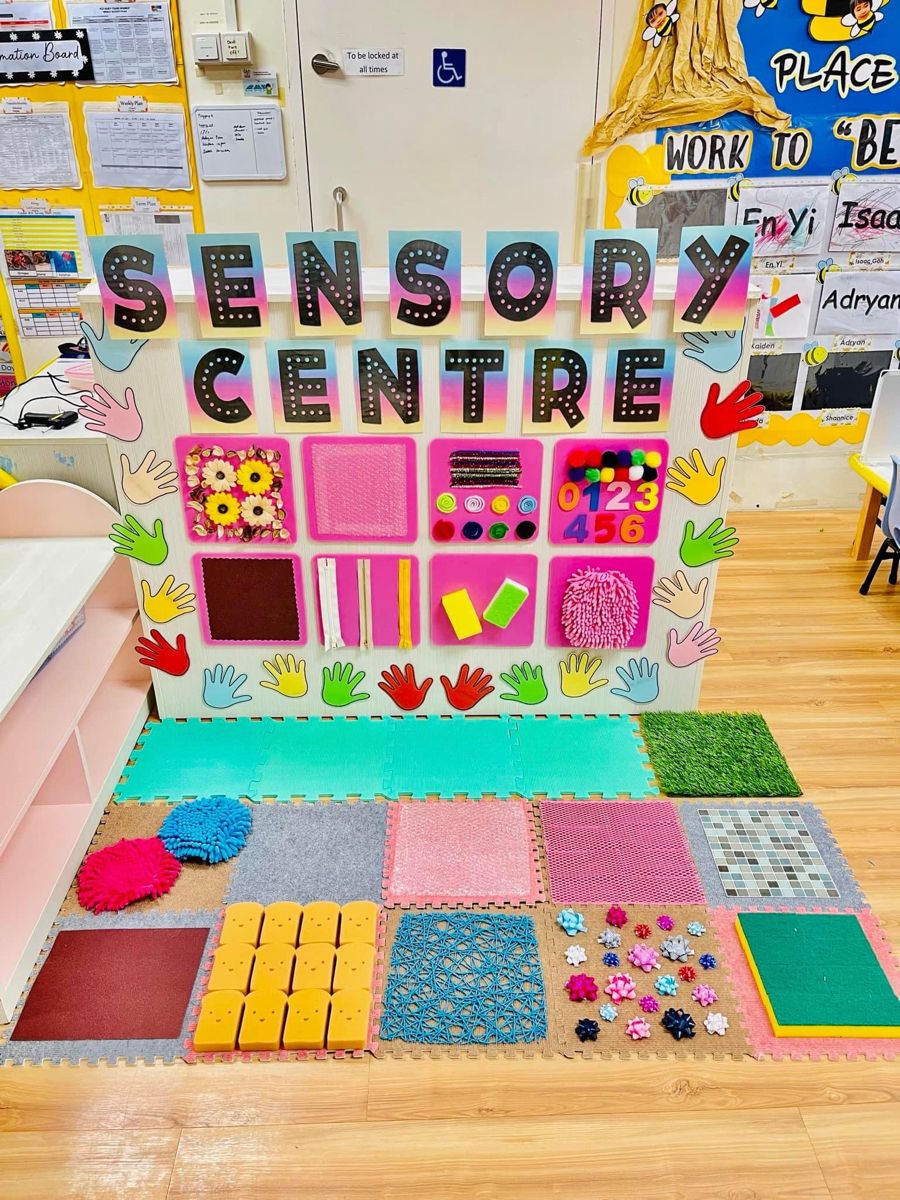
Nurturing sibling relationships in the context of autism requires more than good intentions; it demands intentional strategies that bridge the gap between difference and understanding. One of the most powerful tools at a parent’s disposal is education—not just about autism itself, but about the sibling’s role in the family’s ecosystem. Simple, age-appropriate explanations about autism can demystify behaviors that might otherwise seem baffling or even personal. For example, a neurotypical sibling might not understand why their brother covers his ears in a crowded room, but framing it as a sensory overload rather than defiance can transform frustration into compassion.
Shared activities are another cornerstone of connection. While it’s tempting to separate siblings to avoid conflict, structured, low-pressure interactions can foster bonding in unexpected ways. A sibling who enjoys building Lego sets might discover a shared passion with their autistic brother, even if their communication styles differ. The goal isn’t to force compatibility but to create opportunities for mutual discovery. Parents can also encourage siblings to take on age-appropriate roles in supporting their brother or sister, whether it’s helping with a task they excel at or simply being a patient listener. These roles aren’t about burdening the neurotypical child; they’re about reinforcing the idea that every family member has something valuable to contribute.
Another critical strategy is to carve out dedicated one-on-one time with each sibling. Neurotypical children often feel overlooked when a sibling’s needs dominate the family’s attention. Regular, undivided time—whether it’s a weekly outing or a quiet evening of reading together—can reassure them that their feelings and needs matter just as much. This isn’t about balancing the scales of fairness but about acknowledging that each child’s emotional well-being is integral to the family’s harmony. When siblings feel seen and valued, they’re more likely to approach their autistic brother or sister with patience and curiosity rather than resentment.
The Unseen Benefits: How Autism Shapes Siblings for Life
The impact of growing up with an autistic sibling extends far beyond childhood. These siblings often emerge as adults with a rare blend of resilience, adaptability, and empathy. They learn to navigate ambiguity, to read between the lines of human interaction, and to approach differences with a nuanced perspective. In a world that often prioritizes conformity, these are invaluable skills. Research suggests that siblings of autistic children are more likely to pursue careers in fields like special education, psychology, or advocacy—not out of obligation, but because they’ve witnessed firsthand the transformative power of inclusion and understanding.
Yet, the benefits aren’t purely practical. There’s a quiet magic in the sibling bond that defies logic. Autistic individuals often possess a purity of expression, a directness that cuts through social niceties to reveal raw, unfiltered emotions. For their siblings, this can be a lesson in authenticity—a reminder that vulnerability isn’t weakness but a form of strength. The autistic sibling might not say “I love you” in the conventional way, but their actions—whether it’s a shared glance, a spontaneous hug, or an unprompted act of kindness—can speak volumes. These moments of connection are fleeting but profound, etching themselves into the sibling’s memory as proof that love doesn’t always need words to be felt.
There’s also an unexpected gift in the sibling relationship: the opportunity to redefine success. In a culture that often equates achievement with academic or professional milestones, siblings of autistic children learn early on that success can take myriad forms. It might be the ability to sit quietly with a sibling during a meltdown, to advocate for them in a doctor’s office, or simply to accept their quirks without judgment. These are not small victories. They are the building blocks of a life lived with intention, where relationships are valued as much as accomplishments. For neurotypical siblings, this can be a humbling revelation—one that reshapes their priorities and deepens their appreciation for the people who matter most.
Navigating Challenges: When Patience Wears Thin
Of course, the path isn’t always smooth. There will be days when patience wears thin, when the neurotypical sibling’s resentment bubbles to the surface, or when the autistic child’s behaviors feel like an insurmountable obstacle. These moments are not failures; they are part of the journey. The key is to address them with compassion rather than judgment. For siblings, this might mean setting boundaries—learning to say “no” when they’ve reached their limit, or seeking support from a trusted adult when they’re feeling overwhelmed. For parents, it means modeling healthy conflict resolution, showing that frustration is a normal part of any relationship and that it’s possible to repair and rebuild after a rupture.
It’s also important to recognize when professional support might be beneficial. Sibling support groups, whether in-person or online, can provide a safe space for neurotypical children to share their experiences with peers who understand their unique challenges. Therapy, too, can offer tools for managing complex emotions, whether it’s individual counseling for the sibling or family therapy to address recurring conflicts. The goal isn’t to “fix” the relationship but to equip siblings with the skills they need to navigate its complexities with confidence and resilience.
Parents, too, must guard against the trap of perfectionism. There’s no such thing as a flawless sibling dynamic, especially when autism is part of the equation. What matters most is the effort to foster understanding, the willingness to adapt, and the commitment to showing up—even on the days when it’s hard. The sibling relationship isn’t a project to be completed or a problem to be solved; it’s a living, breathing entity that evolves with each passing year. And like all living things, it requires nourishment, patience, and the occasional pruning to flourish.

The sibling relationship, when nurtured with intention, becomes a testament to the power of love in its most unadorned form. It’s a relationship that teaches us that connection isn’t about sameness but about the willingness to meet each other where we are. Autism, with all its complexities, doesn’t have to be a wedge between siblings; it can be the very thing that draws them closer, if we allow it to. The journey isn’t easy, but it’s one worth taking—for the siblings, for the family, and for the world they’ll go on to shape with their unique blend of empathy and resilience.
In the end, the goal isn’t to erase the challenges or pretend they don’t exist. It’s to reframe them as opportunities—to see the sibling relationship not as a series of obstacles to overcome, but as a landscape to explore, with all its peaks and valleys. For in that exploration lies the promise of something extraordinary: a bond that transcends diagnosis, a love that defies explanation, and a family that grows stronger, not despite their differences, but because of them.