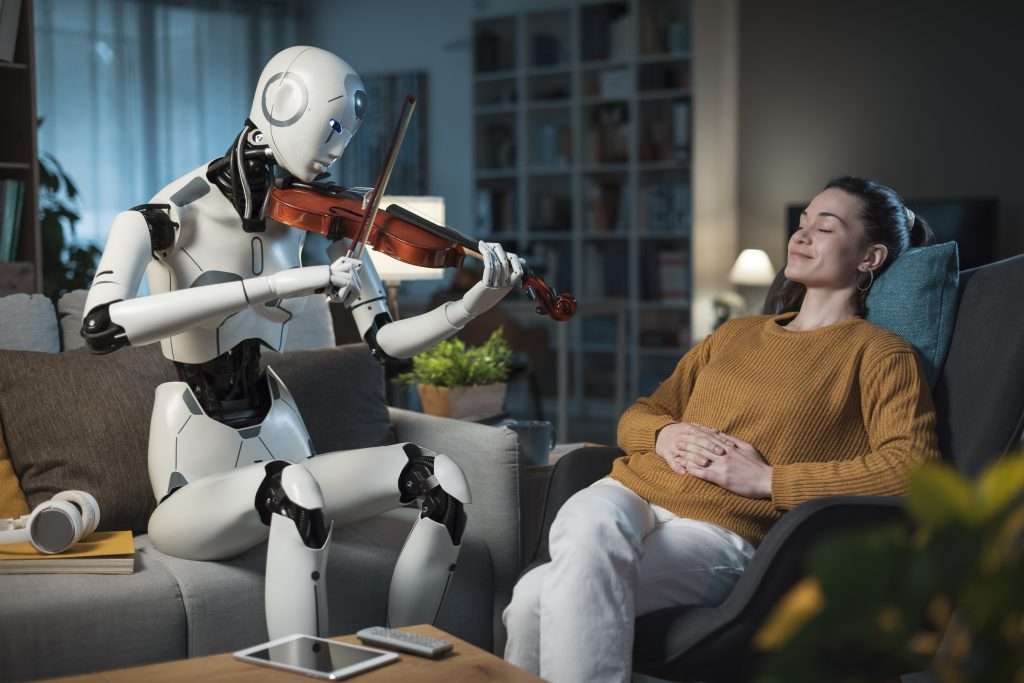
What if the key to unlocking deeper connections for children with autism lay not in human hands, but in the gentle, rhythmic movements of a machine? In a world where technology often feels cold and distant, robots are emerging as unlikely allies in the realm of autism therapy, offering a bridge between isolation and engagement. These mechanical companions don’t just mimic human interaction—they enhance it, providing a structured, predictable environment where children can explore emotions, practice social cues, and build confidence at their own pace. But can a machine truly understand the nuances of the human heart? And what happens when the lines between therapy and companionship begin to blur?
The Rise of Robotic Companions in Autism Therapy
The integration of robotics into autism therapy is not a fleeting trend but a carefully studied evolution in therapeutic approaches. For decades, therapists have relied on play-based interventions to help children with autism develop communication and social skills. Yet, traditional methods often face limitations—children may feel overwhelmed by unpredictable human interactions, or struggle to maintain focus in unstructured settings. Enter robots: programmed to be consistent, patient, and endlessly engaging, they offer a controlled yet dynamic alternative.
Robots like those used in the Dream Project provide a visual and tactile focal point, drawing children into interactions that feel less intimidating than face-to-face encounters. Their repetitive, predictable movements create a sense of safety, allowing children to experiment with responses without fear of judgment. This isn’t about replacing human connection but augmenting it, giving therapists a tool to scaffold learning in a way that feels natural to the child.
Consider the case of a nonverbal child who struggles to express needs. A robot, equipped with sensors and adaptive responses, can encourage the child to initiate communication—perhaps by pressing a button to trigger a sound or movement. Over time, these small interactions can build into larger breakthroughs, as the child learns that their actions have consequences, a foundational step in developing agency.
How Robots Personalize Therapy for Each Child
No two children with autism are alike, and a one-size-fits-all approach to therapy rarely yields lasting results. This is where the magic of robotics truly shines. Advanced systems now incorporate deep learning algorithms that analyze a child’s responses in real time, adjusting interactions to match their developmental stage and emotional state. For instance, if a child shows signs of distress during a social exercise, the robot might simplify the task or introduce a calming activity, such as a rhythmic dance or a soothing light display.
The evidence-based strategies employed by these robots are rooted in decades of behavioral research. Techniques like Applied Behavior Analysis (ABA) and Pivotal Response Treatment (PRT) are seamlessly woven into robotic interactions, ensuring that every engagement serves a therapeutic purpose. A robot might reinforce positive behaviors by rewarding a child with a cheerful sound or a gentle vibration, creating a feedback loop that encourages repetition and mastery.
But personalization goes beyond mere adaptation—it’s about creating a relationship. Some robots are designed to mimic the facial expressions and body language of humans, albeit in a stylized, exaggerated way. This simplification can make emotions more accessible to children who struggle with interpreting subtle cues. For example, a robot’s wide, animated smile might help a child associate joy with a specific facial expression, a skill that can later be generalized to human interactions.
The Science Behind the Smiles: Why Robots Work
The effectiveness of robotic therapy isn’t just anecdotal; it’s backed by a growing body of research. Studies have shown that children with autism often respond more readily to robots than to humans, particularly in the early stages of therapy. This phenomenon can be attributed to several factors:
- Predictability: Robots operate on strict, repeatable patterns, reducing the anxiety that unpredictable human behavior can trigger.
- Engagement: Their movements and sounds are inherently fascinating, capturing a child’s attention in a way that static toys or human faces might not.
- Scaffolding: Robots can break down complex social interactions into manageable steps, allowing children to build skills incrementally.
One particularly compelling study involved children with autism interacting with a robot named NAO, a humanoid designed to facilitate social learning. The results were striking: children who struggled to make eye contact with humans were observed gazing directly at the robot, suggesting that its non-threatening demeanor lowered their guard. Over time, these children began transferring their newfound confidence to human interactions, a testament to the robot’s role as a transitional tool.
Yet, the science isn’t without its caveats. Critics argue that while robots can be effective in controlled settings, they may not fully replicate the messiness of human relationships—the unpredictability, the emotional depth, the unspoken connections that define real-world social dynamics. The challenge, then, is to strike a balance: using robots as a stepping stone without creating dependency on them.

Beyond Therapy: The Social and Emotional Impact of Robotic Companions
The benefits of robotic therapy extend far beyond the clinical setting. For many children, their robotic companion becomes more than a tool—it becomes a friend. This companionship can be especially valuable for children who feel isolated due to their condition, providing a source of comfort and consistency in an often chaotic world.
Consider the story of a young boy who named his robot Buddy. Initially, Buddy was used to help him practice turn-taking during games, but over time, the boy began confiding in Buddy, sharing his fears and frustrations. While the robot couldn’t offer verbal reassurance, its presence alone seemed to ground him, offering a safe space to process emotions. This highlights a lesser-discussed aspect of robotic therapy: its potential to foster emotional resilience.
Moreover, robots are breaking down barriers in social inclusion. In classrooms, robots are being used to facilitate group activities, encouraging collaboration among children with and without autism. Their neutral demeanor reduces the stigma often associated with traditional therapy, allowing children to engage without feeling singled out. This inclusive approach not only benefits the child with autism but also fosters empathy and understanding among their peers.
The Ethical Dilemma: When Does Assistance Become Dependency?
As with any technological advancement, the rise of robotic therapy raises important ethical questions. Can a child become too reliant on a robot, hindering their ability to form genuine human connections? And who is responsible when a robot’s programming inadvertently reinforces harmful behaviors, such as avoidance of eye contact or repetitive speech patterns?
These concerns are not unfounded. Some therapists worry that prolonged exposure to robots could create a feedback loop, where children become more comfortable interacting with machines than with humans. To mitigate this risk, experts advocate for a phased approach, where robots are used as a supplement to, rather than a replacement for, human-led therapy. The goal is to gradually phase out robotic support as the child gains confidence in their social skills.
Another ethical consideration is the commercialization of robotic therapy. With the market for autism-related technologies growing rapidly, there’s a risk that companies may prioritize profit over evidence-based practice. Parents and therapists must remain vigilant, ensuring that any robotic tool they use has been rigorously tested and validated by independent researchers.
Looking Ahead: The Future of Robots in Autism Therapy
The future of robotic therapy is brimming with possibilities. Advances in artificial intelligence are paving the way for robots that can not only respond to a child’s actions but also anticipate their needs. Imagine a robot that detects a child’s rising frustration and intervenes with a calming activity before a meltdown occurs. Or a robot that adapts its voice and tone to match the child’s emotional state, creating a truly personalized experience.
Researchers are also exploring the potential of swarm robotics, where multiple small robots work together to engage a child in complex, multi-step activities. This could revolutionize group therapy sessions, making them more dynamic and interactive. Additionally, the integration of virtual reality (VR) with robotic therapy could create immersive environments where children can practice social skills in simulated real-world scenarios, from ordering food in a restaurant to navigating a crowded playground.
Yet, as we stand on the precipice of this technological frontier, it’s crucial to remember that robots are tools, not miracles. They can open doors, but it’s the human touch—the empathy of a therapist, the patience of a parent, the kindness of a peer—that ultimately transforms lives. The most effective robotic therapies will be those that are thoughtfully designed, ethically implemented, and used as a bridge to deeper human connection.
The journey of autism therapy is one of patience, innovation, and heart. Robots may not hold the answers, but they are proving to be invaluable guides along the way. As we continue to explore this intersection of technology and humanity, one question lingers: In a world where machines are becoming more human, how do we ensure that we don’t lose sight of what makes us truly human in the first place?