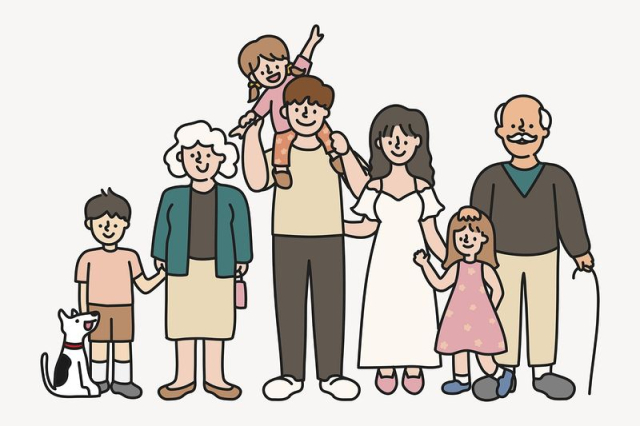
The first time little Leo called his grandmother “Nana,” it wasn’t the word itself that lingered in the air—it was the silence that followed. Not the awkward kind, but the kind that hums with unspoken questions: *Why didn’t he say it the way the others do? Why does he tilt his head when she speaks? Why does he flinch at hugs?* For many grandparents, the arrival of an autism diagnosis in the family doesn’t just reshape routines; it redefines the very fabric of connection. It invites them into a world where love is still the language, but the syntax has changed. Educating extended family about autism isn’t merely about sharing facts—it’s about bridging a perceptual gap that can feel as vast as the generational divide itself.
Autism, or Autism Spectrum Disorder (ASD), is a neurodevelopmental condition characterized by differences in social communication, sensory processing, and behavior. While it manifests uniquely in every individual, its presence often becomes most visible within the intimate ecosystem of family life. Grandparents, who may have spent decades refining their instincts for reading emotions and intentions, suddenly find themselves navigating a landscape where eye contact isn’t a sign of engagement, literal interpretations trump social cues, and sensory overload can turn a simple gathering into a minefield of discomfort. The challenge isn’t just understanding the diagnosis—it’s recalibrating expectations without diminishing the depth of love.
The Unseen Currents of Connection: Why Grandparents Struggle
For many grandparents, their role in the family has long been defined by warmth, wisdom, and an almost instinctive ability to soothe. They’ve mastered the art of reading between the lines—interpreting a sigh as fatigue, a pause as contemplation, a raised eyebrow as disapproval. Autism disrupts this intuitive framework. A grandchild who avoids eye contact isn’t avoiding affection; they’re overwhelmed by the intensity of it. A refusal to hug isn’t rejection; it’s a sensory boundary. These misinterpretations aren’t failures of love—they’re failures of translation.
The frustration often stems from a deep-seated desire to connect in the ways they know best. When a grandparent’s attempts to engage are met with indifference or distress, the emotional toll can be profound. It’s not uncommon to hear phrases like, “He used to love my stories,” or “She never laughs at my jokes anymore.” These statements aren’t criticisms; they’re laments for a connection that once felt effortless. The key lies in helping grandparents recognize that their grandchild’s behavior isn’t a rejection of them—it’s a reflection of a different way of experiencing the world.
Sensory Overload: The Invisible Barrier to Togetherness
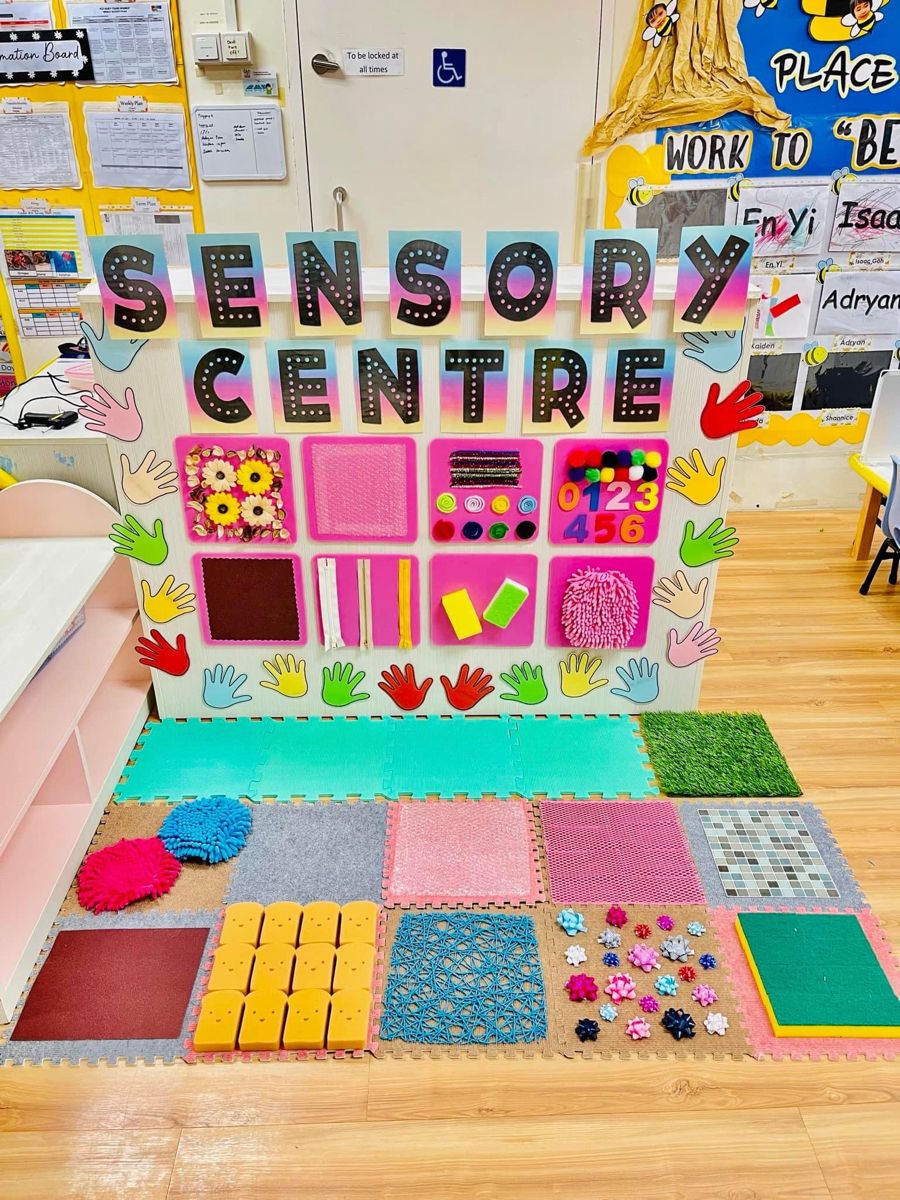
Imagine walking into a room where every sound is amplified, every texture feels like sandpaper, and the scent of a loved one’s perfume is overwhelming. For many autistic individuals, this isn’t imagination—it’s reality. Sensory processing differences are a cornerstone of autism, yet they’re often overlooked in favor of more visible traits like speech delays or repetitive behaviors. Grandparents, who may not have witnessed the sensory struggles firsthand, might dismiss a meltdown as “just a phase” or “bad behavior.” The truth is far more nuanced.
Consider the family dinner table. For a neurotypical child, the clatter of dishes, the hum of conversation, and the warmth of a loved one’s hand on their shoulder might blend into a comforting backdrop. For an autistic grandchild, these stimuli can collide into a cacophony that makes it impossible to focus on the meal—or even the people around them. The solution isn’t to eliminate these experiences entirely but to create spaces where sensory needs are acknowledged. Simple adjustments, like dimming bright lights, offering noise-canceling headphones, or allowing the child to eat in a quieter room, can transform a fraught gathering into a moment of connection.
Language Without Limits: Redefining Communication
Language is the bridge between generations, yet for autistic individuals, it can also be a chasm. Some may speak in a monotone voice, while others might repeat phrases from movies or conversations. Some may struggle to express their needs verbally, leading to frustration when they’re misunderstood. Grandparents, who may have spent years refining their conversational skills, can feel at a loss when faced with a grandchild who communicates in ways that defy tradition.
The solution lies in expanding the definition of communication. It’s not just about words; it’s about gestures, expressions, and even silence. An autistic child might not say “I love you,” but they might show it by lining up toys in a specific order or repeating a favorite song. Grandparents can learn to recognize these nonverbal cues and respond in kind. It’s also important to validate their grandchild’s attempts at communication, even if they’re unconventional. A child who uses a picture card to request a snack isn’t being difficult—they’re finding a way to be understood.
The Role of Patience: A Virtue Reimagined
Patience is often touted as a virtue, but in the context of autism, it takes on a new dimension. It’s not just about waiting for a response or tolerating delays—it’s about embracing a pace that isn’t dictated by societal norms. Grandparents, who may have spent decades rushing through life, might find themselves having to slow down, to savor the moments that others overlook. A child who takes an hour to answer a question isn’t being defiant; they’re processing. A grandparent who waits, without filling the silence with their own voice, is offering a rare gift: the space to be heard.
This redefined patience extends beyond communication. It’s about allowing a grandchild to stim—rocking, flapping, or repeating words—without shushing them. It’s about tolerating a rigid routine, even when it disrupts plans. It’s about accepting that a child might not want to sit on Santa’s lap at the mall, not because they’re ungrateful, but because the sensory experience is too intense. Patience, in this context, isn’t passive endurance; it’s an active form of love.
Creating Inclusive Traditions: Beyond the Ordinary
Family traditions are the threads that weave generations together. They provide a sense of continuity and belonging. But when a grandchild’s needs aren’t accommodated, these traditions can become sources of stress rather than joy. The key is to reimagine them—not as rigid rituals, but as flexible frameworks that can adapt to individual differences.
Consider the annual holiday photo. For some families, it’s a cherished moment; for others, it’s a battleground of meltdowns and forced smiles. Instead of insisting on a traditional pose, grandparents can capture the child in a moment that feels comfortable—perhaps reading a book in a quiet corner or playing with a favorite toy. The goal isn’t to force conformity but to preserve the essence of the tradition: connection.
Similarly, birthday parties can be reimagined. A child who struggles with crowds might prefer a low-key celebration with just a few close family members. A grandparent who understands this isn’t “coddling” their grandchild—they’re honoring their needs. The love remains; the method of expression simply evolves.
The Ripple Effect: How Grandparents Become Advocates
When grandparents take the time to educate themselves about autism, they don’t just benefit their grandchild—they become advocates within their broader community. Their newfound understanding can challenge stereotypes and misconceptions, fostering a more inclusive environment for all autistic individuals. They might share resources with other family members, recommend sensory-friendly activities, or even speak up when someone dismisses autism as “just a phase.”
This advocacy isn’t limited to the family. Grandparents who are well-versed in autism can serve as bridges between the autistic community and the wider world. They might help educators understand a child’s needs, or they might challenge outdated therapies that prioritize compliance over well-being. In doing so, they become not just grandparents, but allies in a movement that seeks to redefine what it means to support neurodiversity.
The journey of educating grandparents about autism is one of mutual growth. It’s a process of unlearning assumptions, embracing new perspectives, and discovering that love isn’t a one-size-fits-all experience. It’s about recognizing that a grandchild who doesn’t make eye contact isn’t distant—they’re present in their own way. It’s about understanding that a refusal to hug isn’t rejection—it’s a boundary. And it’s about realizing that the deepest connections aren’t formed through shared experiences, but through the willingness to meet someone where they are.
In the end, the goal isn’t to change the grandchild, but to change the way the family sees them. It’s about shifting from a mindset of “How can they fit into our world?” to “How can we fit into theirs?” When grandparents embrace this shift, they don’t just become better caregivers—they become better humans. And in doing so, they offer their grandchild something invaluable: a family that loves them not in spite of their differences, but because of them.