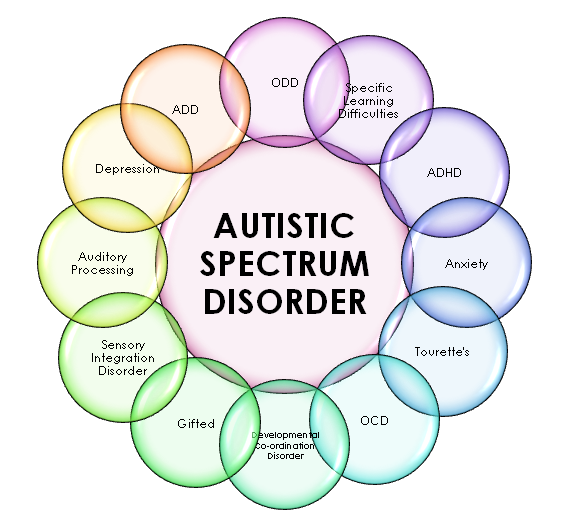
Autism and Cleaning: Household Chores Made Manageable
Navigating the labyrinth of household responsibilities can feel like an insurmountable task for anyone, but for individuals on the autism spectrum, the challenge often lies not in the physical act of cleaning itself, but in the cognitive and sensory hurdles that accompany it. The intersection of autism and domestic upkeep is a nuanced terrain, where routines, sensory sensitivities, and executive function play pivotal roles. This article explores how to transform cleaning from a daunting chore into a structured, even empowering, part of daily life. By dissecting the psychological barriers, leveraging sensory-friendly strategies, and implementing tailored organizational systems, we can uncover a path to a cleaner, more harmonious home environment.
Imagine waking up to a space that feels overwhelmingly cluttered, the visual chaos triggering a cascade of stress that lingers long after the mess is gone. For many autistic individuals, this isn’t just a fleeting frustration—it’s a daily reality. The sensory overload of a disorganized environment can disrupt focus, heighten anxiety, and drain mental energy. Yet, the act of cleaning itself can also present its own set of challenges: the unpredictability of tasks, the need for precise sequencing, and the potential for sensory discomfort from cleaning products or textures. The key to overcoming these obstacles lies in understanding the unique needs of the individual and crafting a cleaning regimen that aligns with their sensory profile and cognitive strengths.

The Psychology Behind Cleaning Challenges
For autistic individuals, cleaning isn’t merely a physical activity—it’s a psychological puzzle. Executive dysfunction, a common trait in autism, can make it difficult to initiate tasks, prioritize steps, or transition between activities. The brain’s wiring may struggle with the abstract nature of chores, where the end goal isn’t always immediately tangible. Unlike a math problem with a clear solution, cleaning often lacks a definitive endpoint, which can lead to procrastination or avoidance. Additionally, the social expectations surrounding cleanliness—such as the unspoken rules of tidiness—can create pressure that feels arbitrary or even oppressive.
Sensory sensitivities further complicate the equation. The smell of bleach might be overpowering, the texture of a sponge abrasive, or the sound of a vacuum cleaner jarring. These sensory triggers can turn a simple task into a source of distress. Understanding these psychological layers is the first step toward designing a cleaning routine that respects the individual’s needs rather than forcing conformity to external standards. By reframing cleaning as a series of manageable, sensory-friendly steps, it becomes possible to demystify the process and reduce the emotional weight it carries.
Sensory-Friendly Cleaning: Adapting the Environment
Creating a sensory-friendly cleaning environment starts with curating the tools and space to minimize discomfort. Opt for cleaning products with mild, neutral scents or fragrance-free alternatives to avoid overwhelming olfactory sensitivities. Soft-bristled brushes, microfiber cloths, and lightweight vacuums can reduce tactile aversions, while noise-canceling headphones or earplugs offer a buffer against auditory triggers. The physical space itself can be adapted by designating a specific area for cleaning supplies, ensuring they’re easily accessible and stored in a way that feels orderly rather than chaotic.
Lighting plays a crucial role as well. Harsh fluorescent lighting can be jarring, so consider using warm, dimmable bulbs or natural light where possible. If fluorescent lighting is unavoidable, anti-glare screens or tinted lenses can mitigate its intensity. The goal is to transform the cleaning space into a sanctuary of sorts—one where sensory inputs are controlled and predictable. This might mean cleaning during off-peak hours to avoid crowds or distractions, or breaking tasks into smaller, sensory-managed segments to prevent overload.
Structured Routines: The Power of Predictability
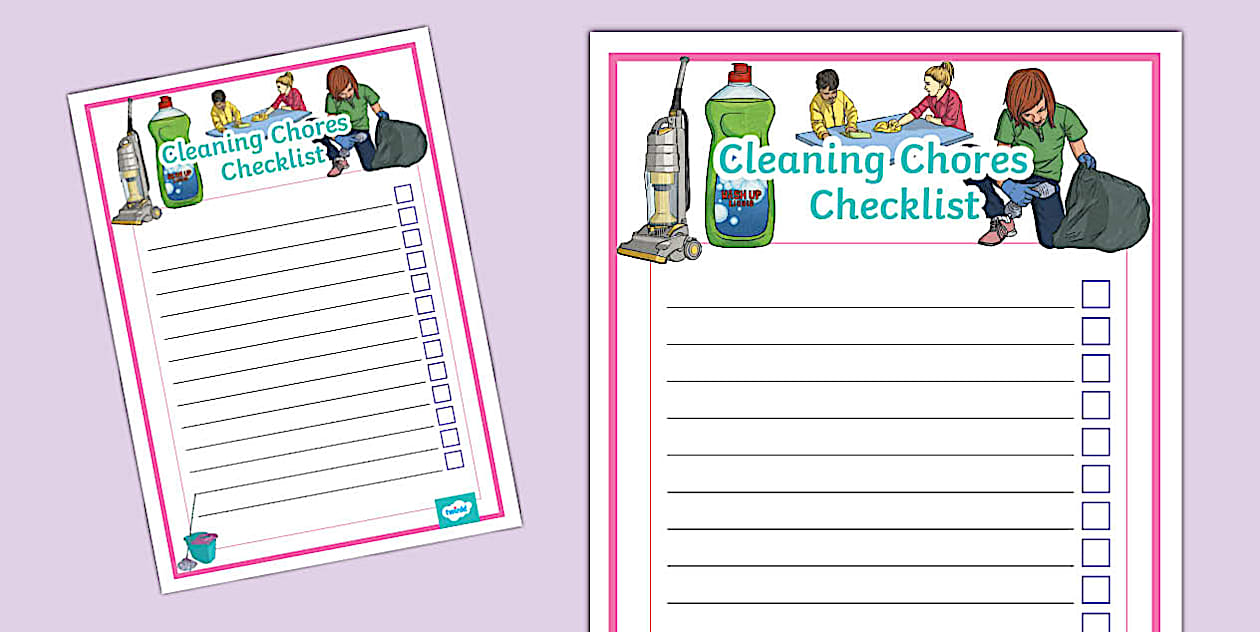
Predictability is a cornerstone of comfort for many autistic individuals. A structured routine provides a sense of control and reduces the anxiety that comes with uncertainty. Start by breaking down cleaning tasks into discrete, sequential steps. For example, instead of saying “clean the kitchen,” outline specific actions: “wipe the countertops, sweep the floor, take out the trash.” Visual schedules, timers, and checklists can serve as external scaffolds, guiding the process without relying solely on internal motivation.
Timing is another critical factor. Some individuals thrive in the morning, while others prefer the quiet of evening. Experiment with different times of day to identify when energy levels and focus are at their peak. Consistency in timing reinforces the routine, making it easier to transition into cleaning mode. Additionally, pairing cleaning with a preferred activity—such as listening to music or a podcast—can make the experience more enjoyable and less isolating. The key is to create a routine that feels intuitive and sustainable, rather than rigid or punitive.
Breaking Down Tasks: The Art of Simplification
Cleaning tasks often feel overwhelming because they’re perceived as monolithic entities. The solution lies in deconstructing them into bite-sized, manageable components. For instance, “organizing the living room” might become: “put away books, fold blankets, clear the coffee table.” Each small step reduces the cognitive load and makes the task feel less daunting. Visual aids, such as color-coded bins or labeled storage containers, can further simplify the process by providing clear cues for where items belong.
Another effective strategy is to use the “two-minute rule”—if a task takes less than two minutes, do it immediately. This prevents small tasks from piling up and becoming unmanageable. For larger tasks, set a timer for 10–15 minutes and focus solely on that segment. The act of starting, even for a short burst, can build momentum and make the task feel less insurmountable. Over time, these micro-actions accumulate into noticeable progress, reinforcing a sense of accomplishment.
Teaching and Practicing: A Collaborative Approach
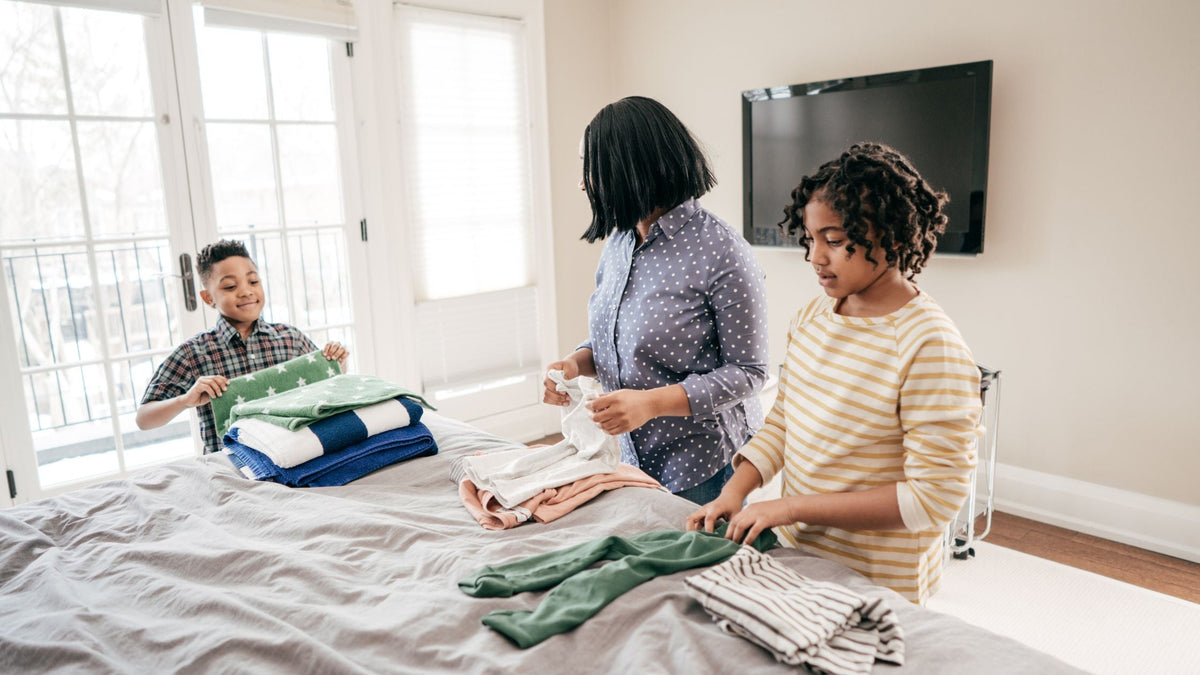
For autistic individuals, learning cleaning skills often requires a hands-on, collaborative approach. Demonstrate tasks step by step, using clear, concise language and visual demonstrations. Avoid vague instructions like “clean up,” which can be confusing; instead, say “put the toys in the blue bin.” Repetition and practice are essential, as muscle memory and familiarity with routines develop over time. Praise effort and progress, rather than perfection, to build confidence and motivation.
Social stories can be a powerful tool for teaching cleaning routines. These narratives describe a situation—such as doing laundry or washing dishes—in a step-by-step format, using simple language and relatable scenarios. They provide a script for navigating the task, reducing anxiety and uncertainty. Additionally, involving the individual in the creation of cleaning schedules or checklists can foster a sense of ownership and autonomy, making the process feel less like a chore and more like a collaborative effort.
Overcoming Emotional Barriers: Mindset and Motivation
Emotional barriers, such as shame or frustration, can significantly impede the cleaning process. It’s important to reframe cleaning as a form of self-care rather than a moral obligation. The goal isn’t to achieve a spotless home but to create a space that feels safe, comfortable, and functional. Celebrate small victories—even if the task isn’t completed perfectly—to reinforce positive associations with cleaning.
Motivation can be a challenge, especially when tasks feel meaningless or overwhelming. One approach is to tie cleaning to personal values or goals. For example, a tidy space might symbolize independence or self-respect, providing a deeper reason to engage in the task. Alternatively, gamifying the process—such as turning cleaning into a challenge with rewards—can make it more engaging. The key is to find what resonates with the individual, whether it’s a sense of achievement, a tangible reward, or the intrinsic satisfaction of a job well done.
Long-Term Strategies: Building Sustainable Habits
Sustainable cleaning habits are built on consistency, adaptability, and self-compassion. Start with a minimalist approach, focusing on one or two key tasks before expanding the routine. As habits solidify, gradually introduce new tasks or refine existing ones. It’s okay to adjust the routine as needs change—flexibility is essential for long-term success.
Technology can also play a role in maintaining habits. Apps that send reminders, track progress, or provide guided tutorials can serve as external supports. However, it’s important to balance technology with human connection, especially if social interaction is a motivating factor. Ultimately, the goal is to create a cleaning routine that feels sustainable, enjoyable, and aligned with the individual’s unique needs and preferences.
Cleaning, when approached with intention and adaptability, can become more than just a chore—it can be a form of self-expression, a ritual of care, or even a meditative practice. For autistic individuals, the journey to a manageable cleaning routine is about more than just tidying up; it’s about reclaiming agency in a world that often feels chaotic and unpredictable. By embracing sensory-friendly tools, structured routines, and collaborative learning, cleaning can transform from a source of stress into a source of empowerment. The result is not just a cleaner home, but a deeper sense of control, confidence, and comfort in one’s own space.