Laundry is more than a chore—it’s a symphony of textures, temperatures, and timelines, a daily ballet where socks pirouette in the spin cycle and stains waltz into oblivion. For individuals on the autism spectrum, this seemingly mundane ritual can become a labyrinth of sensory overload, cognitive hurdles, and emotional turbulence. Yet, with the right tools and strategies, laundry can transform from a daunting ordeal into a manageable, even empowering, routine. This article explores the intricate dance between autism and laundry, unraveling the threads of sensory sensitivities, executive function challenges, and the power of structured support to weave a seamless experience.
The Sensory Tapestry: Navigating Overwhelming Textures and Sounds
Imagine standing before a washing machine, its hum a distant thunder, its vibrations a subtle earthquake beneath your feet. The fabric of a towel feels like sandpaper against your skin, while the scent of detergent lingers like an invisible fog. For many autistic individuals, laundry is a sensory gauntlet—a cacophony of tactile, auditory, and olfactory stimuli that can feel overwhelming. The texture of wet clothes clinging to the skin, the roar of the dryer, or the chemical tang of fabric softener can trigger discomfort, anxiety, or even pain.
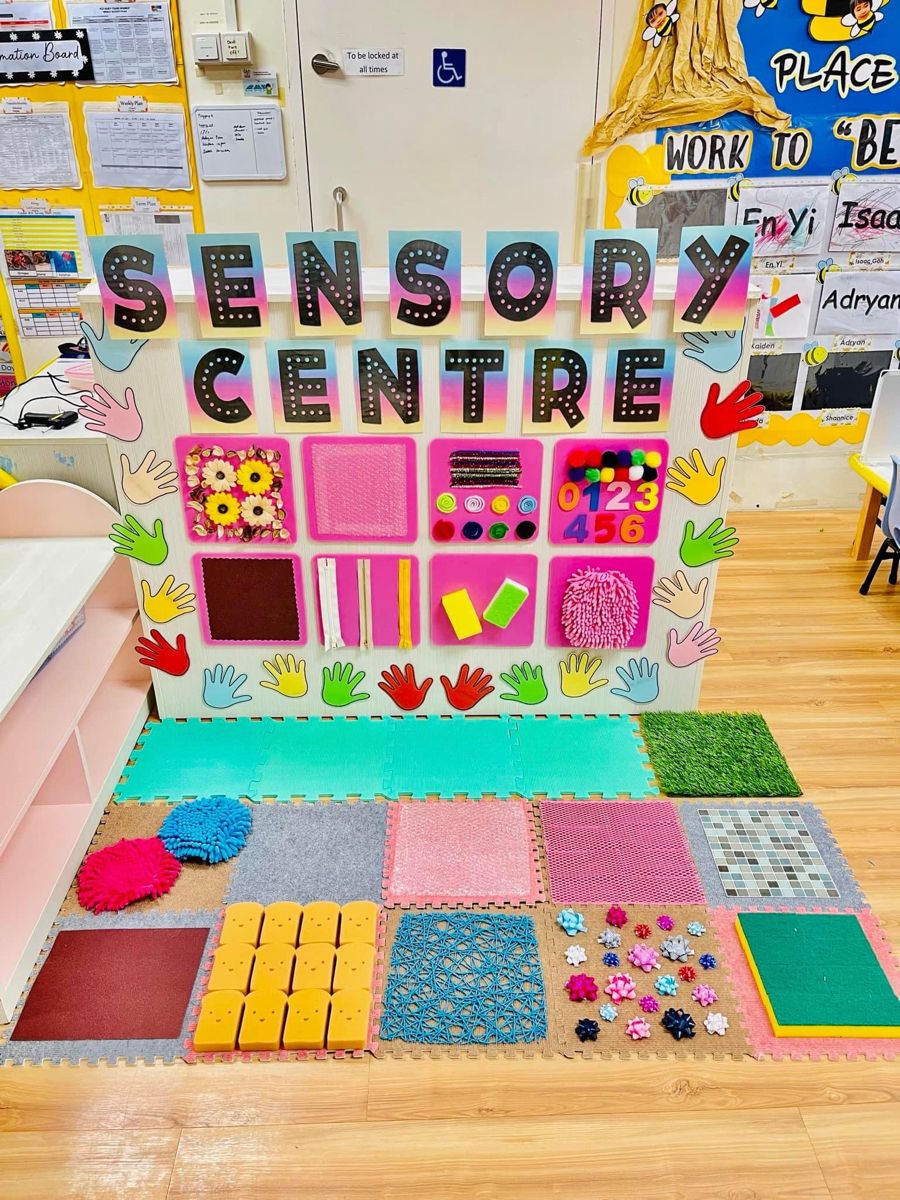
To mitigate these challenges, consider sensory-friendly adaptations. Opt for detergents with milder fragrances or fragrance-free options, and store them in opaque containers to reduce olfactory assault. Soft, seamless clothing labels and tags can eliminate the irritation of rough seams against the skin. Additionally, noise-canceling headphones or earplugs can muffle the cacophony of household appliances, creating a more controlled auditory environment. The goal is not to eliminate sensory input entirely but to curate it, transforming laundry from a sensory storm into a manageable drizzle.

The Cognitive Maze: Breaking Down Laundry into Manageable Steps
Laundry is a multi-step process—a cognitive puzzle where each piece must be sorted, pretreated, loaded, and timed with precision. For autistic individuals who struggle with executive function, this sequence can feel like navigating a maze without a map. The challenge lies not in the physical act of washing clothes but in the mental orchestration required to complete the task efficiently. Missing a step, such as forgetting to add detergent or misjudging the water temperature, can lead to frustration or incomplete results.
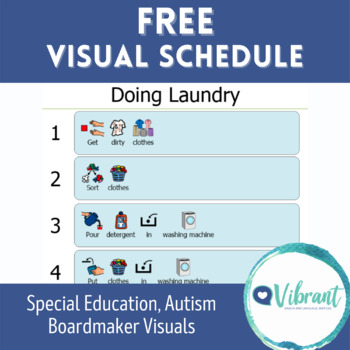
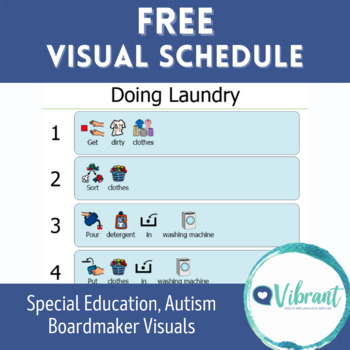
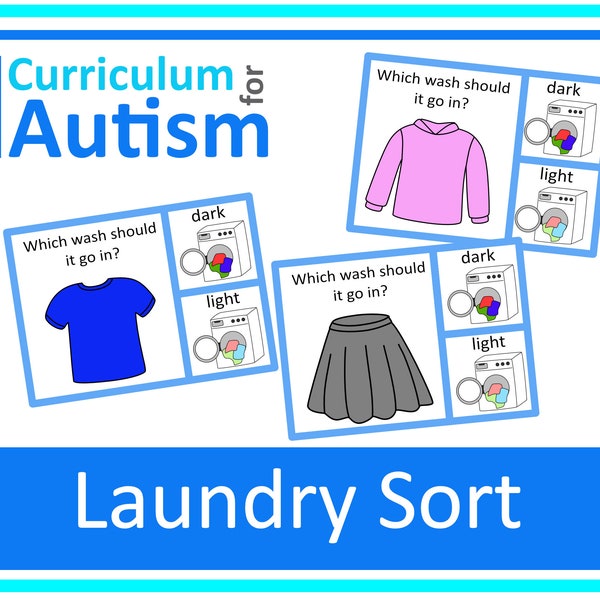
Visual schedules and step-by-step guides serve as cognitive scaffolding, breaking the laundry process into digestible, sequential tasks. A visual schedule might depict icons of a washing machine, detergent bottle, and clothesline, each step clearly delineated. For those who thrive on routine, assigning laundry to a specific day or time of day can reinforce predictability. Additionally, color-coding laundry baskets—red for darks, blue for lights, and green for delicates—can simplify the sorting process, reducing cognitive load and streamlining the workflow.
The Emotional Alchemy: Transforming Frustration into Confidence
Laundry is not merely a physical task; it is an emotional journey. The frustration of a spilled detergent cap, the anxiety of a misplaced sock, or the disappointment of a shrunk favorite shirt can evoke strong emotions. For autistic individuals, these emotional responses may be amplified, turning a simple chore into a source of stress. Yet, with the right support, laundry can become a source of pride—a tangible demonstration of independence and competence.
Celebrate small victories. Completing a load of laundry without assistance, folding clothes neatly, or even simply remembering to start the machine can be monumental achievements. Positive reinforcement, such as verbal praise or a small reward, can bolster confidence and motivation. Additionally, framing laundry as a self-care activity—one that contributes to personal well-being and autonomy—can shift the narrative from obligation to empowerment. The key is to cultivate a mindset where laundry is not a burden but a ritual, a quiet act of self-preservation and growth.
The Social Fabric: Involving Others Without Overwhelming Support
Laundry is often a solitary task, but for autistic individuals who benefit from social interaction, involving others can make the process more engaging. A family member or friend can provide gentle guidance, not by taking over the task but by offering reassurance or sharing the experience. For example, a sibling might help sort clothes while chatting about the day’s events, turning laundry into a shared activity rather than a solo endeavor.
However, it’s crucial to strike a balance between support and autonomy. Over-assistance can undermine confidence, while too little support can leave the individual feeling lost. The goal is to create a collaborative environment where guidance is offered without stripping away the opportunity for independence. Think of it as a dance—one partner leads, the other follows, and together they create a harmonious rhythm.
The Technological Thread: Leveraging Tools for Efficiency
In an era where technology permeates every aspect of life, laundry is no exception. Smart washing machines with customizable settings, laundry apps that track cycles, and even robotic helpers like laundry-folding robots are revolutionizing the way we approach this chore. For autistic individuals, these tools can be game-changers, offering precision, predictability, and reduced sensory input.
Consider a washing machine with pre-programmed settings for different fabric types, eliminating the need to manually adjust water temperature or spin speed. A laundry app can send notifications when a cycle is complete, reducing the anxiety of forgetting to switch loads. For those who struggle with fine motor skills, front-loading machines with larger doors can simplify the process of loading and unloading clothes. Technology, when wielded thoughtfully, can transform laundry from a daunting task into a streamlined, almost effortless experience.
The Ritual of Renewal: Finding Meaning in the Mundane
Laundry is, at its core, a ritual of renewal. It is the act of washing away the old to make way for the new—a metaphor for personal growth and transformation. For autistic individuals, this ritual can take on a deeper significance. Completing a load of laundry is not just about clean clothes; it is about reclaiming a sense of control, mastering a skill, and contributing to one’s own well-being.
To infuse laundry with meaning, consider framing it as a meditative practice. The rhythmic hum of the washing machine, the repetitive motion of folding clothes, and the satisfaction of a neatly organized drawer can become a form of mindfulness. Alternatively, view laundry as an act of service—one that ensures comfort, hygiene, and readiness for the day ahead. By shifting the perspective from chore to ritual, laundry transcends its mundane origins and becomes a quiet, powerful act of self-care.
Laundry, in all its complexity, is a microcosm of life—a tapestry woven from sensory experiences, cognitive challenges, emotional responses, and social dynamics. For autistic individuals, navigating this tapestry requires patience, creativity, and a willingness to adapt. Yet, with the right tools and mindset, laundry can become more than a task; it can be a journey of discovery, a testament to resilience, and a celebration of independence. By simplifying the process, honoring individual needs, and embracing the unique rhythms of each person’s experience, laundry transforms from a chore into a choreography—one where every step, every fold, and every spin is a note in a symphony of self-sufficiency.