In the labyrinth of the human mind, where emotions twist and memories linger like shadows, two conditions often intertwine in ways that defy simple explanation: autism and post-traumatic stress disorder (PTSD). At first glance, they seem worlds apart—one a neurodevelopmental difference, the other a response to external trauma. Yet, beneath the surface, their relationship is far more intricate, a dance of vulnerability and resilience that shapes countless lives. What if the very traits that define autism—the heightened sensory perceptions, the deep emotional processing, the relentless pursuit of routine—could also make one more susceptible to the echoes of past trauma? And what if, in understanding this overlap, we uncover not just the wounds but the pathways to healing?
This exploration is not about labeling or limiting. It is about peeling back the layers of a complex reality, where the mind’s wiring and the body’s reactions collide in ways that demand our attention. For those navigating this terrain, whether as individuals, caregivers, or clinicians, the stakes are high. Misunderstanding can lead to misdiagnosis, while clarity can unlock doors to support and recovery. So, let us embark on this journey together, not as observers, but as seekers of truth, ready to challenge assumptions and embrace the nuance that defines the human experience.
The Hidden Nexus: How Autism and PTSD Intersect
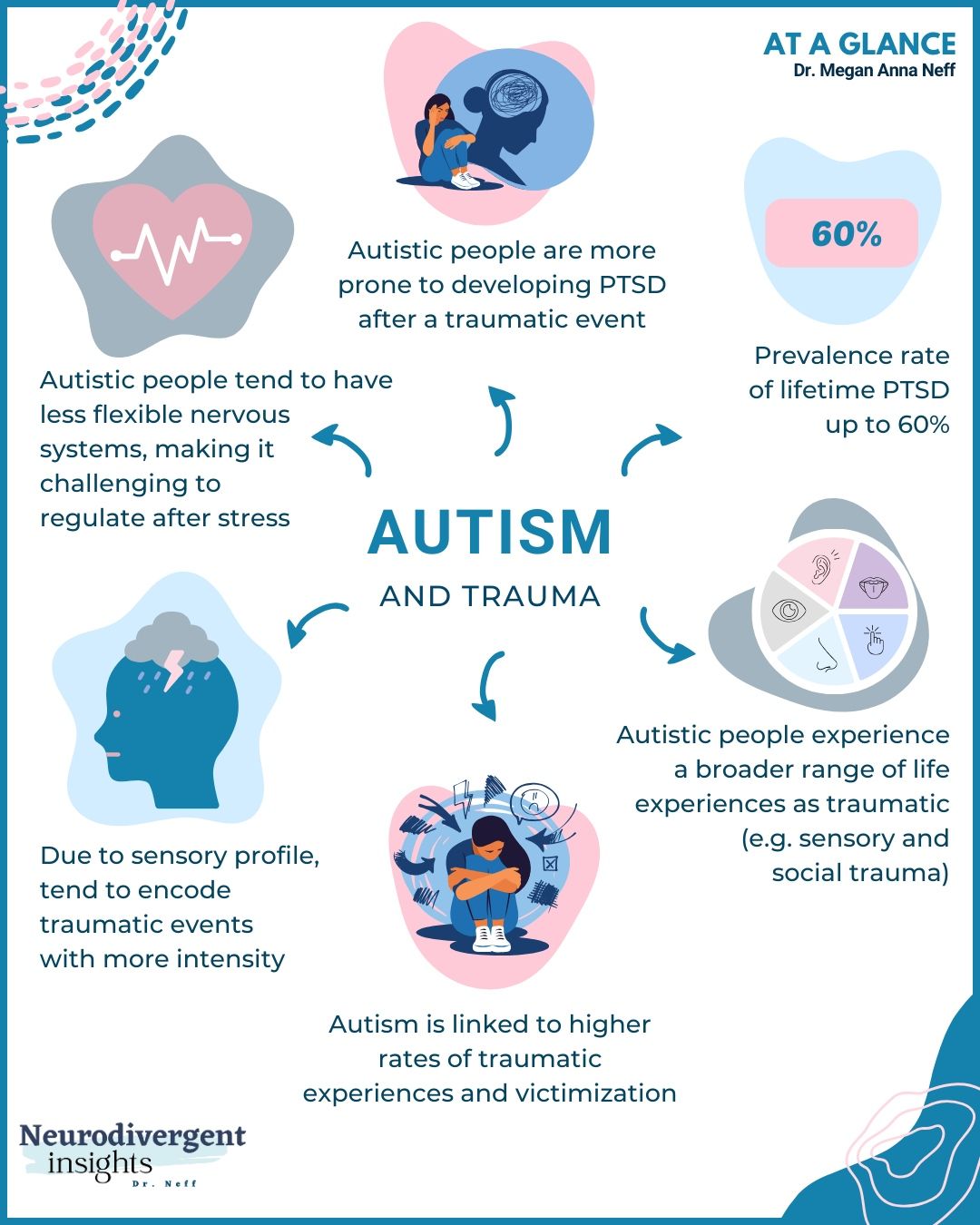
Autism spectrum disorder (ASD) and PTSD are often discussed in isolation, but their convergence is a silent epidemic. Research suggests that autistic individuals are disproportionately affected by trauma, with studies indicating that up to 80% may experience PTSD symptoms at some point in their lives. This staggering statistic is not a coincidence but a reflection of the unique vulnerabilities embedded in the autistic experience.
Consider the sensory world of an autistic person. Where neurotypical individuals might filter out background noise or dismiss flickering lights, an autistic mind may process these stimuli as overwhelming, even painful. This hypersensitivity can turn everyday environments into minefields of potential triggers. A crowded subway, a fluorescent-lit office, or even a well-meaning hug can become sources of distress, not because of malice, but because the nervous system is wired to absorb and amplify sensations. Over time, these repeated exposures can erode resilience, leaving the individual trapped in a cycle of hypervigilance and exhaustion.
Then there is the matter of social navigation. Autistic individuals often face relentless social expectations—masking emotions, deciphering unwritten rules, enduring bullying or exclusion. These experiences, though not always labeled as traumatic, can leave indelible marks on the psyche. The cumulative effect of such interactions can mimic the symptoms of PTSD, blurring the lines between “typical” social struggles and genuine trauma responses. The result? A landscape where the line between autism and PTSD becomes blurred, where the very traits that define a person’s identity also become the seeds of their distress.
The Neurobiology of Vulnerability: Why Autism Heightens Trauma Risk
To understand why autism and PTSD are so often intertwined, we must delve into the neurobiology of both conditions. The amygdala, the brain’s alarm system, is often hyperactive in autistic individuals, reacting to stimuli with an intensity that can feel uncontrollable. This heightened reactivity primes the nervous system for a trauma response, even in the absence of a single, catastrophic event. Instead, the trauma is cumulative—a thousand small cuts that never quite heal.
Meanwhile, the prefrontal cortex, responsible for emotional regulation and impulse control, may struggle to modulate these reactions. This disconnect can leave autistic individuals feeling like passengers in their own bodies, unable to soothe the storm of emotions that rage within. The result is a nervous system that is perpetually on edge, a state that, over time, can lead to the hallmark symptoms of PTSD: intrusive memories, avoidance behaviors, and a heightened startle response.
But the story does not end there. The very traits that make autistic individuals more susceptible to trauma can also become their greatest assets in recovery. The same deep focus that allows an autistic person to hyperfixate on a topic can be harnessed to explore therapeutic techniques. The same honesty that leads to social misunderstandings can become a foundation for authentic healing. The key lies in recognizing these strengths and using them as tools, rather than obstacles, in the journey toward recovery.
Recognizing the Signs: When Autism Masks Trauma
One of the most insidious challenges in addressing the overlap between autism and PTSD is the way autism can mask trauma symptoms. An autistic individual may not exhibit the classic signs of PTSD—flashbacks, nightmares, or emotional outbursts—because their coping mechanisms are already deeply ingrained in their daily lives. Instead, trauma may manifest as increased rigidity, social withdrawal, or a regression in previously mastered skills.
For example, a child who once enjoyed social interactions may suddenly refuse to leave the house, not because of a fear of the outside world, but because the cumulative stress of navigating it has become unbearable. An adult who previously thrived in a structured environment may find themselves unable to maintain routines, their nervous system overwhelmed by the demands of daily life. These shifts are often misattributed to the individual’s autism, rather than recognized as potential signs of underlying trauma.
This is where the concept of “autistic burnout” enters the conversation. Often dismissed as a mere exhaustion, autistic burnout can be a profound response to prolonged stress and trauma. It is characterized by a loss of skills, a deepening of sensory sensitivities, and a sense of emotional detachment. Recognizing burnout as a trauma response is crucial, as it shifts the focus from managing symptoms to addressing the root causes of distress.

Pathways to Healing: Trauma-Informed Approaches for Autistic Individuals
Recovery from trauma, especially when intertwined with autism, is not a linear process. It requires a tailored approach that respects the individual’s unique needs and challenges. Traditional trauma therapies, such as prolonged exposure or cognitive behavioral therapy (CBT), may not always be effective for autistic individuals, as they often rely on verbal processing and emotional expression that can feel overwhelming or inaccessible.
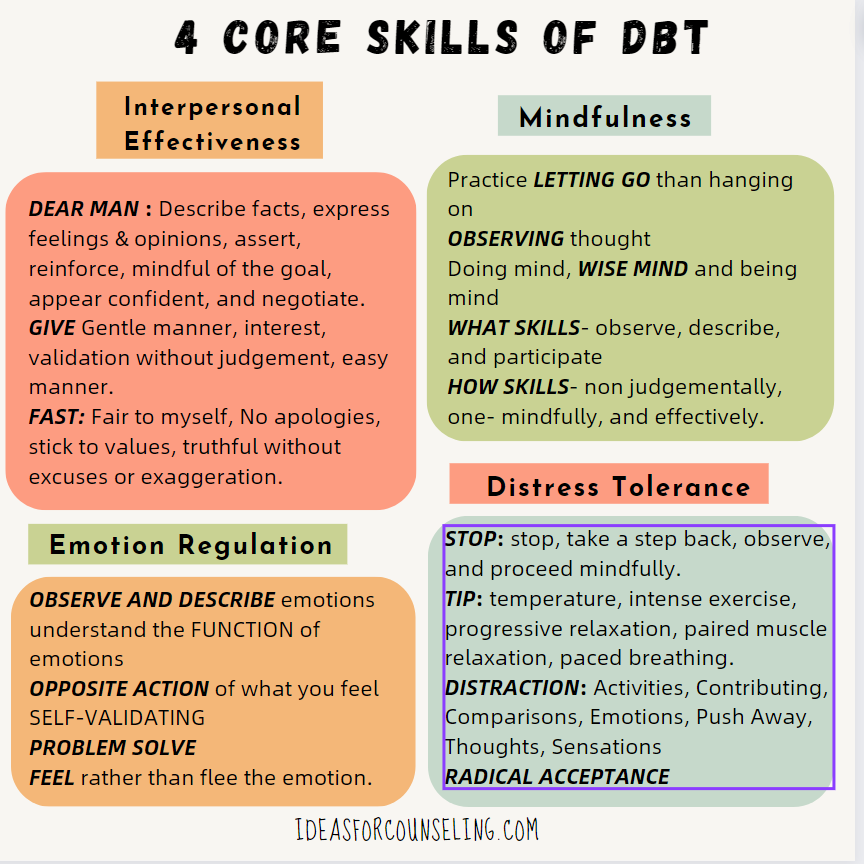
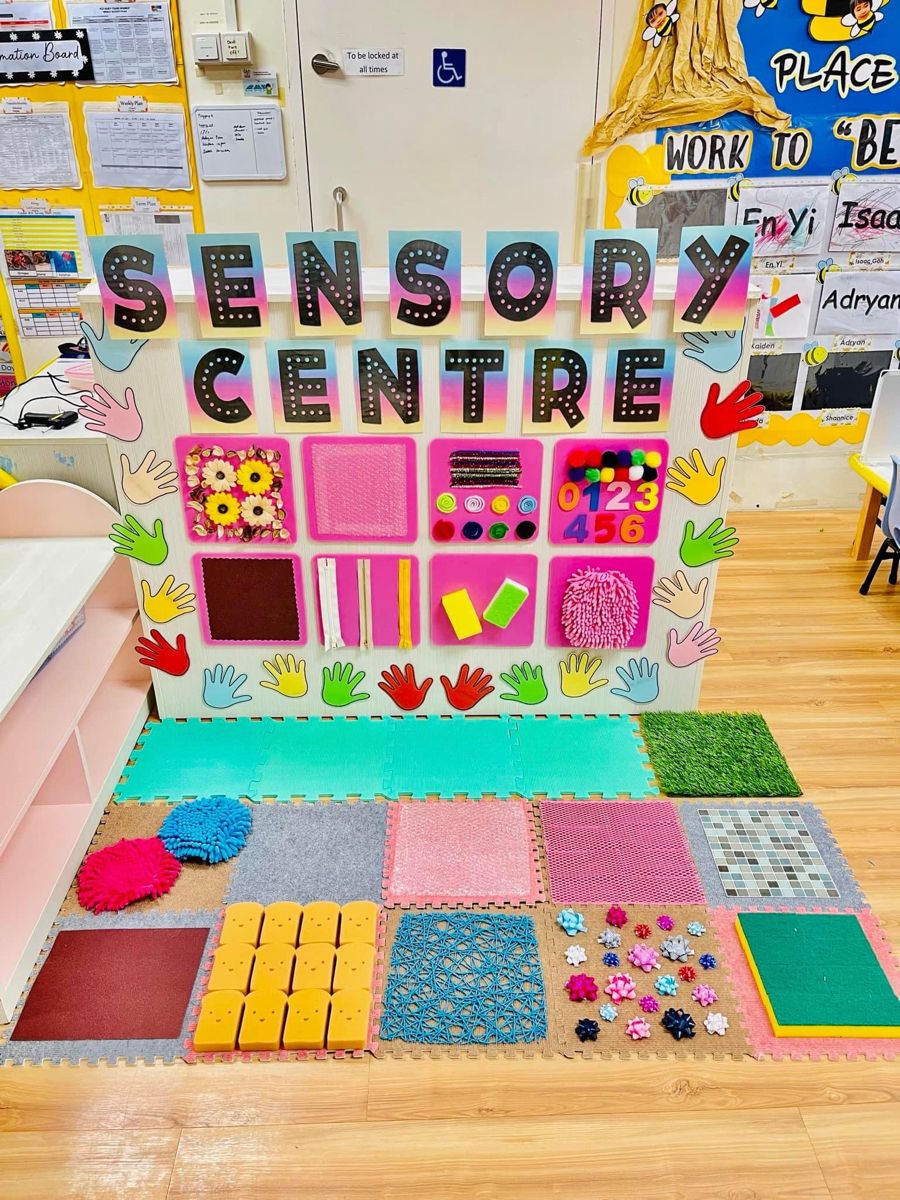
Instead, trauma-informed therapies that incorporate sensory integration, mindfulness, and structured routines may prove more beneficial. For example, sensory-based interventions can help regulate the nervous system, reducing the intensity of trauma responses. Mindfulness practices, adapted to the individual’s sensory and cognitive profile, can provide a sense of grounding and control. And structured routines can offer a sense of safety and predictability, which is often lacking in the chaotic aftermath of trauma.
One promising approach is the use of “trauma-sensitive” applied behavior analysis (ABA), which focuses on reducing distress rather than enforcing compliance. This method prioritizes the individual’s autonomy and comfort, creating a safe space for healing to occur. Similarly, therapies that incorporate art, music, or movement can bypass the limitations of verbal communication, allowing the individual to process and express their emotions in a way that feels natural and empowering.
It is also essential to address the social and environmental factors that contribute to trauma. For autistic individuals, this may mean advocating for accommodations in schools, workplaces, or public spaces. It may mean challenging societal norms that demand conformity and instead celebrating neurodiversity. Healing is not just about the individual; it is about creating a world that is safe, understanding, and inclusive for all.
The Role of Support Systems: Building a Foundation for Recovery
No one heals in isolation. The journey toward recovery is deeply personal, but it is also communal. For autistic individuals navigating trauma, support systems play a critical role in their ability to thrive. This support can take many forms: a therapist who understands the nuances of autism and trauma, a family member who advocates for accommodations, or a community of peers who share similar experiences.
However, support systems must be built on a foundation of trust and respect. Autistic individuals often face skepticism or dismissal when they express their needs or describe their experiences. This can lead to a profound sense of isolation, exacerbating the effects of trauma. To counter this, support systems must prioritize active listening, validation, and a willingness to learn. They must recognize that healing is not about “fixing” the individual but about creating an environment where they can feel safe, understood, and empowered.
For caregivers and loved ones, this means educating themselves about autism and trauma, seeking out resources, and advocating for systemic change. It means recognizing that behaviors that seem challenging or oppositional may be expressions of distress, and responding with compassion rather than punishment. It means celebrating small victories and acknowledging that recovery is not a destination but a journey, filled with ups and downs, progress and setbacks.
The Future of Understanding: Research and Advocacy
The intersection of autism and PTSD is still a relatively new field of study, but the growing body of research offers hope for a more nuanced understanding of these conditions. Scientists are beginning to explore the neurobiological mechanisms that link autism and trauma, as well as the effectiveness of tailored interventions. Advocacy groups are pushing for greater awareness and inclusion, challenging outdated stereotypes and demanding better support for autistic individuals.
Yet, there is still much work to be done. Many clinicians remain unaware of the overlap between autism and PTSD, leading to misdiagnoses and ineffective treatments. Schools and workplaces often lack the resources or training to accommodate the unique needs of autistic individuals, leaving them vulnerable to further trauma. To change this, we must advocate for better education, better policies, and better access to care.
This is not just a professional obligation; it is a moral imperative. Every individual deserves to live a life free from the shadows of trauma, to feel safe in their own skin, and to be seen for who they truly are. By embracing the complexity of autism and PTSD, we take a step closer to that vision—a world where healing is possible, and where every mind is valued.
The journey through the tangled web of autism and PTSD is not an easy one. It is a path marked by uncertainty, by moments of frustration, and by the occasional glimmer of hope. Yet, it is also a path that offers profound insights into the human condition—the resilience of the mind, the power of understanding, and the transformative potential of compassion. For those who walk this path, whether as individuals, caregivers, or allies, the reward is not just recovery, but a deeper connection to the shared experience of being human. In the end, it is not about fixing what is broken, but about embracing what is whole.