In the quiet hum of a guitar’s strings or the resonant chime of a piano, there lies a world of transformation—not just for the listener, but for the player. For children navigating the intricate landscape of autism, music is more than an art; it is a bridge to self-expression, a tool for cognitive growth, and a sanctuary of focus in a world that often feels overwhelming. The act of learning to play an instrument is not merely about mastering technique; it is a voyage into rhythm, emotion, and connection. This journey can reshape perspectives, not just for the child, but for parents, educators, and therapists who witness its profound impact. What if the key to unlocking a child’s potential lies not in adapting to their challenges, but in embracing the unique harmony they bring to the world?
Imagine a child who struggles to articulate their emotions, their thoughts tangled in a web of sensory overload. Now, picture them seated at a piano, fingers poised above the keys, eyes closed in concentration. As they strike the first note, something shifts—not just in the music, but within them. The instrument becomes a conduit, translating their inner world into something tangible, something beautiful. This is the power of music for children with autism: it offers a language when words fail, a rhythm when the world feels chaotic, and a sense of accomplishment when progress feels elusive. The decision to encourage a child with autism to learn an instrument is not just about skill acquisition; it is about nurturing resilience, fostering creativity, and opening doors to possibilities previously unimagined.
The Symphony of the Mind: How Music Reshapes Cognitive Pathways
Autism spectrum disorder (ASD) is often associated with challenges in communication, social interaction, and sensory processing. Yet, beneath these complexities lies a brain wired for pattern recognition, a trait that music exploits with remarkable efficacy. When a child with autism engages with an instrument, they are not merely playing notes—they are engaging in a full-body cognitive workout. The act of reading sheet music, coordinating hand movements, and interpreting tempo demands a level of mental agility that can strengthen neural connections over time. Studies suggest that musical training can enhance executive function, improving skills like working memory, attention regulation, and problem-solving. For a child whose mind races with thoughts or struggles to filter sensory input, music provides a structured yet flexible framework to harness their cognitive energy.
Consider the case of a nonverbal child who, through drumming, discovers a way to communicate their needs and emotions. The steady beat of a drum becomes a metronome for their internal world, offering predictability in an unpredictable environment. Music, in this context, is not just an activity; it is a form of cognitive scaffolding, supporting the child as they build new pathways to understanding and expression. The benefits extend beyond the individual. Parents and therapists often report observing a child’s increased ability to focus on tasks outside of music, suggesting that the skills cultivated during practice—such as patience, perseverance, and delayed gratification—spill over into other areas of life. In essence, music does not just teach a child to play an instrument; it teaches them to play with their mind.
From Silence to Sound: The Emotional Alchemy of Music
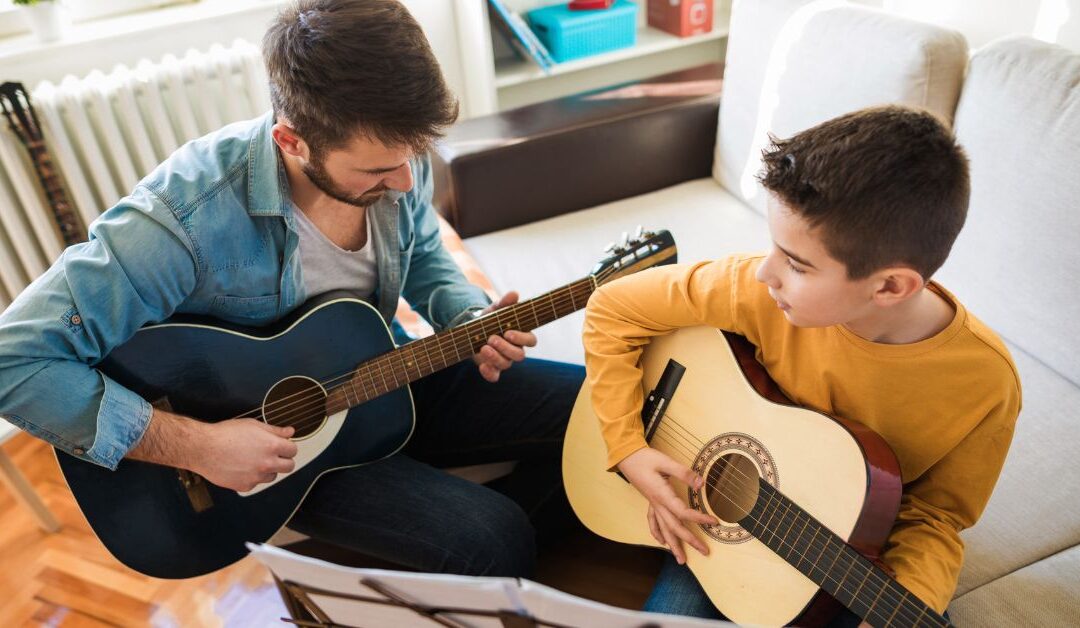
Emotions in autism are often described as intense, overwhelming, or difficult to regulate. Yet, music has an unparalleled ability to channel these emotions into something constructive. For a child who experiences meltdowns or anxiety, the act of playing an instrument can serve as a therapeutic outlet, a way to externalize feelings that might otherwise remain trapped inside. The vibrations of a cello, the crisp attack of a violin, or the gentle strum of a ukulele can evoke emotions in a way that words cannot. This emotional alchemy is not just cathartic; it is transformative. It allows the child to explore their inner world in a safe, controlled environment, where the consequences of expression are as fleeting as the last note played.
Take, for example, a child who struggles with social interactions. Playing an instrument in a group setting—whether in a school band or a community music class—can provide a low-pressure environment to practice turn-taking, listening, and collaboration. The shared experience of creating music fosters a sense of belonging, reducing feelings of isolation. Even for children who prefer solitary activities, music offers a private sanctuary where they can process their emotions without judgment. The act of composing a simple melody or improvising on a keyboard can be a deeply personal journey, one that builds self-awareness and emotional intelligence. In this way, music does not just soothe the soul; it awakens it, revealing layers of personality and potential that may have been obscured by the challenges of autism.
The Rhythmic Advantage: Sensory Integration and Motor Skills
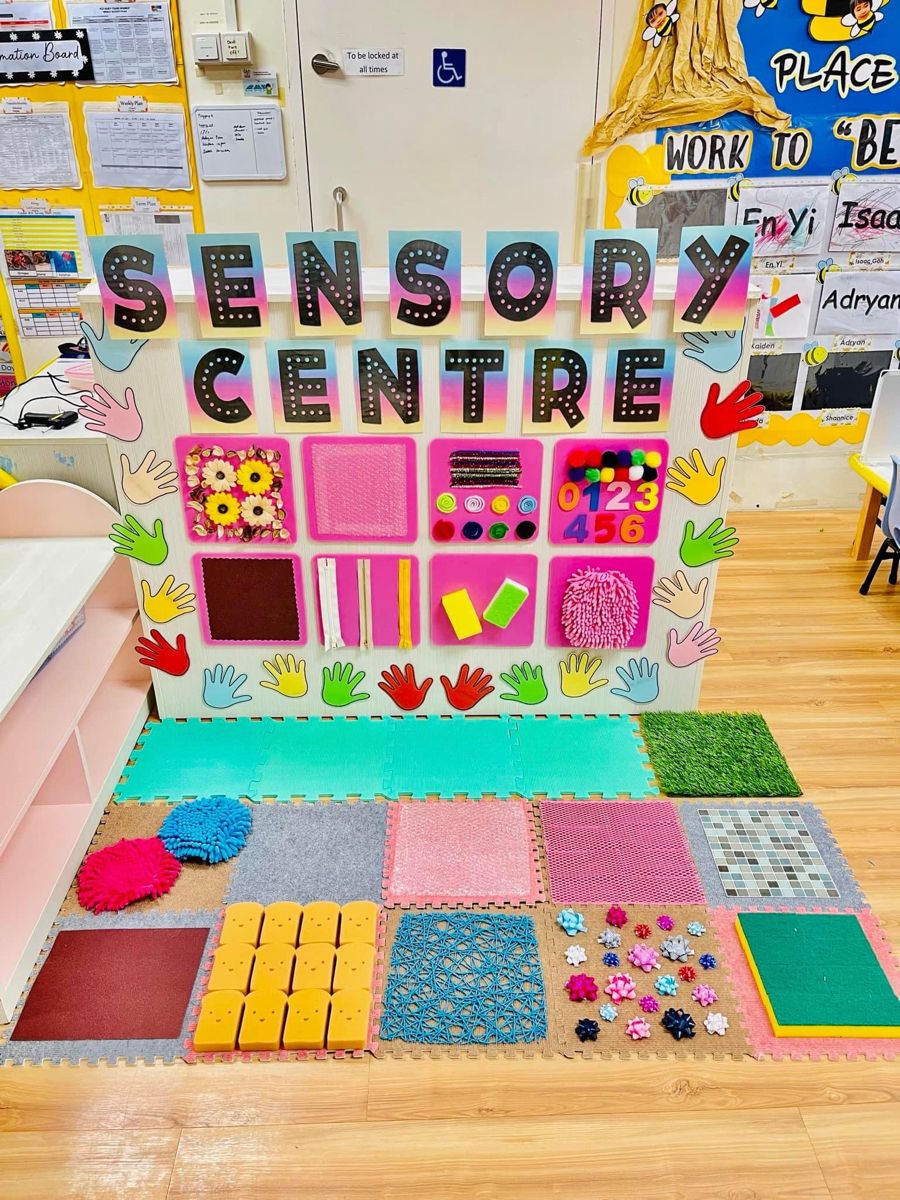
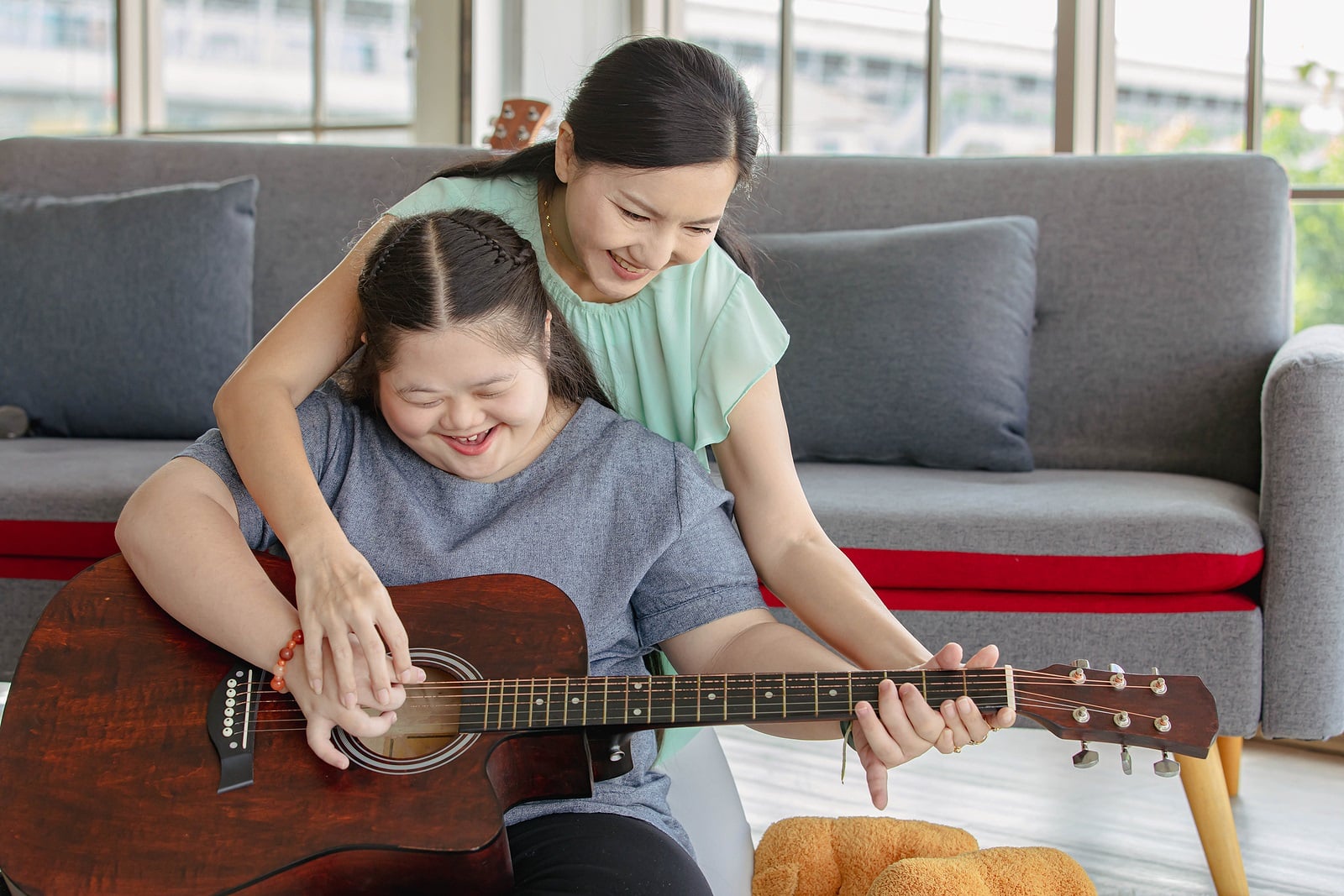
Sensory processing differences are a hallmark of autism, with many children experiencing either hypersensitivity or hyposensitivity to stimuli. For some, the texture of an instrument’s strings or the weight of a drumstick can be overwhelming; for others, these sensations may feel underwhelming, leading to a lack of engagement. Music, however, offers a middle ground—a way to gradually desensitize or stimulate the senses in a controlled, enjoyable manner. The tactile feedback from plucking guitar strings or the rhythmic vibrations of a piano bench can help a child become more attuned to their body and environment. Over time, this sensory integration can lead to improved motor skills, coordination, and body awareness.
Consider the child who initially recoils from the touch of a piano key but, through gentle exposure and positive reinforcement, learns to embrace the sensation. The act of pressing a key, feeling its resistance, and hearing the resulting sound creates a feedback loop that strengthens the connection between the brain and the body. This is particularly beneficial for children with motor planning challenges, such as those with dyspraxia, a common co-occurring condition in autism. Music provides a structured yet creative way to practice fine and gross motor skills, turning what might feel like a chore into a rewarding experience. The key lies in tailoring the instrument and approach to the child’s sensory preferences—whether that means starting with a lightweight xylophone, a soft-sounding harp, or a digital keyboard with adjustable volume settings.

Breaking Barriers: Social Connection Through Shared Harmony
One of the most profound promises of music for children with autism is its ability to dissolve social barriers. While autism can make traditional social interactions feel like navigating a minefield, music offers a universal language that transcends verbal communication. In a music therapy session or a group class, the focus shifts from social expectations to the shared goal of creating something beautiful. This shift in context can reduce anxiety and encourage participation in ways that conventional social settings cannot. For children who struggle with eye contact or conversation, the act of playing an instrument alongside peers can foster a sense of camaraderie without the pressure of direct interaction.
The benefits extend beyond the classroom or therapy room. Families who incorporate music into their daily routines often find that it becomes a bonding activity, a way to connect on a deeper level. Whether it’s singing a lullaby together, improvising on a family jam session, or attending a local concert, music creates shared experiences that strengthen relationships. For siblings of children with autism, participating in music can also foster empathy and understanding, as they witness firsthand the joy and challenges their brother or sister experiences. In this way, music does not just connect the child to themselves; it connects them to the world around them, one note at a time.
Choosing the Right Instrument: A Tailored Approach to Growth
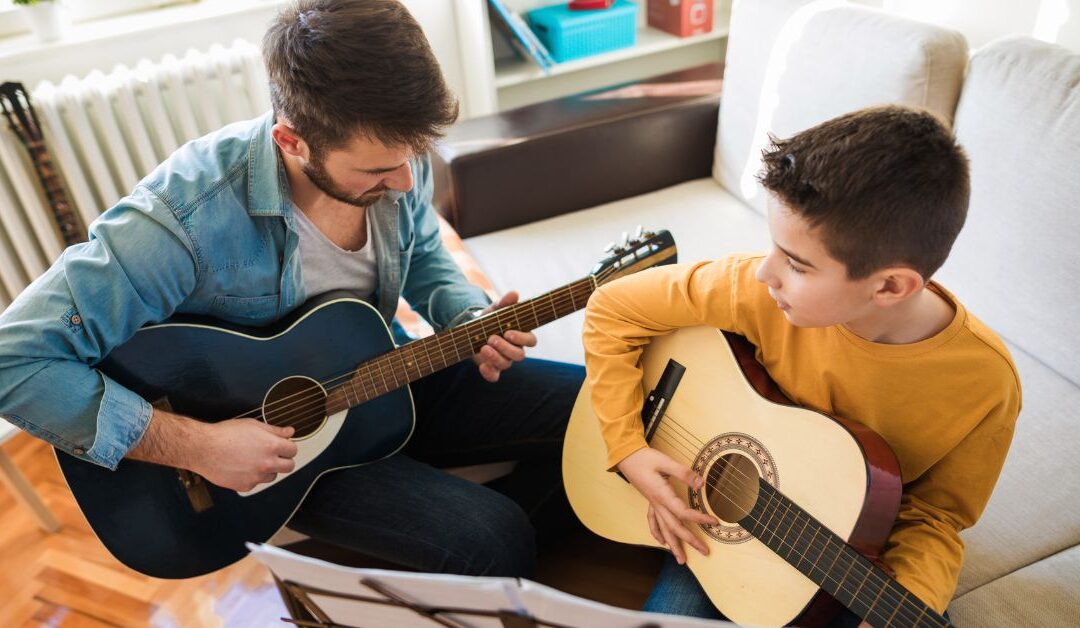
The journey of learning an instrument begins with the instrument itself—and not all instruments are created equal when it comes to meeting the unique needs of a child with autism. The ideal instrument should align with the child’s sensory preferences, motor abilities, and emotional temperament. For a child who is drawn to tactile stimulation, a piano or a harp might be an excellent choice, offering clear feedback with each touch. For a child who thrives on movement, a drum set or a marimba can provide the physical engagement they crave. Electronic instruments, such as keyboards or digital drums, offer the added benefit of customizable settings, allowing parents and teachers to adjust volume, sensitivity, and sound to suit the child’s needs.
It’s also important to consider the child’s interests and motivations. A child who loves animals might be drawn to the whimsical sounds of a violin, while one who is fascinated by technology might prefer a synthesizer. The goal is not to force a particular instrument but to find one that sparks curiosity and joy. Starting with a trial period—whether through a music therapy session, a rental program, or a beginner’s class—can help the child explore different options without the pressure of a long-term commitment. The right instrument will feel like an extension of the child, a tool that empowers them to express themselves in ways they never thought possible.
The first note is always the hardest. It trembles with uncertainty, with the fear of not measuring up, of not being “enough.” Yet, in that hesitation lies the seed of something extraordinary. For a child with autism, learning to play an instrument is not just about mastering a skill; it is about discovering a voice they never knew they had. It is about transforming silence into sound, isolation into connection, and challenges into triumphs. Music does not erase the difficulties of autism, but it offers a way to dance with them—to find rhythm in the chaos, harmony in the dissonance, and beauty in the unexpected.
Parents and educators who take this step with a child are not just teaching them to play an instrument; they are inviting them into a world where their differences are not deficits but strengths. They are showing them that their mind, with all its quirks and complexities, is capable of creating something extraordinary. And perhaps most importantly, they are reminding them that they are not alone. In the shared language of music, every child—regardless of where they fall on the spectrum—can find a place to belong. The journey may begin with a single note, but it ends with a symphony.