Autism spectrum disorder (ASD) continues to intrigue researchers and clinicians alike, as its profound connection with neurodevelopment presents complex challenges and opportunities for deeper understanding. Advances in neuroscience and brain imaging technologies have illuminated novel pathways of investigation, unveiling nuances within brain structure and function that rewrite the narrative surrounding autism and brain development. This article explores the evolving landscape of current findings, illustrating how these insights shape clinical approaches, societal perspectives, and future research trajectories.
Neurological Architecture and Autism
At the core of autism’s neurobiological basis lies the intricate architecture of the brain. Detailed neuroanatomical studies have revealed atypical patterns of connectivity that diverge from neurotypical development. These variances span multiple regions, including the prefrontal cortex, temporal lobes, and cerebellum. For instance, alterations in the synaptic density within the cerebral cortex often suggest deviations in neuroplasticity—how neurons connect and communicate—which may underpin the characteristic behavioral and cognitive profiles observed in individuals with ASD.
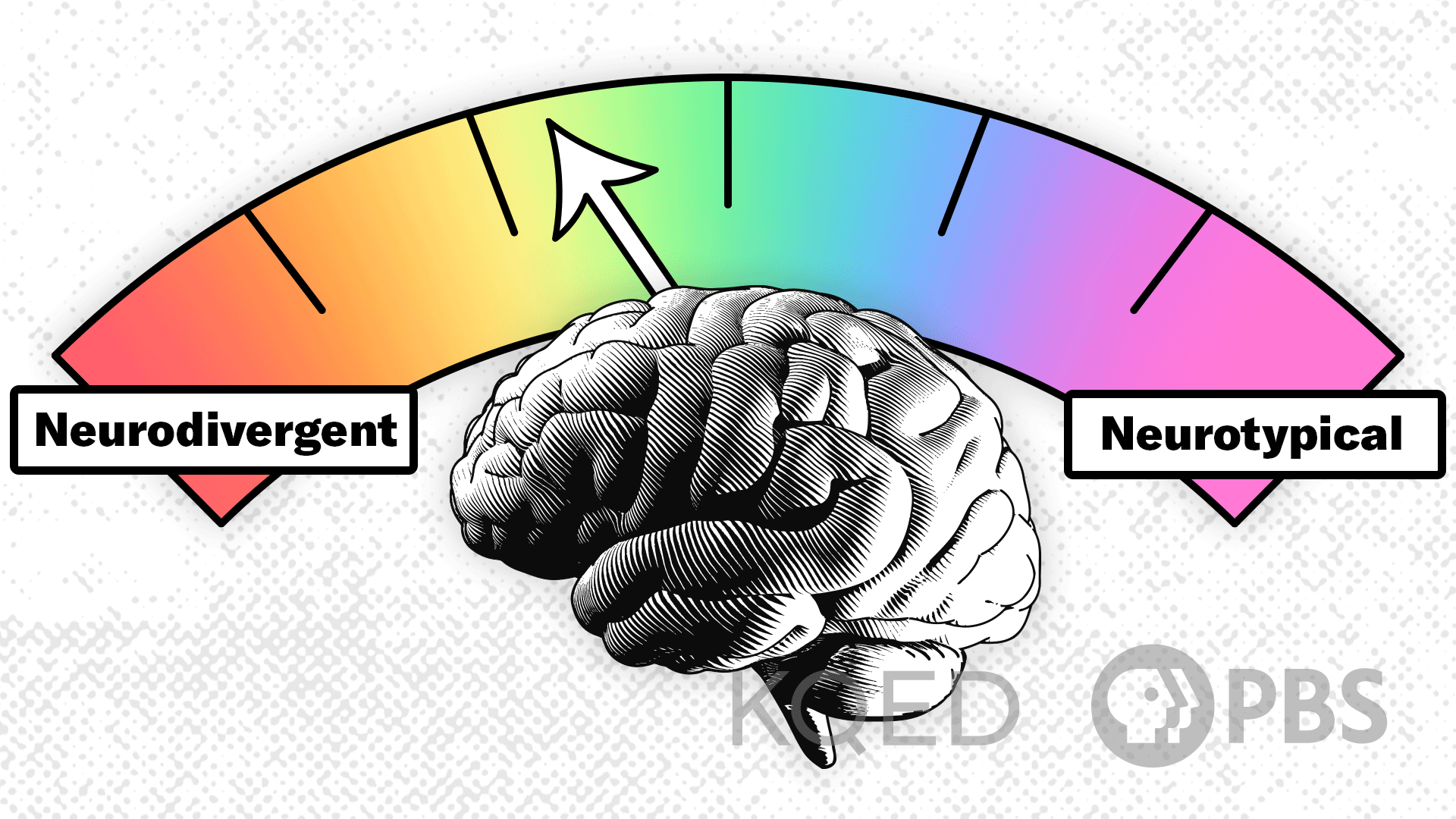
Moreover, the cortical thickness in various lobes can differ significantly between autistic and non-autistic brains, implicating this parameter as a potential biomarker for early diagnosis. Brain regions associated with language processing and social cognition display either hypo- or hyper-connectivity, which correlates with language delays and social difficulties often concomitant with autism.
Neurodevelopmental Trajectories
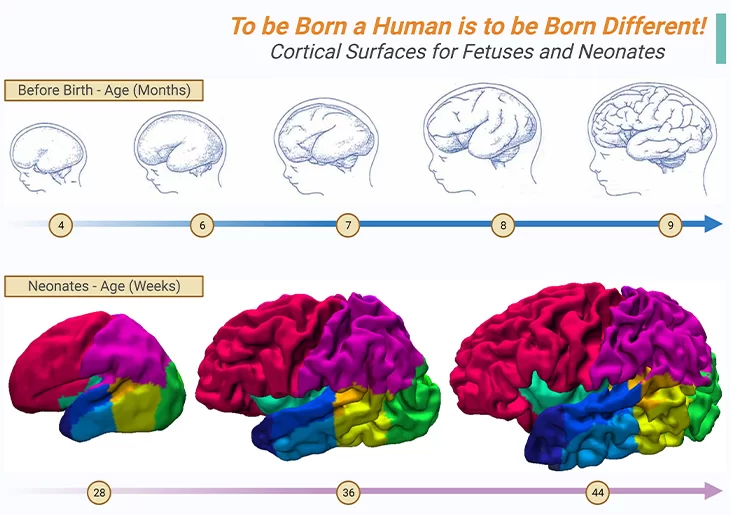
Autism’s genesis does not adhere to a linear developmental trajectory, instead manifesting as a dynamic interplay between genetic predispositions and environmental stimuli. Studies focusing on longitudinal brain scans have documented distinctive growth patterns, such as accelerated brain volume expansion in early infancy followed by a plateau or decline in adolescence.
This biphasic growth pattern is critically relevant because it underscores sensitive periods during which the neurodevelopmental environment can significantly influence outcomes. Early overgrowth particularly affects regions implicated in sensory processing and executive function, potentially leading to sensory sensitivities and difficulties in cognitive flexibility—hallmarks of the autistic experience.

Understanding these trajectories is imperative for clinicians aiming to optimize intervention timing. By identifying developmental inflection points, therapeutic strategies can be tailored to harness neuroplasticity, improving adaptive functioning and mitigating symptom severity.
Functional Brain States and Cognitive Diversity
Recent advances have shifted focus from static anatomical snapshots to dynamic assessments of brain activity. Functional magnetic resonance imaging (fMRI) and electroencephalography (EEG) have uncovered distinctive brain states that characterize the autistic mind. These states reflect oscillatory patterns and connectivity within neural networks responsible for memory, emotion, and sensory integration.

These emergent findings challenge the monolithic perception of autism by highlighting cognitive diversity rather than deficit. For example, atypical but highly efficient neural processing pathways confer unique strengths in pattern recognition and sustained attention in some individuals on the spectrum. Such insights promote a paradigm shift toward recognizing and nurturing neurodiverse talents alongside addressing challenges.
Genetic and Environmental Correlates
Autism’s etiological complexity is further accentuated by the intersectionality of genetic and environmental factors influencing brain development. Accumulating evidence identifies numerous gene variants linked to neuronal migration, synaptic function, and neurotransmitter regulation. These genetic underpinnings contribute to the heterogeneity seen across the spectrum.
Concurrently, prenatal and perinatal environmental factors—such as maternal inflammation, exposure to toxins, and nutrient availability—play a modulatory role in shaping neurodevelopmental outcomes. Epigenetic mechanisms provide an explanatory framework for how environmental inputs can influence gene expression without altering DNA sequences, thereby affecting brain maturation pathways associated with ASD.
Implications for Intervention and Society
Integrating these multifaceted findings into clinical practice fosters more personalized and efficacious interventions. Neuroimaging biomarkers aid in early identification, enabling prompt support during critical developmental windows. Moreover, understanding distinct brain functional states informs the design of cognitive therapies that align with individual strengths and preferences, facilitating engagement and learning.
On a broader scale, this scientific evolution influences societal perspectives on autism. It underscores the imperative of moving beyond deficit-centric models toward embracing neurodiversity and inclusivity. Such a shift reshapes educational policies, workplace accommodations, and social services, promoting environments that respect and harness the intrinsic potential inherent in diverse neurodevelopmental profiles.
In conclusion, the current corpus of research elucidates autism as a nuanced, multidimensional condition intricately linked to the mechanisms of brain development. Bridging anatomical, genetic, and functional domains, these insights pave the way for transformative approaches to diagnosis, intervention, and societal integration. Continued exploration promises to unravel further complexities, ultimately enhancing the quality of life for individuals on the autism spectrum and enriching our collective understanding of the human brain.