In a world that often measures success by rigid benchmarks, the arts emerge as a boundless frontier where creativity defies convention. For individuals on the autism spectrum, this frontier is not just a space of expression—it is a sanctuary where unique perspectives flourish uninhibited. Autism and the arts are not merely compatible; they are a symphony of untapped potential, a testament to the idea that neurodiversity is not a limitation but a catalyst for innovation. This exploration delves into the profound intersection of autism and artistic expression, revealing how nurturing creative talents can transform lives, challenge perceptions, and redefine what it means to thrive.
Imagine a canvas where colors bleed beyond their edges, a melody where silence speaks volumes, or a stage where movement transcends language. These are not abstract metaphors but vivid realities for many autistic individuals who perceive the world through a lens of heightened sensitivity and unfiltered imagination. The arts offer a conduit for these perceptions, allowing emotions and ideas to flow freely, unburdened by the constraints of societal expectations. Yet, the journey from potential to mastery is not without its hurdles. Societal misconceptions, limited access to resources, and the absence of tailored support systems often stifle the very talents that could redefine artistic landscapes. This article peels back the layers of this complex narrative, illuminating the pathways that lead to empowerment, recognition, and the celebration of autistic creativity.
The Spectrum of Creativity: How Autism Fuels Artistic Expression
Autism, a neurodevelopmental condition characterized by a spectrum of traits, often includes a predisposition toward intense focus, pattern recognition, and sensory sensitivity—qualities that are the lifeblood of artistic creation. For many autistic individuals, art is not a hobby but a lifeline, a way to navigate a world that can feel overwhelming or incomprehensible. The act of creating becomes a form of communication, a bridge between the internal and external realms. Studies have shown that autistic artists frequently exhibit a remarkable ability to perceive details that neurotypical individuals might overlook, translating these observations into works that are both intricate and evocative.
Consider the case of a nonverbal autistic child who, through painting, conveys emotions that words cannot capture. Their artwork, though abstract to some, is a vivid narrative of their inner world. Similarly, autistic musicians may compose pieces that defy traditional structures, weaving together dissonant harmonies that resonate with raw authenticity. These examples underscore a fundamental truth: autism does not hinder creativity; it redefines it. The arts provide a platform where autistic individuals can assert their presence, challenge stereotypes, and carve out spaces where their voices are not just heard but celebrated.
Yet, the relationship between autism and art is not one-dimensional. While some autistic artists thrive in structured environments, others find solace in the spontaneity of improvisation. The key lies in recognizing and accommodating these diverse needs. For instance, an autistic sculptor might require a quiet, dimly lit studio to focus, while a dancer on the spectrum may need tactile cues to synchronize movement with rhythm. By tailoring artistic practices to individual preferences, mentors and educators can unlock a treasure trove of untapped potential, fostering an environment where creativity knows no bounds.
Breaking Barriers: The Role of Support Systems in Nurturing Talent
The path to artistic fulfillment for autistic individuals is often fraught with obstacles, from skepticism about their abilities to systemic barriers in education and professional settings. However, the tide is turning as awareness grows and support systems evolve. Organizations and programs dedicated to autistic artists are emerging globally, offering mentorship, exhibition opportunities, and adaptive tools tailored to diverse needs. These initiatives are not merely acts of charity; they are investments in a future where neurodiversity is recognized as a wellspring of innovation.
One such program, The Artistic Spectrum Collective, pairs autistic artists with professional mentors who guide them through the nuances of their craft while advocating for their inclusion in mainstream art circles. The results are staggering. Participants in the program have gone on to showcase their work in prestigious galleries, collaborate with renowned artists, and even secure grants to fund their projects. Their success stories are a testament to the power of community and the transformative impact of tailored support.
Adaptive technologies are also playing a pivotal role in democratizing access to the arts. For autistic individuals with motor challenges, eye-tracking software enables them to create digital art with precision, while text-to-speech tools allow nonverbal artists to narrate their creative processes. These innovations are not just functional; they are revolutionary, dismantling the notion that disability equates to limitation. By embracing adaptive tools, the arts become a more inclusive space, where every individual, regardless of their neurotype, can contribute their unique vision to the world.
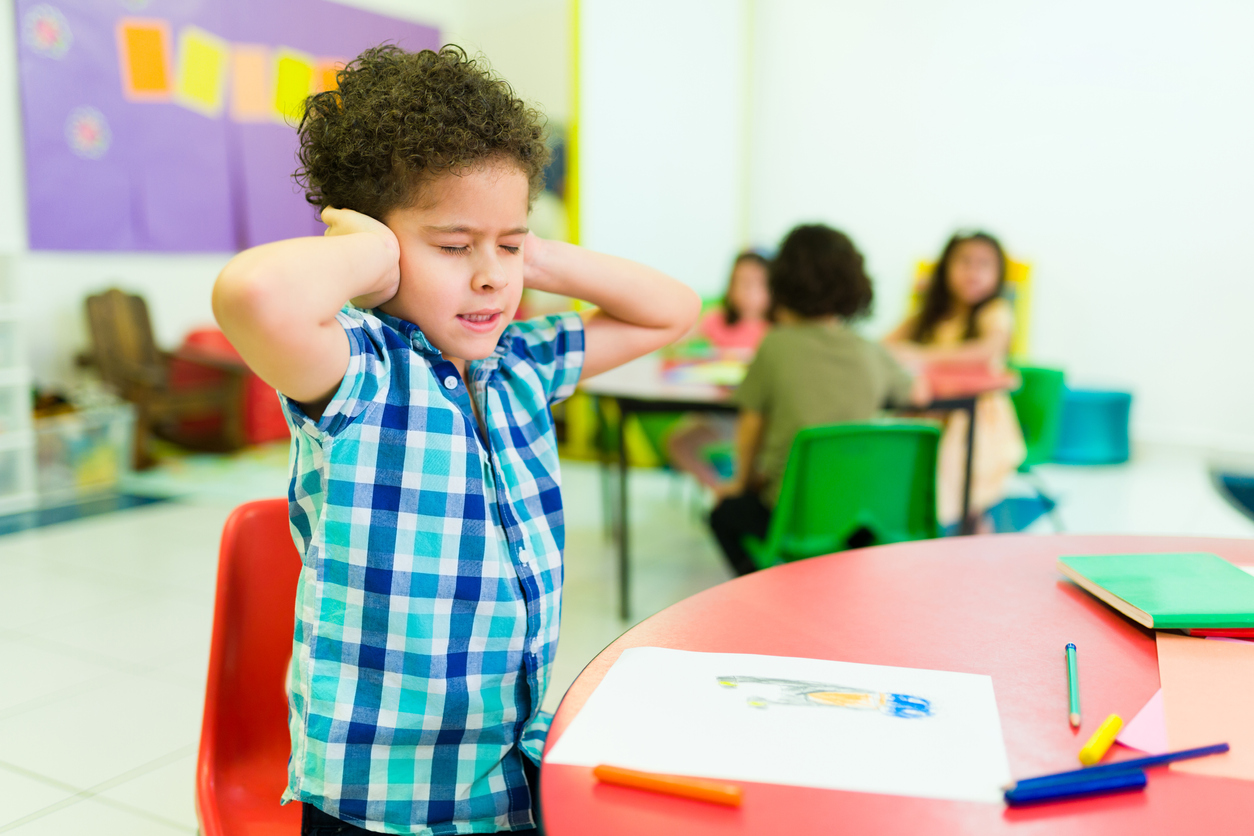
Yet, support must extend beyond the studio or stage. Families, educators, and peers play a crucial role in fostering an environment where autistic artists feel valued and encouraged. Simple acts—such as providing noise-canceling headphones for a sensory-sensitive painter or allowing flexible deadlines for a writer who thrives under pressure—can make a world of difference. The goal is not to “normalize” autistic artists but to create a framework where their differences are not just accepted but celebrated as integral to their creative identity.
From Studio to Stage: Showcasing Autistic Talent in the Public Eye
The art world, historically resistant to change, is gradually awakening to the brilliance of autistic creators. Galleries once dominated by a narrow aesthetic are now embracing works that challenge conventions, from hyper-detailed sketches to avant-garde performances that defy categorization. Autistic artists are not just participating in these spaces; they are redefining them. Their contributions are sparking conversations about the very nature of art—what it means to create, to interpret, and to value.
Take, for example, the Neurodiverse Arts Festival, an annual event that showcases the work of autistic and neurodivergent artists across multiple disciplines. The festival is not just a platform for exposure; it is a movement that challenges audiences to confront their preconceptions. Attendees are often left in awe of the raw emotion and technical skill displayed, prompting a reevaluation of what constitutes “good” art. Is it perfection? Or is it authenticity? The festival’s success lies in its ability to answer this question definitively: art is at its most powerful when it is unfiltered.
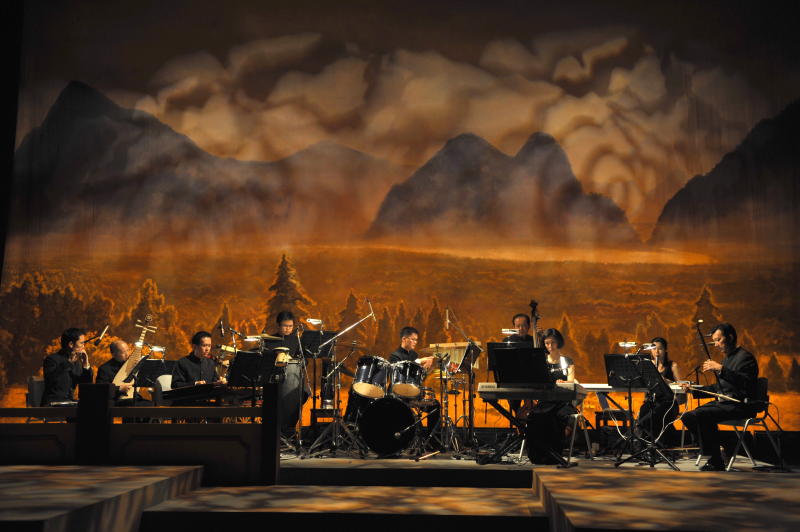
On the theatrical stage, autistic performers are breaking stereotypes with performances that blend physicality, sound, and silence in ways that traditional theater often overlooks. One such production, Silent Symphony, featured a cast of autistic actors who communicated through movement and music, creating an immersive experience that transcended language. Critics hailed the performance as a revelation, praising its ability to evoke empathy and introspection in ways that conventional narratives could not. These examples illustrate a broader shift in the cultural landscape, where the arts are increasingly seen as a vehicle for social change rather than mere entertainment.
The commercial art world is also taking notice. Major auction houses and galleries are beginning to feature autistic artists, with some works fetching prices that rival those of established names. This commercial validation is not just a financial boon; it is a cultural milestone, signaling a growing recognition of neurodiversity as a driver of artistic innovation. Yet, with this recognition comes responsibility. The art world must ensure that autistic artists are not exploited as novelties but are given the agency to shape their own careers and narratives.
Challenges and Triumphs: Navigating the Artistic Landscape
Despite the progress, the journey for autistic artists is far from seamless. The art world, with its emphasis on individualism and competition, can be a daunting place for those who think and communicate differently. Autistic artists often face microaggressions, from being labeled “inspired” for their work to being dismissed as “not fitting the mold.” These challenges are compounded by the lack of representation in art education, where curricula rarely accommodate neurodiverse learning styles. The result? Many autistic artists abandon their craft, not due to lack of talent, but because the environment feels inhospitable.
Yet, resilience often thrives in adversity. Many autistic artists have turned these challenges into fuel for their creativity. For instance, an autistic sculptor who struggled with traditional art classes found solace in working with unconventional materials like recycled plastics and metal scraps. Their work, though initially overlooked, gained acclaim for its environmental themes and innovative techniques. This story underscores a critical lesson: the obstacles faced by autistic artists are not insurmountable; they are opportunities for reinvention.
Mentorship programs and artist residencies tailored to neurodiverse individuals are proving to be game-changers. These initiatives provide a safe space for autistic artists to experiment, fail, and grow without the pressure of conforming to neurotypical standards. They also offer networking opportunities that can lead to collaborations, exhibitions, and even commercial success. The key is to move beyond tokenism and create pathways that are genuinely inclusive, where autistic artists are seen as equals rather than exceptions.
Another hurdle lies in the perception of autistic art as “outsider art”—a term that, while intended to celebrate, often ghettoizes the work of neurodivergent creators. True inclusion means integrating autistic artists into the mainstream, where their work is judged by the same criteria as any other artist’s. This requires a cultural shift, one that acknowledges that art is not a monolith but a mosaic of diverse voices. When autistic artists are given the same opportunities as their neurotypical peers, the result is not just better art—it is a richer, more vibrant cultural tapestry.
The Ripple Effect: How Autistic Artists Are Redefining Culture
The impact of autistic artists extends far beyond the canvas or the stage. Their work is reshaping societal attitudes toward neurodiversity, challenging the narrative that autism is a deficit to be managed rather than a difference to be celebrated. By sharing their stories through their art, autistic creators are fostering empathy, breaking down stigma, and inspiring others to embrace their own unique perspectives. In this way, the arts become a catalyst for social change, a tool for dismantling barriers and building bridges.
Consider the influence of autistic musicians on the music industry. Bands like Autistic Like Me are redefining what it means to be a performer, blending genres and experimenting with sounds that defy categorization. Their music resonates with audiences precisely because it is authentic, unfiltered, and devoid of the contrivances that often plague mainstream art. Similarly, autistic writers are gaining recognition for their ability to craft narratives that explore the nuances of neurodiversity with a depth and nuance that is rarely seen in literature. Their stories are not just about autism; they are about humanity in all its complexity.
The ripple effect of autistic artistry is also evident in education. Schools that incorporate arts programs for autistic students report not only improvements in fine motor skills and emotional regulation but also a boost in confidence and self-expression. These programs are not just about teaching art; they are about teaching life skills, about giving students the tools to navigate a world that often feels incomprehensible. The arts become a language, a way to communicate, to connect, and to belong.
Moreover, the commercial success of autistic artists is sending a powerful message to industries far beyond the arts. Companies are beginning to recognize the value of neurodiverse teams, particularly in fields that require innovation and out-of-the-box thinking. The lessons learned from supporting autistic artists—flexibility, creativity, and a willingness to challenge norms—are being applied to workplaces, leading to more inclusive and dynamic environments. In this way, the arts are not just a reflection of culture; they are a driver of change.
Empowerment Through Art: A Call to Action
The narrative of autism and the arts is not just a story of potential; it is a call to action. It is a reminder that creativity is not a privilege but a right, and that neurodiversity is not a challenge to overcome but a strength to harness. For parents, educators, and communities, the message is clear: invest in the arts for autistic individuals. Provide the tools, the opportunities, and the unwavering support they need to flourish. For artists, the challenge is to create without apology, to embrace their unique perspectives, and to share their work with the world unapologetically.
The future of art is not just diverse; it is neurodiverse. It is a tapestry woven with threads of every color, texture, and pattern imaginable. Autistic artists are not just participants in this future; they are its architects, its visionaries, and its most compelling storytellers. By nurturing their talents, we are not just enriching the arts—we are enriching society itself. We are teaching the world to see, to listen, and to feel in ways it never has before. And in doing so, we are not just changing the art world; we are changing the world.
So let us celebrate the autistic artists who are redefining creativity. Let us champion the programs that are breaking down barriers. And let us commit to a future where the arts are a space for everyone, regardless of neurotype. The canvas is vast, the stage is set, and the time for change is now. The question is not whether we can afford to embrace neurodiversity in the arts—it is whether we can afford not to.