Autism and physical education may seem like an unlikely pairing at first glance—one rooted in stillness, the other in motion. Yet, beneath the surface, lies a landscape where structured movement becomes a bridge to growth, connection, and self-discovery for autistic students. Physical education, often seen as a domain of athleticism and competition, transforms into a sanctuary of sensory integration, motor skill refinement, and emotional regulation when thoughtfully adapted. For autistic learners, the gymnasium or playground is not merely a space for exercise; it is a canvas where rhythm, repetition, and routine paint pathways to confidence and competence.
The challenge—and the beauty—of adapting physical education for autistic students lies in recognizing that their bodies and minds operate on their own unique frequencies. What appears chaotic to an outsider may be a carefully orchestrated symphony of sensory input and motor planning for a child with autism. The key is not to force conformity to traditional PE norms, but to compose an environment where movement is not just tolerated, but celebrated in all its forms. This requires a shift from a one-size-fits-all model to a bespoke approach, where each student’s strengths, sensitivities, and aspirations are woven into the fabric of the curriculum.
The Gym as a Sensory Laboratory: Where Movement Meets Mind
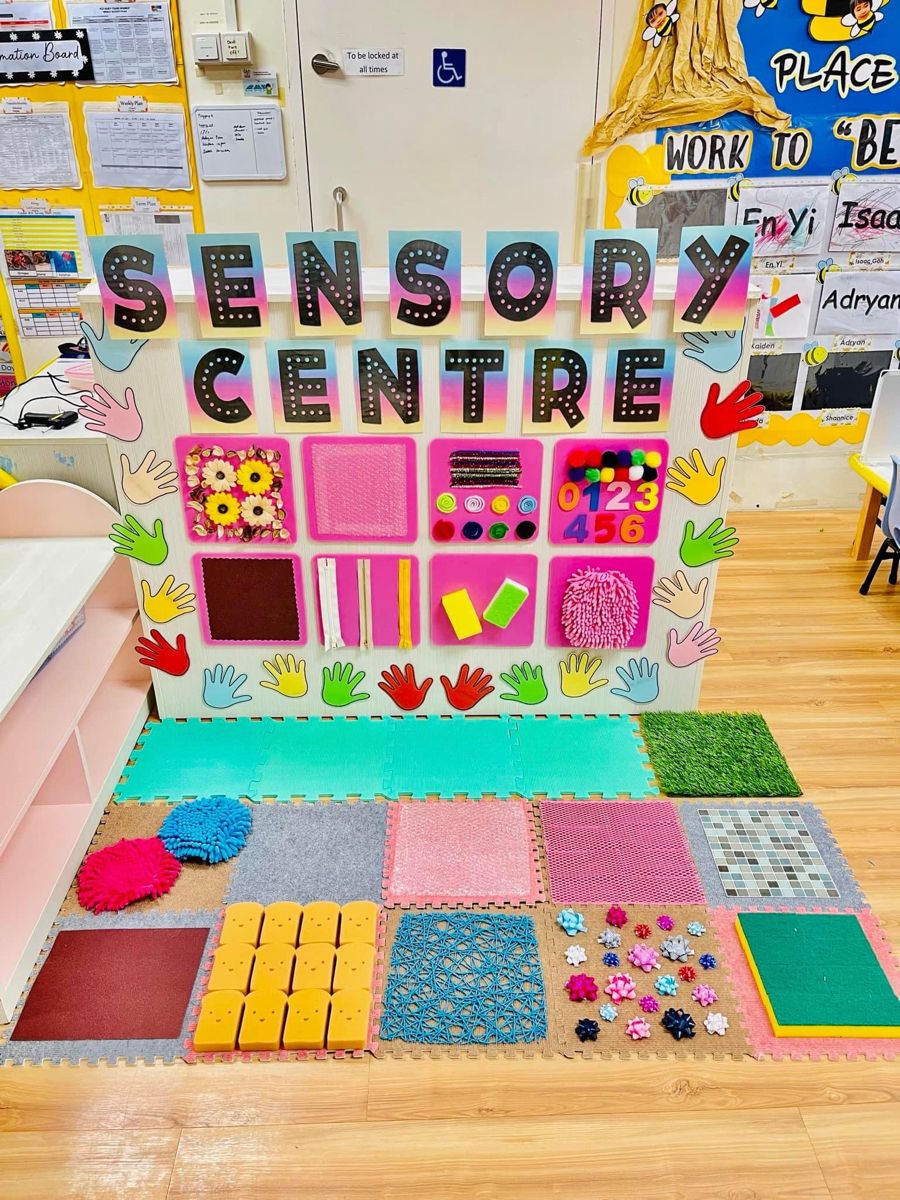
Imagine stepping into a sensory laboratory disguised as a gymnasium. The fluorescent lights hum overhead, the floor echoes with footsteps, and the air carries the scent of rubber mats and sweat. For many autistic students, this environment is overwhelming—an assault on the senses that can trigger anxiety or shutdown. Yet, when adapted with intention, the same space becomes a controlled ecosystem where sensory input is not just endured, but harnessed.
Sensory integration is the cornerstone of adapting PE for autistic learners. Activities like trampoline jumping, weighted ball exercises, or rhythmic movement to music can provide the deep pressure or vestibular input that many autistic students crave. These aren’t mere diversions; they are therapeutic tools that help regulate the nervous system, allowing the student to focus and engage. For instance, a student who struggles with transitions might benefit from a visual schedule paired with a sensory break—perhaps five minutes of swinging on a platform swing—before transitioning to the next activity. The result? A smoother, more predictable flow of movement that reduces stress and enhances participation.
But sensory adaptation goes beyond individual preferences. It’s about creating a balance. Too much stimulation can overwhelm; too little can leave a student disengaged. The solution lies in offering a spectrum of sensory experiences, allowing students to choose what works best for them. Some may thrive in the quiet focus of a yoga session, while others may find solace in the rhythmic repetition of jumping rope. The goal is not to eliminate challenge, but to make it accessible—like tuning an instrument until the notes resonate just right.
Structure as the Invisible Choreographer: Routines That Move with Purpose

In the world of autism, predictability is power. A well-structured PE class acts as an invisible choreographer, guiding students through a sequence of activities with clarity and consistency. Visual schedules, timers, and clear transitions transform the unpredictable into the familiar, reducing anxiety and fostering independence. For autistic students, a schedule isn’t just a tool—it’s a lifeline.
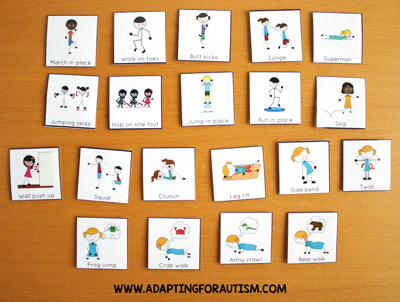
Consider the power of a visual schedule that outlines each segment of the PE class: warm-up, skill practice, game play, and cool-down. Each activity is represented by an image or icon, providing a concrete roadmap for the session. A timer placed prominently in the room adds another layer of predictability, signaling when one activity ends and the next begins. This structure doesn’t stifle creativity; it provides the framework within which creativity can flourish. Students know what to expect, when to expect it, and how to prepare—empowering them to participate with confidence.
But structure isn’t just about visual aids. It’s also about the language we use. Clear, concise instructions—delivered with a calm and steady tone—help autistic students process information more effectively. Breaking down complex movements into smaller, manageable steps (e.g., “Step forward, then swing the racket”) reduces cognitive load and increases the likelihood of success. The result is a class where students aren’t just following directions; they’re mastering skills at their own pace, building competence one step at a time.
Movement as a Language: Communicating Through the Body
For autistic students who are nonverbal or have limited speech, physical education offers a unique opportunity to communicate through the body. Movement becomes a language—one that transcends words and speaks directly to the soul. Whether it’s the graceful arc of a dancer’s arm, the focused precision of a bowler’s release, or the joyful leap of a child on a trampoline, these actions convey emotions, intentions, and achievements that might otherwise go unnoticed.
Adapting PE to honor this form of expression means valuing process over product. A student who sways to music isn’t just “off-task”; they’re engaging in a form of self-expression that brings them joy and connection. A child who prefers to walk along the perimeter of the gym rather than participate in a team game isn’t disengaged; they’re finding comfort in the rhythm of their own movement. The goal isn’t to force conformity to traditional athletic norms, but to create an environment where every form of movement is celebrated as a valid and valuable contribution.
This approach also fosters social connection. When students are encouraged to express themselves through movement, they begin to recognize the shared humanity in their peers’ actions. A group dance session, for example, becomes a collaborative exploration of rhythm and space, where each participant’s unique style is an integral part of the whole. The result is a classroom where diversity isn’t just tolerated—it’s celebrated as the very essence of what makes us human.
The Role of Technology: Tools That Bridge the Gap
In the modern era, technology has emerged as a powerful ally in adapting physical education for autistic students. From wearable sensors that track movement patterns to apps that provide real-time feedback, these tools offer new ways to engage, assess, and support learners. For instance, a student who struggles with hand-eye coordination might benefit from a virtual reality game that simulates catching a ball in a controlled, low-pressure environment. The technology provides immediate feedback, allowing the student to adjust their movements in real time without the pressure of a live audience.
Similarly, video modeling—a technique where students watch videos of peers performing a skill before attempting it themselves—can be a game-changer. For autistic learners who are visual thinkers, seeing a task broken down into clear, sequential steps makes it easier to replicate. Whether it’s dribbling a basketball or performing a yoga pose, video modeling provides a scaffold that supports skill acquisition and builds confidence.
But technology isn’t just about gadgets and apps. It’s also about leveraging the tools we already have in creative ways. For example, a simple stopwatch can become a powerful motivator, helping students track their progress in activities like running or jumping. A music player can transform a mundane exercise into a rhythmic journey, where the beat guides the movement. The key is to use technology not as a crutch, but as a catalyst for engagement and growth.
Inclusivity in Motion: Building a Community of Movers
Adapting physical education for autistic students isn’t just about individual accommodations—it’s about fostering a culture of inclusivity where every student feels seen, valued, and capable. This means rethinking traditional notions of athleticism and success. In an inclusive PE class, a student who excels at balancing on a beam is celebrated just as much as a student who scores a goal. A child who finds joy in rolling a ball across the floor is praised just as enthusiastically as a child who runs a sprint.
Inclusivity also means training peers to understand and appreciate neurodiversity. When neurotypical students learn to recognize the strengths and challenges of their autistic classmates, they become allies in creating a supportive environment. Peer mentoring programs, where students work together in mixed-ability groups, can foster empathy and collaboration. The result is a classroom where differences aren’t just acknowledged—they’re embraced as essential threads in the tapestry of human experience.
Ultimately, the goal of adapted PE is to help autistic students discover the joy of movement—not as a chore, but as a source of empowerment. Whether it’s the thrill of mastering a new skill, the satisfaction of overcoming a challenge, or the simple pleasure of feeling strong and capable, movement becomes a gateway to self-discovery. In this way, physical education transcends its traditional boundaries, evolving into a holistic practice that nurtures the body, mind, and spirit.
The gymnasium, once a place of rigid rules and competitive pressure, transforms into a sanctuary of possibility. Here, every student—regardless of their neurological wiring—can find their rhythm, their pace, and their place in the world of movement. And in doing so, they remind us all that the most profound adaptations aren’t just about changing the environment; they’re about changing the way we see ourselves and each other.