Autism spectrum disorder (ASD) presents a unique tapestry of challenges, where sensory sensitivities, communication barriers, and social complexities often intersect. Yet, within this intricate landscape, nature emerges as a profound ally—offering solace, structure, and a silent language of healing. Horticultural therapy, a specialized practice that merges gardening and plant-based activities with therapeutic intent, has begun to carve a niche in supporting individuals with autism. Its power lies not in grand gestures, but in the quiet rhythm of soil beneath fingertips, the vibrant hues of blooming flowers, and the rhythmic act of nurturing life. This article explores how horticultural therapy can serve as a transformative tool for those on the spectrum, illuminating pathways to emotional regulation, sensory integration, and social connection.
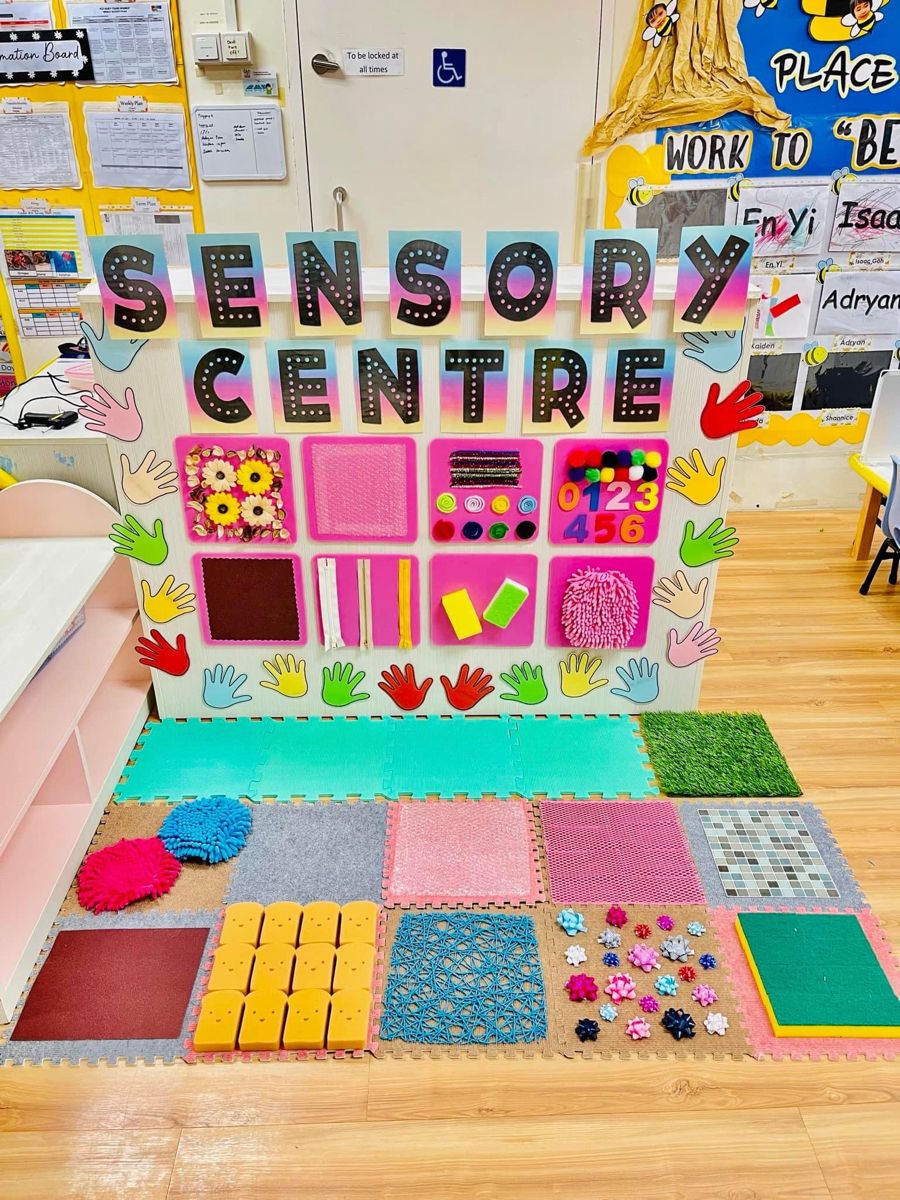
The allure of horticultural therapy for autistic individuals is rooted in its multisensory nature. Unlike traditional therapies that rely heavily on verbal exchange, this approach engages the body and mind through tactile, visual, and olfactory stimuli. For someone with autism, who may experience the world in a heightened or muted way, the garden becomes a sanctuary where sensory input is controlled, predictable, and inherently meaningful. The texture of damp soil, the earthy aroma of freshly turned earth, the crunch of leaves underfoot—each element offers a tangible anchor in a world that often feels overwhelming. This sensory-rich environment can help individuals with autism recalibrate their responses to external stimuli, fostering a sense of calm and grounding.
The Science Behind the Soil: How Horticultural Therapy Supports Neurodiversity
Research into the efficacy of horticultural therapy for autism is still burgeoning, but emerging studies and anecdotal evidence paint a compelling picture. One of the most significant benefits lies in its ability to enhance sensory integration. Many autistic individuals struggle with sensory processing disorder (SPD), where the brain misinterprets sensory information, leading to distress or withdrawal. Horticultural activities, such as planting seeds or watering plants, provide structured sensory input that can help regulate the nervous system. The repetitive motions involved in gardening—digging, pruning, or even simply touching different plant textures—can act as a form of proprioceptive input, which is often calming for those who seek deep pressure or tactile stimulation.
Moreover, the natural environment has been shown to reduce cortisol levels, the hormone associated with stress. A study published in the *Journal of Autism and Developmental Disorders* found that exposure to green spaces significantly lowered stress responses in autistic children. Horticultural therapy takes this a step further by incorporating purposeful activity, which can shift focus from internal distress to external engagement. The act of nurturing a plant—watching it grow from a fragile seedling to a thriving specimen—can instill a sense of agency and accomplishment, countering feelings of helplessness that often accompany autism.
From Seed to Social Growth: Cultivating Connection Through Shared Activities
Social interaction is a cornerstone of human experience, yet it can be a minefield for individuals with autism. Horticultural therapy offers a low-pressure social framework where communication is mediated through shared tasks rather than direct eye contact or verbal exchange. Group gardening projects, for instance, encourage collaboration without the demand for spontaneous conversation. Participants might work side by side, passing tools or discussing the progress of their plants, which can gradually build confidence in social settings.

For autistic individuals who struggle with theory of mind—the ability to understand others’ perspectives—horticultural therapy provides a tangible way to practice empathy. Tending to a plant requires observing its needs, anticipating its growth, and responding to its condition. These skills can translate into real-world interactions, where understanding and responding to others’ emotions becomes a learned behavior rather than an abstract concept. Additionally, the garden serves as a neutral third party in social exchanges, reducing the pressure to perform or conform to social norms.
Structured Freedom: The Role of Routine in Autistic Healing
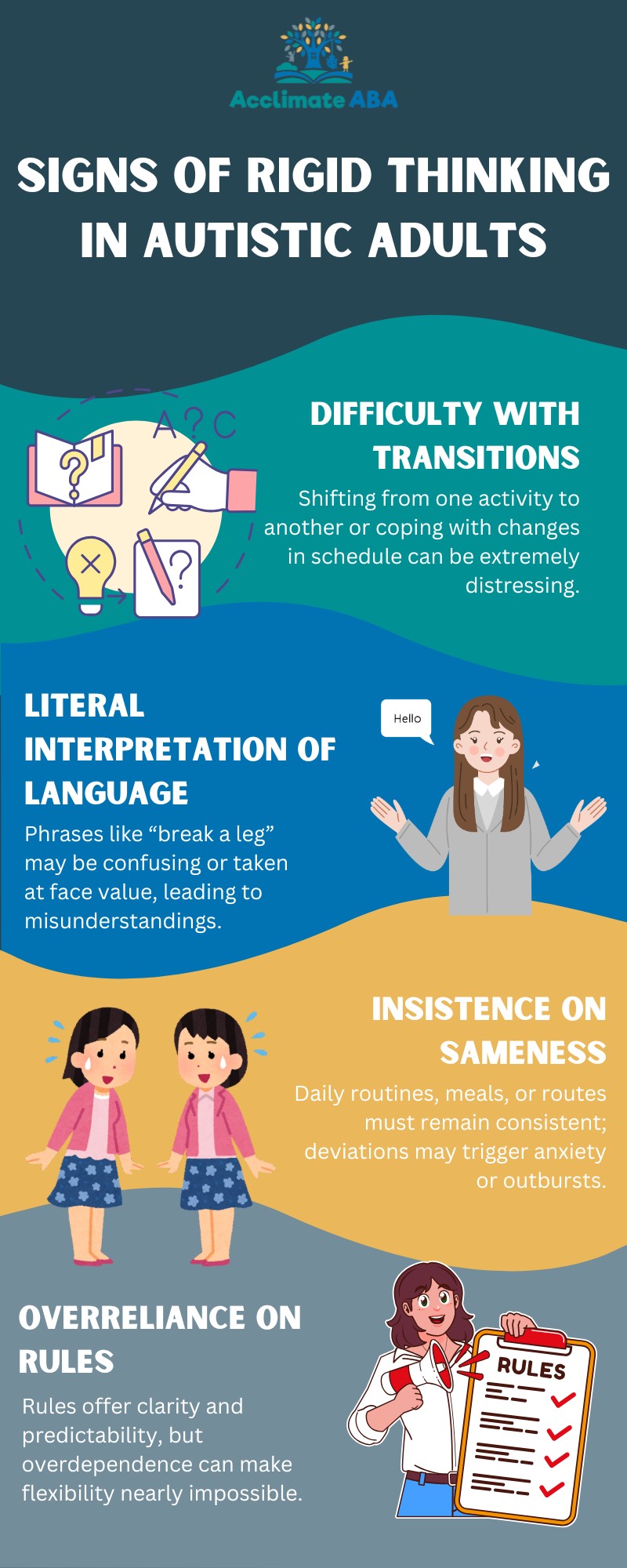
Autistic individuals often thrive in environments with clear structure and predictability. Horticultural therapy leverages this need for routine by incorporating sequential, step-by-step activities that are both engaging and reassuring. The cyclical nature of gardening—planting, watering, pruning, harvesting—mirrors the structured progression of a therapeutic session. This predictability can be particularly beneficial for those who experience anxiety in unstructured settings.
Consider the example of a child with autism who struggles with transitions. In a horticultural therapy session, the child might begin by selecting seeds, then move to planting them in soil, followed by watering and labeling the pots. Each step is a clear, finite task with a visible outcome, which can ease the distress of shifting from one activity to another. Over time, this structured freedom can help individuals with autism develop executive function skills, such as planning and task initiation, which are often areas of difficulty.
Beyond the Garden: Long-Term Benefits and Real-World Applications
The impact of horticultural therapy extends far beyond the confines of a garden. For autistic individuals, the skills and coping mechanisms developed through these activities can translate into improved functioning in daily life. For instance, the patience and persistence cultivated through nurturing a plant can translate into perseverance in academic or professional settings. The ability to focus on a single task without distraction—a skill honed in the garden—can enhance productivity and reduce impulsivity.
Horticultural therapy can also serve as a bridge to community integration. Many autistic individuals face barriers to participating in mainstream activities due to sensory sensitivities or social anxiety. Gardening clubs, therapeutic farms, and community gardens provide inclusive spaces where individuals can engage at their own pace. These environments often foster a sense of belonging, reducing feelings of isolation and promoting mental well-being.

Moreover, horticultural therapy can be tailored to address specific challenges associated with autism. For those with fine motor skill difficulties, activities like seed sorting or gentle pruning can improve dexterity. For individuals with food aversions, growing edible plants can encourage sensory exploration and expand dietary preferences. The versatility of horticultural therapy makes it a powerful tool for addressing the diverse needs of the autistic community.
Practical Steps: How to Incorporate Horticultural Therapy at Home
For families or caregivers looking to integrate horticultural therapy into their autistic loved one’s routine, the process can begin with small, manageable steps. Start by selecting plants that are low-maintenance and sensory-friendly, such as succulents, herbs, or flowering plants with minimal fragrance. A windowsill herb garden, for instance, requires minimal space and can be a rewarding project for beginners.
Incorporate sensory-rich elements into the activity, such as textured pots, smooth stones, or fragrant herbs like lavender or mint. Encourage exploration by asking open-ended questions, such as “What do you notice about this plant?” or “How does the soil feel?” Avoid overwhelming the individual with too many choices; instead, provide guided options to reduce decision fatigue.
For those who thrive on structure, create a visual schedule outlining the steps of the activity. This can be as simple as a series of pictures or icons depicting the process of planting a seed. Over time, the individual may become more comfortable with the routine, allowing for greater independence in the activity.
It’s also important to celebrate small victories. Whether it’s the first sprout emerging from the soil or a newfound willingness to touch a plant, acknowledging these milestones can reinforce positive associations with the activity. Remember, the goal is not perfection, but engagement and enjoyment.
Challenges and Considerations: Navigating the Path to Healing
While horticultural therapy holds immense promise, it is not a one-size-fits-all solution. Some autistic individuals may initially resist engaging with plants due to sensory aversions, such as discomfort with certain textures or smells. In these cases, it’s essential to start with minimal exposure and gradually increase familiarity. Pairing horticultural activities with preferred sensory inputs—such as listening to calming music or using weighted tools—can also help ease the transition.
Another consideration is the individual’s level of interest. Not all autistic individuals will be drawn to gardening, and that’s okay. The key is to find activities that resonate with their unique preferences and strengths. For some, it might be arranging flowers; for others, it could be observing insects or birds in the garden. The goal is to create a connection with nature that feels meaningful and enjoyable.
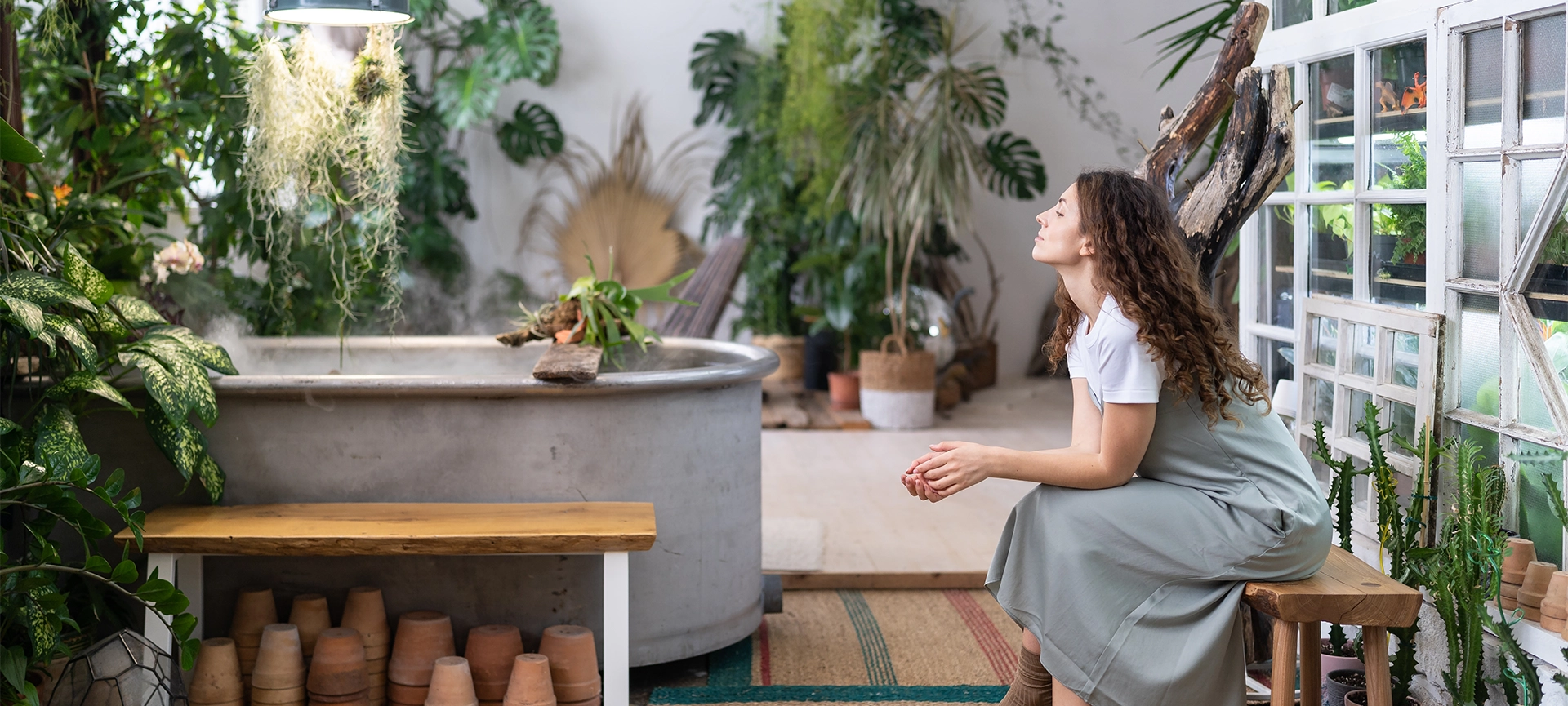
Additionally, access to outdoor spaces or therapeutic gardens may be limited for some individuals. In such cases, indoor gardening—using hydroponics, terrariums, or even a single potted plant—can provide similar benefits. The focus should always be on creating a safe and supportive environment where the individual feels empowered to explore at their own pace.
Finally, it’s crucial to involve professionals when necessary. Occupational therapists, behavioral specialists, or horticultural therapists can provide tailored guidance and ensure that the activities are aligned with the individual’s therapeutic goals. Collaboration between caregivers, therapists, and the individual themselves can maximize the benefits of horticultural therapy.
The garden is more than a collection of plants; it is a living, breathing ecosystem of growth, resilience, and quiet transformation. For autistic individuals, horticultural therapy offers a path to healing that is as gentle as it is profound. It speaks in the language of touch, sight, and time—unhurried, deliberate, and deeply human. Through the act of nurturing life, autistic individuals can find solace in the predictable rhythms of nature, strength in the act of creation, and connection in the shared experience of growth. In the soil, they may discover not just plants, but a renewed sense of self—one rooted in the earth, yet reaching for the sky.