Receiving an autism diagnosis for yourself or a loved one often marks the beginning of an intricate and deeply personal journey. The path ahead may feel daunting, yet with informed steps and compassionate guidance, it becomes navigable. Understanding what to do after an autism diagnosis is paramount to fostering growth, seeking support, and laying a foundation for a fulfilling life. This article explores the essential next steps, practical considerations, and emotional nuances that define this crucial phase.
Embracing the Diagnosis: Understanding and Acceptance
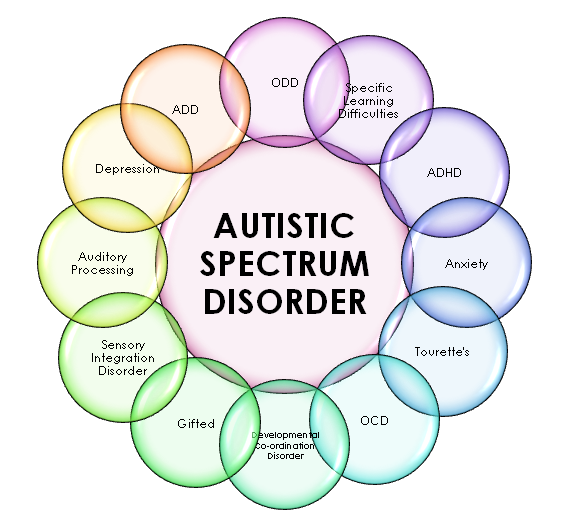
The immediate aftermath of an autism diagnosis can evoke a spectrum of emotions—relief, confusion, grief, or hope. It is vital to allow space for these feelings without judgment. Acceptance is not synonymous with resignation; rather, it is the cornerstone upon which proactive steps are built. Spend time delving into what autism means specifically for the individual. Autism spectrum disorder (ASD) encompasses a wide range of characteristics and manifestations. Engaging with reputable information sources, attending informational sessions, and joining support networks can cultivate a nuanced comprehension that diminishes overwhelming uncertainty.

Building a Multidisciplinary Support Team
Post-diagnosis, assembling a knowledgeable and multidisciplinary support team is imperative. This team often includes healthcare professionals such as developmental pediatricians, psychologists, speech and language therapists, occupational therapists, and ABA (Applied Behavior Analysis) therapists. Each discipline contributes a vital layer of skill and expertise, addressing the varied developmental, communicative, and behavioral needs associated with autism.
Finding professionals who employ evidence-based approaches tailored to the unique profile of the individual ensures more meaningful progress. Scheduling comprehensive assessments can identify specific strengths and challenges, allowing for a customized intervention plan. Remember, collaboration and clear communication between specialists, caregivers, and educators are pivotal to maximize outcomes.
Engaging in Early Intervention and Therapeutic Services
The significance of early intervention cannot be overstated. Timely and targeted therapeutic services lay the groundwork for optimizing developmental trajectory and adaptive skills. Depending on the individual’s needs, therapies may include speech and language therapy to enhance communication abilities, occupational therapy to improve sensory processing and motor skills, and behavioral therapies such as ABA, which focus on reinforcing positive behaviors and reducing challenges.
Early intervention programs also often provide family training, equipping caregivers with strategies to support developmental milestones and manage behavioral concerns within daily routines. The intensity and type of therapies should be regularly reviewed and adjusted based on progress and emerging needs.
Advocating for Educational Accommodations and Support
Securing appropriate educational resources is a fundamental step toward fostering academic success and social inclusion. The Individualized Education Program (IEP) or 504 Plan, depending on jurisdiction, is a legal framework that delineates specific accommodations, modifications, and support services tailored to the child’s educational requirements.
Engaging actively with educators, school psychologists, and special education coordinators is essential to ensure these plans reflect the child’s evolving needs. Educational advocacy may also involve navigating placement options, such as mainstream classrooms with support, specialized programs, or inclusive learning environments. Knowledge of rights and resources empowers families to obtain equitable educational opportunities.
Accessing Community Resources and Support Networks
Beyond clinical and educational settings, tapping into community resources is critical for holistic well-being. Local and national autism organizations often offer workshops, support groups, respite care, and recreational programs that foster social engagement and reduce caregiver isolation. Participation in these groups can connect families with others experiencing similar challenges and triumphs, cultivating empathy and shared wisdom.
Online forums and virtual communities also provide platforms for exchange of information, emotional support, and service referrals. Identifying programs that emphasize social skills development, vocational training, or transition planning is especially beneficial as the individual matures.

Prioritizing Mental Health and Emotional Well-being
Autism does not exist in isolation from emotional and mental health considerations. Anxiety, depression, and other co-occurring conditions are not uncommon and merit vigilant attention. Professionals specializing in mental health can provide therapeutic interventions, including cognitive-behavioral therapy adapted for autistic individuals, mindfulness techniques, and, when appropriate, pharmacological support.
Caregivers and family members should also seek support to mitigate stress and nurture resilience. Embracing self-care practices and ensuring open, honest communication within families sustains a supportive environment conducive to growth and stability.
Planning for Life Transitions and Independence
As individuals diagnosed with autism approach adolescence and adulthood, planning for transitions becomes paramount. This involves focusing on vocational skills, higher education accommodations, independent living skills, and social relationships. Transition planning requires collaboration among professionals, families, and the individual to set realistic and empowering goals.
Vocational rehabilitation programs, supported employment opportunities, and adult service agencies play crucial roles in facilitating integration into the community and workforce. Encouraging autonomy fosters confidence and enhances quality of life.
Continuing Education and Staying Informed
Autism research and intervention strategies continue to evolve. Staying abreast of new developments, innovative therapies, and legislative changes enables families and individuals to make informed decisions. Subscribing to newsletters, attending conferences, and engaging with advocacy organizations keeps knowledge current and advocacy effective.
Ultimately, the journey following an autism diagnosis is multifaceted, demanding patience, flexibility, and proactive engagement. Each step, though sometimes challenging, lays a vital brick in constructing a supportive and enriched life experience for the individual and their loved ones.