Autism and grassroots movements have long been intertwined, forming a dynamic tapestry of local advocacy and global solidarity. The rise of community-led initiatives has not only amplified the voices of autistic individuals but also reshaped societal perceptions of neurodiversity. What begins as a ripple in a small town often swells into a wave that crosses borders, challenging outdated norms and fostering inclusivity. This phenomenon is not merely a trend but a testament to the power of collective action in redefining how we understand and support neurodivergent lives.
At its core, the fascination with autism and grassroots movements lies in their ability to bridge the personal and the political. For decades, autism was shrouded in stigma, its complexities reduced to stereotypes. Yet, as families and self-advocates began organizing at the grassroots level, a profound shift occurred. These movements didn’t just demand change—they reimagined it. From parent-led support groups to autistic-led collectives, the landscape of advocacy has evolved into a mosaic of voices, each contributing a unique perspective to the conversation.
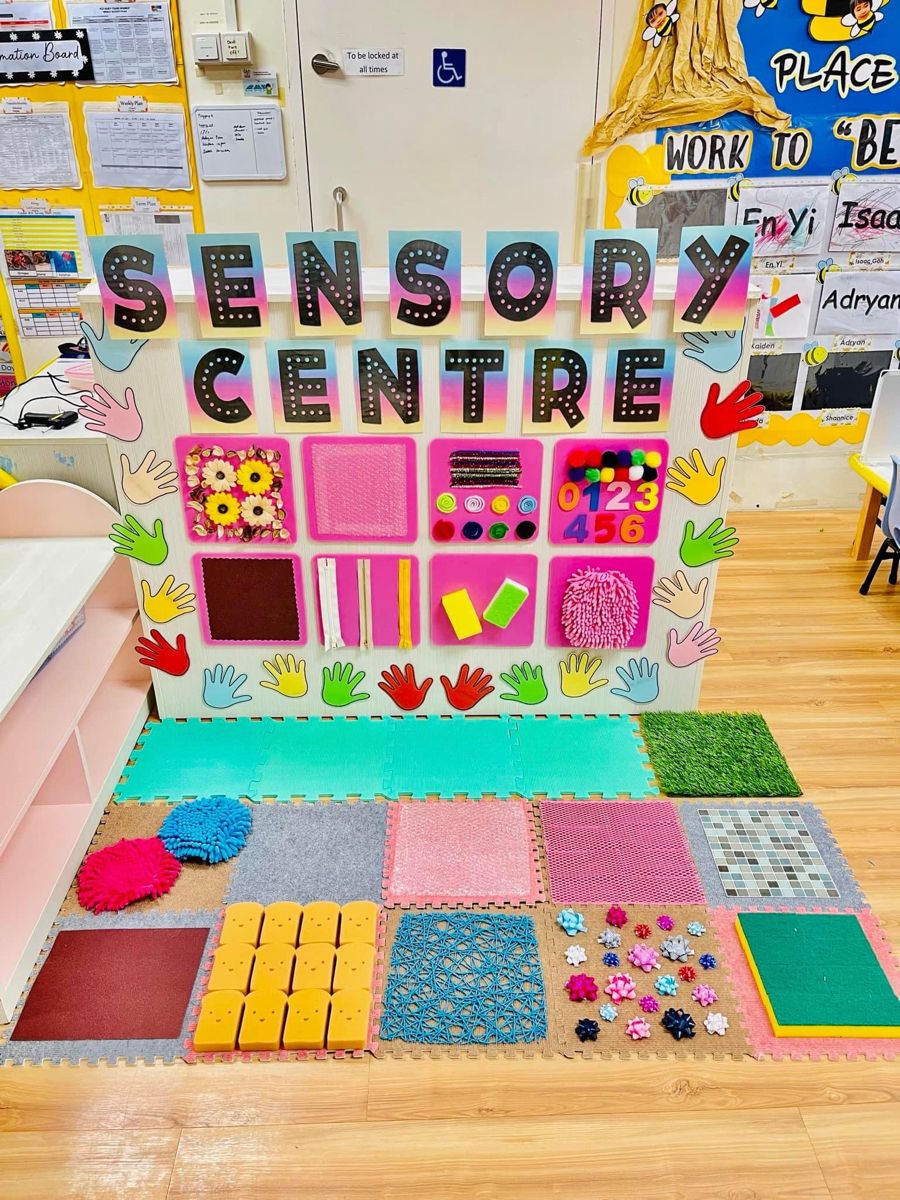
The interplay between local and global initiatives is particularly striking. A parent in a rural community might start a sensory-friendly playgroup, unaware that their efforts would inspire similar groups worldwide. Meanwhile, global campaigns like Autism Acceptance Month have roots in grassroots efforts that began in individual homes and schools. This organic growth underscores a fundamental truth: change, when driven by those most affected, is both authentic and enduring.
The Genesis of Grassroots Autism Advocacy
Grassroots autism advocacy emerged from necessity. In the absence of systemic support, families and autistic individuals took matters into their own hands, creating networks of mutual aid and empowerment. The 1990s and early 2000s saw the formation of parent-led organizations, often in response to the lack of resources in schools and healthcare systems. These early collectives were raw, unpolished, and deeply personal—fueled by the frustration of watching loved ones navigate a world ill-equipped to accommodate their needs.
One of the most transformative aspects of these movements was their insistence on centering autistic voices. While early advocacy often focused on “curing” autism, a paradigm shift occurred as autistic adults began speaking out. Their narratives dismantled myths, replacing pity with pride and demanding that society adapt rather than expecting autistic individuals to conform. This evolution mirrors broader shifts in disability rights, where the mantra “nothing about us without us” became a rallying cry.
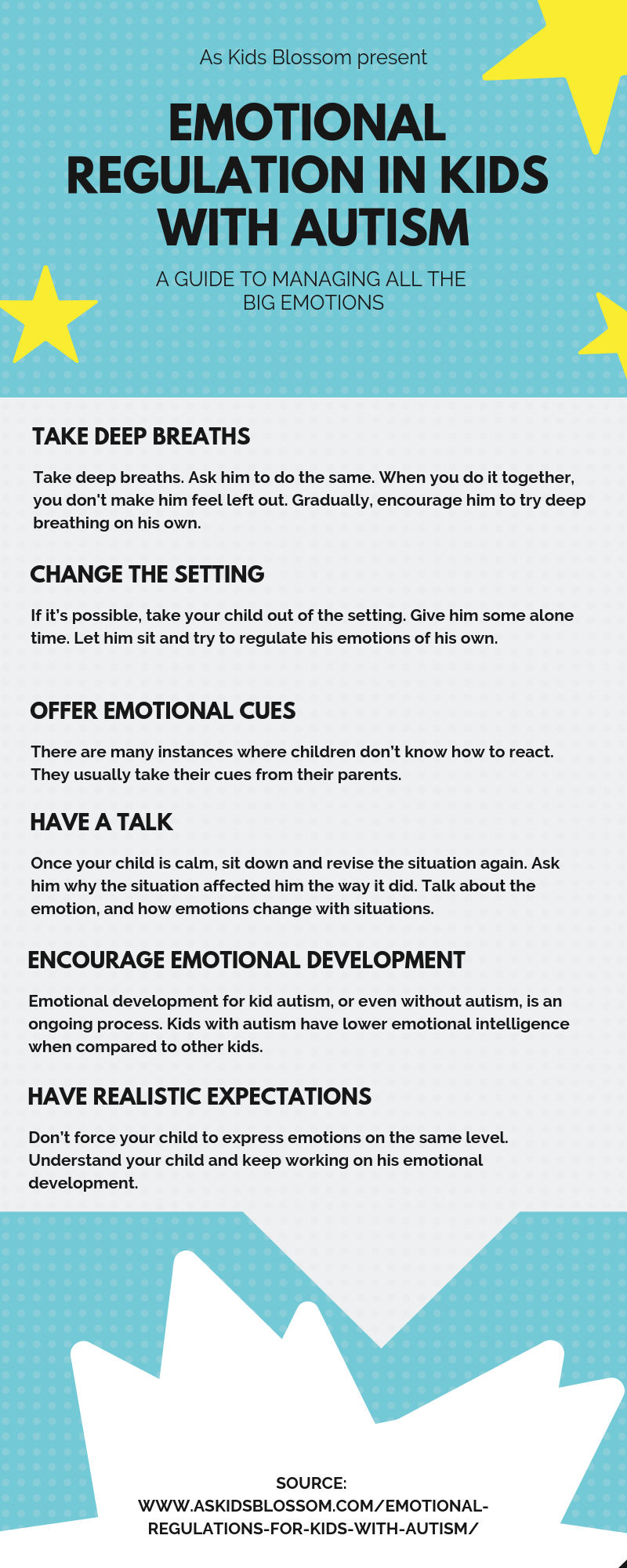
The tools of grassroots advocacy have also evolved. Social media, once a novelty, became a lifeline for isolated communities. Online forums and Facebook groups allowed parents to share strategies, while autistic adults could connect across continents. Hashtags like #ActuallyAutistic and #Neurodiversity transformed digital spaces into forums for activism, challenging mainstream narratives in real time. This democratization of advocacy ensured that marginalized voices—those of non-speaking autistic individuals, autistic people of color, and those from low-income backgrounds—could no longer be sidelined.
The Ripple Effect: How Local Initiatives Scale Globally
The journey from local to global is rarely linear, yet it is undeniably powerful. Consider the story of a small-town teacher who adapted her classroom to accommodate her autistic students. What began as a personal experiment—using visual schedules and noise-canceling headphones—soon caught the attention of educators in neighboring districts. Within a year, her methods were adopted in three states. By the next, they were featured in an international education conference. This is the essence of grassroots scaling: ideas that start in obscurity can, through persistence and adaptability, become blueprints for systemic change.
Global initiatives often owe their existence to these humble beginnings. The United Nations’ Convention on the Rights of Persons with Disabilities, for instance, was influenced by decades of grassroots lobbying by disability rights activists. Similarly, the global push for inclusive education can trace its roots to parent-led campaigns in countries where autistic children were routinely excluded from schools. These movements demonstrate that while policy changes may feel distant, they are often the culmination of years of tireless local advocacy.
Yet, scaling is not without its challenges. What works in one community may falter in another due to cultural, economic, or infrastructural differences. Grassroots leaders must navigate these complexities, often acting as translators between global ideals and local realities. The key lies in flexibility—adapting strategies without diluting their core message. For example, a sensory-friendly museum initiative in a wealthy city might inspire a similar program in a rural area, but the latter may need to rely on volunteer-run workshops and donated materials. The goal remains the same: accessibility. The methods simply reflect the context.

Challenges and Criticisms: The Double-Edged Sword of Grassroots Movements
While grassroots movements have undeniably advanced autism advocacy, they are not without their pitfalls. One persistent challenge is the risk of fragmentation. Without centralized coordination, efforts can become siloed, with overlapping goals but disjointed execution. For instance, multiple organizations might advocate for employment opportunities for autistic adults, yet their approaches could differ so drastically that their combined impact is diluted. This fragmentation is often a byproduct of the very passion that fuels grassroots work—when every voice clamors to be heard, unity can be elusive.
Another criticism lies in the potential for grassroots movements to inadvertently reinforce systemic inequities. Wealthier communities, with greater access to resources, may launch more visible initiatives, while marginalized groups struggle to gain traction. This disparity can create a cycle where the loudest voices dominate the narrative, sidelining those who need support the most. For example, autism research funded by grassroots efforts often prioritizes areas with high fundraising potential, leaving understudied populations—such as autistic adults over 50 or those with significant support needs—without resources.
Moreover, the emotional toll of grassroots advocacy cannot be overstated. Burnout is rampant among activists, who often juggle advocacy with personal caregiving or professional demands. The relentless nature of this work—fighting for recognition in a world that resists change—can lead to compassion fatigue. Organizations must prioritize sustainability, ensuring that their leaders are supported rather than exploited. This might mean establishing clear boundaries, providing mental health resources, or rotating leadership roles to prevent burnout.
Innovative Strategies: Beyond Awareness to Action
Grassroots movements have evolved beyond mere awareness campaigns, embracing innovative strategies that drive tangible change. One such approach is participatory research, where autistic individuals are not just subjects but collaborators in studies that affect their lives. Projects like the Autistic Researchers Collective exemplify this shift, ensuring that research questions are rooted in lived experience rather than academic curiosity alone. This methodology not only produces more relevant findings but also empowers autistic researchers to shape the future of autism science.
Another groundbreaking strategy is the use of “nothing-about-us-without-us” policies in local governments. Cities like Portland, Oregon, have adopted ordinances that mandate the inclusion of autistic individuals and their families in policy decisions related to housing, education, and healthcare. These policies are not merely symbolic; they create pathways for direct input, ensuring that solutions are co-designed rather than imposed. The success of such initiatives hinges on the willingness of institutions to cede control—a radical departure from traditional top-down approaches.
Technology has also become a force multiplier for grassroots innovation. Apps like Autism Connects use geolocation to help autistic individuals and their families find sensory-friendly spaces in real time. Meanwhile, virtual reality (VR) is being explored as a tool for social skills training, allowing users to practice interactions in a controlled, customizable environment. These tools democratize access to resources, bridging gaps that once seemed insurmountable. Yet, they also raise ethical questions: Who controls the data? How do we ensure these technologies are accessible to all, regardless of socioeconomic status?
The Future: Toward a Neurodiverse World
The trajectory of autism and grassroots movements suggests a future where neurodiversity is not just accepted but celebrated. This future hinges on three critical shifts: systemic integration, intergenerational collaboration, and global solidarity. Systemic integration means embedding neurodiversity into the fabric of institutions—schools, workplaces, and governments—so that accommodations are not afterthoughts but standard practices. Intergenerational collaboration ensures that the wisdom of older autistic adults informs the strategies of younger generations, preventing the reinvention of wheels and fostering continuity. Global solidarity, meanwhile, recognizes that autism does not exist in a vacuum; it is shaped by culture, policy, and economics, and thus requires a unified, intersectional approach.
Yet, the path forward is not without obstacles. The rise of neurodiversity as a buzzword risks diluting its radical potential. Corporations may tout “inclusive” hiring practices while failing to address the underlying biases in their cultures. Governments might adopt policies on paper but lack the funding or political will to implement them. To counter these trends, grassroots movements must remain vigilant, holding institutions accountable while continuing to innovate. The goal is not just visibility but equity—a world where autistic individuals are not just seen but heard, not just accommodated but empowered.
In the end, the story of autism and grassroots movements is a story of resilience. It is a testament to the power of collective action to challenge the status quo and redefine what is possible. From the quiet persistence of a parent advocating for their child to the global campaigns that reshape policies, these movements remind us that change is not a spectator sport. It is a collaborative endeavor, one that demands courage, creativity, and an unwavering belief in the right to belong.
The fascination with this phenomenon lies not in its novelty but in its universality. Every community, regardless of size or resources, has the potential to spark a movement that echoes across the globe. The question is not whether we can create a neurodiverse world, but how quickly we are willing to dismantle the barriers that stand in its way. The tools are here. The voices are rising. The time for action is now.