
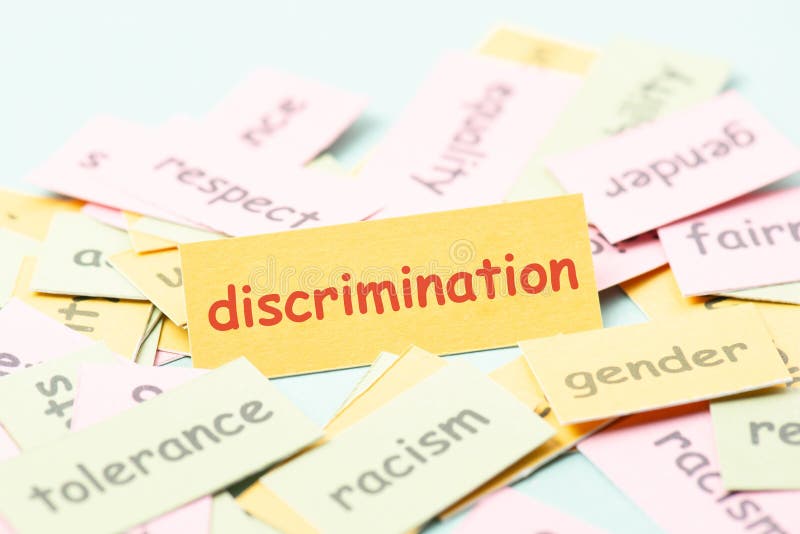
The concept of human rights has long been a cornerstone of societal progress, yet for many marginalized groups, these rights remain more aspirational than realized. Among them, autistic individuals have historically faced systemic barriers that deny them the dignity, opportunities, and respect they inherently deserve. The intersection of autism and human rights is not merely a legal or ethical debate—it is a moral imperative that challenges us to redefine inclusion, dismantle prejudice, and embrace neurodiversity as a fundamental human value. This shift demands more than passive acceptance; it requires active advocacy, structural reform, and a collective reimagining of what it means to belong in a world that often prioritizes conformity over authenticity.
Autism, a neurodevelopmental condition characterized by a spectrum of strengths and challenges, affects millions worldwide. Yet, despite its prevalence, autistic individuals frequently encounter discrimination in education, employment, healthcare, and social spaces. The struggle for their rights is not just about securing accommodations—it is about dismantling the very foundations of ableism that have long dictated their place in society. From the misconceptions that paint autism as a deficit to be “fixed” to the systemic exclusion that relegates autistic voices to the periphery, the fight for equality is both urgent and transformative. This article explores the multifaceted dimensions of autism and human rights, illuminating the path toward a future where inclusion is not an afterthought but a lived reality.
The Historical Context: From Marginalization to Advocacy
For much of the 20th century, autism was shrouded in misunderstanding, often conflated with mental illness or dismissed as a behavioral disorder requiring institutionalization. The early diagnostic criteria, shaped by a medical model that pathologized difference, framed autism as a tragedy rather than a variation of human experience. It wasn’t until the late 1960s and 1970s that autistic self-advocates and pioneering researchers like Bernard Rimland began challenging these narratives, laying the groundwork for a rights-based approach to autism. The deinstitutionalization movement of the 1970s and 1980s, coupled with the rise of the disability rights movement, began to shift public perception—though progress remained painfully slow.
The United Nations Convention on the Rights of Persons with Disabilities (UNCRPD), adopted in 2006, marked a watershed moment. For the first time, disability rights were framed not as charity but as a matter of human rights, with explicit protections for autistic individuals. Yet, the translation of these legal frameworks into tangible change has been uneven. Many countries still lack robust enforcement mechanisms, and cultural attitudes often lag behind policy. The historical arc of autism advocacy is one of resilience—a testament to the power of collective action in the face of entrenched prejudice.
The Right to Self-Determination: Autonomy in a Neurotypical World
At the heart of the human rights struggle for autistic individuals lies the principle of self-determination—the right to make choices about one’s own life, free from coercion or paternalism. Too often, autistic people are subjected to decisions made *for* them rather than *with* them, whether in medical settings, educational placements, or workplace environments. The paternalistic assumption that autistic individuals lack capacity to advocate for themselves has perpetuated cycles of exclusion, denying them agency in matters as fundamental as healthcare, relationships, and personal goals.
This denial of autonomy is starkly evident in the realm of consent. Autistic individuals, particularly those with intellectual disabilities, frequently face barriers to informed consent in medical procedures, legal agreements, and even everyday interactions. The lack of accessible communication tools—such as augmentative and alternative communication (AAC) devices—further exacerbates this issue, leaving many without a voice in decisions that directly impact their lives. True inclusion begins with recognizing autistic individuals as the primary authorities on their own experiences, ensuring that their preferences, boundaries, and aspirations are not just heard but honored.
Education: The Double-Edged Sword of Inclusion
Education is both a gateway to opportunity and a battleground for autistic rights. While inclusive schooling has become a global ideal, the reality is often far from equitable. Mainstream classrooms, designed for neurotypical learners, frequently fail to accommodate the sensory, social, and cognitive needs of autistic students. The result? A system that either overburdens them with unrealistic expectations or segregates them into “special” programs that isolate rather than integrate. The push for inclusive education must move beyond mere physical presence in classrooms to encompass tailored support, sensory-friendly environments, and curricula that celebrate neurodiversity.
Teachers, too, play a pivotal role in this transformation. Professional development in neurodiversity-affirming practices is not a luxury but a necessity. Yet, many educators remain ill-equipped to address the diverse needs of autistic students, leading to a cycle of frustration, burnout, and disengagement. The solution lies in co-creating educational strategies with autistic individuals, their families, and neurodiversity advocates. Only by centering the voices of those directly affected can we design systems that foster not just academic achievement but genuine belonging.
Employment: Breaking the Cycle of Underemployment
The unemployment rate among autistic adults hovers around 80% in many countries, a statistic that speaks volumes about the systemic barriers they face. Employers often harbor misconceptions about autistic workers—assuming they lack social skills, struggle with teamwork, or are incapable of meeting productivity standards. In reality, autistic individuals bring unique strengths to the workplace: hyperfocus, pattern recognition, attention to detail, and innovative problem-solving. Yet, these strengths are frequently overlooked in favor of rigid, neurotypical-centric hiring practices.
The solution lies in reimagining workplace culture. Flexible work arrangements, clear communication protocols, and sensory-friendly environments can unlock the potential of autistic employees. Companies like SAP, Microsoft, and Ernst & Young have pioneered neurodiversity hiring programs, demonstrating that inclusive workplaces are not just ethical but economically advantageous. The key is to move beyond tokenistic hiring initiatives to foster environments where autistic employees can thrive without having to mask their identities or suppress their needs.
Healthcare: The Crisis of Misdiagnosis and Mistreatment
Autistic individuals often encounter a healthcare system ill-prepared to meet their needs. From misdiagnosed mental health conditions to inaccessible medical facilities, the barriers to quality care are manifold. Women and girls, in particular, are frequently misdiagnosed with conditions like borderline personality disorder or bipolar disorder due to the underrecognition of autism in females. The result is a healthcare system that pathologizes difference rather than addressing the root causes of distress.
Moreover, autistic individuals with co-occurring conditions—such as epilepsy, gastrointestinal disorders, or chronic pain—often struggle to find practitioners who understand the interplay between these issues and autism. Sensory sensitivities, communication differences, and a lack of trauma-informed care further compound these challenges. The path forward requires systemic change: training healthcare providers in neurodiversity-affirming practices, ensuring accessible medical environments, and prioritizing research that centers autistic experiences. Only then can we move toward a healthcare system that treats autistic individuals with the dignity and respect they deserve.
The Power of Community: Building Neurodiverse Solidarity
Human rights are not achieved in isolation; they are forged in the crucible of community. Autistic-led organizations, advocacy groups, and online spaces have become vital hubs for empowerment, offering a counter-narrative to the deficit-based portrayals of autism. These communities provide not just support but a platform for autistic voices to shape policy, challenge stereotypes, and demand systemic change. From the #ActuallyAutistic movement to grassroots campaigns for inclusive housing, these initiatives are redefining what it means to fight for rights.
Yet, allyship is equally crucial. Neurotypical allies must move beyond performative advocacy to actively amplify autistic voices, challenge ableist language, and advocate for policy changes. This means listening without centering oneself, educating others, and using privilege to dismantle systemic barriers. True solidarity is not about pity or inspiration—it is about recognizing autistic individuals as equals deserving of the same rights, opportunities, and respect as anyone else.
The Future: Toward a Neurodiverse Society
The fight for autism and human rights is not a distant dream but an unfolding reality. It requires a fundamental shift in how society perceives difference—from a problem to be solved to a natural variation to be celebrated. This shift demands action on multiple fronts: legislative reform, cultural education, economic inclusion, and the dismantling of ableist structures. It also requires a personal reckoning with the biases we all carry, whether conscious or unconscious.
The promise of a neurodiverse society is not just about fairness; it is about unlocking the full potential of humanity. Autistic individuals, with their unique perspectives and talents, have the power to drive innovation, enrich communities, and challenge the status quo. The question is not whether we can afford to embrace neurodiversity—it is whether we can afford not to. The future of human rights is not just about expanding protections; it is about redefining what it means to be human in all our glorious, diverse complexity.
As we stand on the precipice of this transformation, the choice is clear: Will we cling to outdated norms that limit potential, or will we build a world where every individual, regardless of neurology, can thrive? The answer lies not in grand declarations but in the daily choices we make—to listen, to adapt, and to act. The fight for autism and human rights is not someone else’s burden; it is ours to bear, together.

The image above captures the essence of collective action—a reminder that the fight for autism and human rights is not a solitary endeavor but a shared journey toward a more just and inclusive world.












