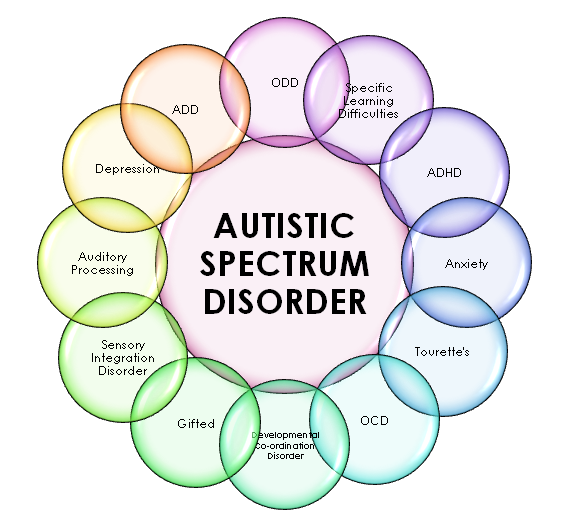
In the intricate tapestry of human identity, few threads are as vividly complex as those woven by autism and multiculturalism. When these two strands intertwine within a family, they create a dynamic mosaic—one that demands not just acceptance, but a profound understanding of duality. Autism, with its spectrum of challenges and strengths, meets the vibrant, often conflicting norms of multicultural upbringing. The result is a journey that is as enriching as it is perplexing, where every milestone is both a personal triumph and a cultural negotiation.
For families navigating this dual landscape, the experience is akin to being a living bridge. One end is firmly planted in the familiar soil of cultural heritage, while the other stretches toward the ever-evolving terrain of neurodiversity. The tension between these two worlds is not a flaw but a feature—a testament to the resilience of those who walk this path. It is a journey that requires not just love, but a kind of alchemical wisdom: the ability to transmute difference into strength, and misunderstanding into connection.
The Kaleidoscope of Identity: Where Autism Meets Cultural Heritage
Imagine identity as a kaleidoscope, where each twist of the tube reveals a new pattern. For a child with autism in a multicultural family, the tube is constantly turning. Cultural norms—whether they stem from collectivist traditions that prioritize harmony or individualist values that celebrate self-expression—clash and coalesce in unpredictable ways. Autism, with its unique sensory sensitivities and social nuances, adds another layer of complexity. A child might thrive in the structured rituals of their heritage but struggle with the unspoken rules of a neurotypical classroom.
Consider the child who, at a family gathering, is expected to greet elders with a kiss on the cheek—a gesture that feels like an invasion of personal space. Or the teenager who, in a culture that values verbal eloquence, finds themselves at a loss for words in social settings, their autism making communication feel like navigating a minefield. These moments are not just personal; they are cultural collisions, where the child’s sense of self is both shaped and strained by competing expectations.
The beauty of this kaleidoscope, however, lies in its ability to create unexpected patterns. A child who struggles with eye contact in one context might find solace in the rhythmic, repetitive movements of a cultural dance. A family that embraces both neurodiversity and multiculturalism might discover that their differences are not obstacles but bridges—connecting them to a broader, more inclusive understanding of what it means to belong.
The Language of Difference: Communication Across Divides
Language is the currency of culture, and for multicultural families navigating autism, it becomes a double-edged sword. Verbal language, with its idioms, accents, and unspoken rules, can be a minefield for someone with autism. Add to that the challenge of bilingualism or multilingualism—a common reality in multicultural families—and the complexity deepens. A child might speak one language at home and another at school, their autism making it difficult to switch between linguistic and cultural contexts seamlessly.
But language is not just about words. It is also about tone, body language, and the unspoken cues that guide social interaction. For a child with autism, these cues can feel like a foreign language. In a multicultural setting, where these cues vary widely, the challenge is magnified. A raised eyebrow might mean disapproval in one culture and playful teasing in another. A direct question could be seen as rude in a collectivist society but as honest in an individualist one. Navigating these differences requires a kind of linguistic agility—a willingness to learn, adapt, and sometimes, to stumble.
Yet, within this struggle lies an opportunity. The child who learns to communicate across these divides becomes a kind of cultural ambassador, bridging gaps that others might not even see. They develop a sensitivity to nuance, an ability to read between the lines, and a resilience that comes from constantly negotiating their place in the world. In this sense, autism and multiculturalism are not just challenges to overcome; they are gifts that shape a child’s ability to connect with others in profound ways.
The Sensory Symphony: Harmony and Discord in a Multicultural World
For someone with autism, the world is a symphony of sensations—some harmonious, others discordant. Multicultural environments amplify this experience, as sensory inputs vary widely across cultures. The scent of spices in an Indian kitchen might be comforting to one family member but overwhelming to a child with autism. The loud, boisterous celebrations of a Latin American fiesta could feel like a sensory assault, while the quiet rituals of a Japanese tea ceremony might offer a rare moment of calm.
Sensory differences are not just about likes and dislikes; they are deeply tied to identity. A child who avoids hugs might be seen as cold in a culture that values physical affection. A teenager who covers their ears in a crowded market might be perceived as rude in a society where bustling streets are the norm. These sensory negotiations are not trivial; they shape how a child perceives themselves and how others perceive them.
Yet, within this sensory chaos lies the potential for harmony. Families that recognize and respect these differences can create environments where everyone thrives. A home might become a sanctuary of controlled sensory inputs—a place where the child can retreat to a quiet corner with soft lighting and familiar textures. Cultural traditions might be adapted to accommodate sensory needs, turning what was once a source of stress into a source of joy. In this way, the sensory symphony becomes not just a challenge to endure, but a melody to compose.
The Role of Support: Building Bridges in a Fragmented World
No family navigates the intersection of autism and multiculturalism alone. Support—whether from extended family, friends, educators, or professionals—is the scaffolding that holds up this complex structure. For multicultural families, this support must be as diverse as the challenges they face. It might come in the form of a therapist who understands both neurodiversity and cultural identity, or a community group that celebrates both heritage and difference.
Education is a critical component of this support. Schools and educators must be equipped to recognize the unique needs of multicultural, neurodiverse students. This means not just providing accommodations for autism, but also fostering an environment where cultural differences are celebrated rather than erased. It means teaching children to see their differences as strengths, and to navigate the world with confidence and pride.
Support also comes from within the family. Siblings, parents, and extended relatives must be willing to engage in open, honest conversations about difference. They must be prepared to challenge their own biases and to advocate for their loved ones in a world that often fails to understand. This is not an easy task. It requires patience, empathy, and a willingness to learn. But it is a task that can transform not just the life of the child with autism, but the entire family.
The Gift of Duality: Embracing the Paradox
To navigate autism and multiculturalism is to live in a state of constant paradox. It is to be both an insider and an outsider, to belong and yet to stand apart. It is to experience the world in a way that is uniquely your own, while also being shaped by the cultures and communities that surround you. This duality is not a flaw; it is a feature of a life lived fully and authentically.
The families who embrace this paradox find that their differences become their greatest strengths. They learn to see the world through multiple lenses, to find beauty in the spaces between cultures, and to celebrate the unique ways in which their loved ones experience the world. They become storytellers, weaving narratives that challenge stereotypes and inspire others to see difference as a source of richness rather than division.
In the end, the journey of navigating autism and multiculturalism is not about finding a resolution to the tensions between these two worlds. It is about learning to dance in the space between them. It is about finding joy in the unexpected patterns of the kaleidoscope, harmony in the sensory symphony, and strength in the act of bridging divides. It is a journey that is as challenging as it is rewarding, as confusing as it is clarifying. But it is a journey worth taking—for those who walk it, and for the world that they help to shape.
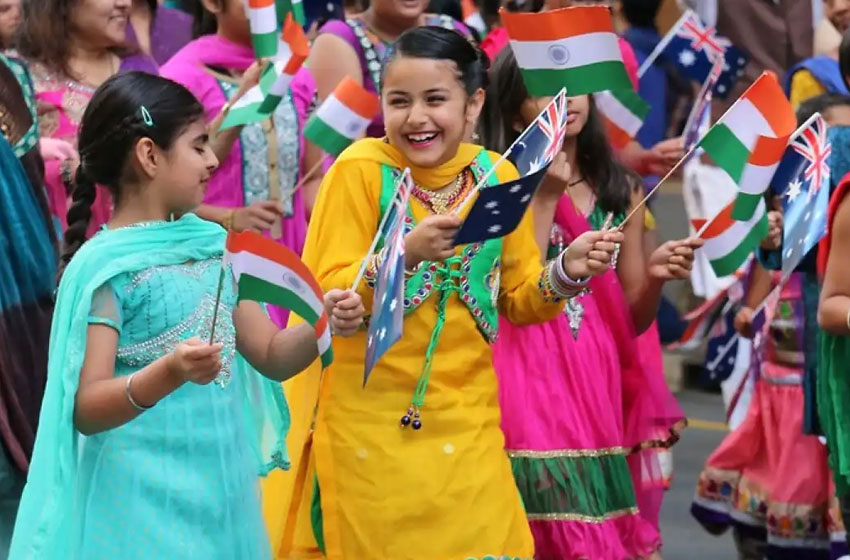
In a world that often demands conformity, the families who navigate autism and multiculturalism are the ones who remind us of the beauty of difference. They are the living proof that identity is not a single thread, but a vibrant, ever-changing tapestry. And in that tapestry, every color, every pattern, every imperfection is a testament to the richness of the human experience.