Autism spectrum disorder (ASD) remains one of the most enigmatic neurodevelopmental conditions, its complexity woven into the fabric of human cognition and behavior. While society has made strides in understanding its outward manifestations, the quest for early detection has led researchers to the frontier of biomarkers—biological indicators that could unlock the mysteries of autism long before its behavioral hallmarks emerge. Biomarkers are not merely diagnostic tools; they are the whispers of a deeper narrative, a silent language of cells and circuits that may reveal why some children diverge from the typical developmental trajectory. The fascination with these markers stems not just from their potential to transform early intervention but from the tantalizing possibility that they might expose the very essence of autism’s origins.
Imagine a world where a simple blood test or a brain scan could predict with precision whether a toddler will develop autism. Such a scenario is no longer confined to the realm of science fiction. Biomarkers—ranging from genetic mutations to altered protein levels and atypical neural connectivity—are emerging as the Rosetta Stone of early detection. They offer a glimpse into the prenatal and early postnatal processes that shape brain development, long before social deficits or repetitive behaviors become apparent. The implications are profound: early intervention could shift from a reactive measure to a proactive strategy, fundamentally altering the lives of countless families.
The Science Behind Biomarkers: A Multidimensional Approach
Biomarkers in autism are as diverse as the condition itself, spanning molecular, physiological, and neuroimaging domains. At the molecular level, researchers have identified genetic biomarkers—mutations in genes like SHANK3, CHD8, and PTEN—that are strongly associated with ASD. These genes play critical roles in synaptic function, chromatin remodeling, and neuronal signaling, suggesting that disruptions in these pathways may underlie the neurobiological underpinnings of autism. However, genetics alone cannot account for the heterogeneity of ASD, prompting scientists to explore epigenetic biomarkers—modifications to DNA that alter gene expression without changing the genetic sequence. For instance, hypermethylation of the OXTR gene, which encodes the oxytocin receptor, has been linked to social deficits in autism, hinting at a molecular mechanism for the social challenges observed in the condition.
Beyond the genome, the proteome offers another layer of insight. Altered levels of proteins such as neuregulin-1, brain-derived neurotrophic factor (BDNF), and reelin have been detected in the blood and cerebrospinal fluid of individuals with autism. These proteins are crucial for neuronal migration, synaptic plasticity, and brain connectivity, suggesting that their dysregulation may contribute to the atypical neural wiring observed in ASD. Moreover, immune biomarkers—such as elevated levels of pro-inflammatory cytokines like IL-6 and TNF-α—have been found in the blood of autistic individuals, fueling theories about the role of immune dysfunction in autism’s pathogenesis. The interplay between these molecular and immunological factors paints a picture of autism as a systemic condition, one that transcends the boundaries of the brain.
Neuroimaging biomarkers provide a window into the structural and functional architecture of the autistic brain. Diffusion tensor imaging (DTI) has revealed atypical white matter connectivity in regions such as the corpus callosum and the superior longitudinal fasciculus, which are critical for interhemispheric communication and language processing. Functional MRI (fMRI) studies have demonstrated altered connectivity in the default mode network, a brain network active during rest and self-referential thought, which may underlie the social and cognitive challenges in autism. Even before behavioral symptoms manifest, these neuroimaging biomarkers can detect subtle deviations in brain development, offering a potential tool for early identification.
The Prenatal and Early Postnatal Window: When Biomarkers First Emerge
The quest for biomarkers is not merely academic; it is a race against time. The prenatal period and the first few years of life represent a critical window during which the brain is exquisitely sensitive to disruptions. Biomarkers detected during this window could provide the earliest possible indication of autism, long before behavioral symptoms emerge. For instance, studies have shown that elevated levels of serotonin in the blood of newborns are associated with an increased risk of autism. Serotonin is a neurotransmitter that regulates mood, social behavior, and cognition, and its dysregulation has been implicated in the social deficits observed in ASD. Similarly, atypical levels of fetal testosterone during pregnancy have been linked to autistic traits in children, suggesting that hormonal imbalances in utero may predispose the developing brain to autism.
Postnatally, biomarkers such as head circumference and brain volume have been noted as potential early indicators. Infants later diagnosed with autism often exhibit accelerated head growth during the first year of life, a phenomenon that may reflect abnormal synaptic pruning or excessive neurogenesis. Advanced neuroimaging techniques, such as functional near-infrared spectroscopy (fNIRS), have also shown promise in detecting atypical neural responses to social stimuli in infants as young as six months. These biomarkers, though still in the research phase, highlight the possibility of identifying autism in its infancy, long before the first signs of developmental delay appear.
The challenge lies in distinguishing between transient biomarkers—those that may normalize over time—and persistent ones that reliably predict autism. For example, while elevated serotonin levels in infancy may be a red flag, not all children with high serotonin levels will develop autism. The key is to identify a constellation of biomarkers that, when combined, provide a robust predictive model. Machine learning algorithms are increasingly being employed to analyze large datasets of biomarkers, identifying patterns that may elude human observation. These algorithms could one day integrate genetic, proteomic, and neuroimaging data to generate personalized risk scores for autism, enabling early intervention tailored to each child’s unique profile.
Early Intervention: Bridging the Gap Between Detection and Action
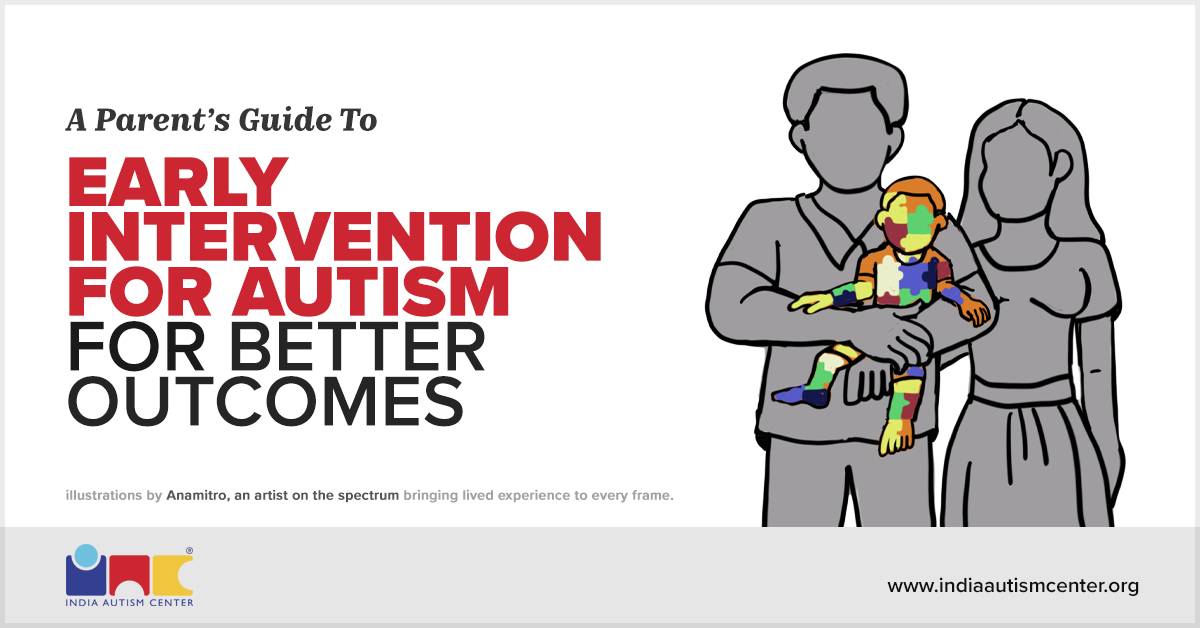
The ultimate goal of biomarker research is not merely detection but transformation. Early intervention programs, such as Applied Behavior Analysis (ABA) and Early Start Denver Model (ESDM), have demonstrated that intensive, individualized therapy can significantly improve outcomes for children with autism. However, these programs are most effective when initiated as early as possible—ideally before the age of two. Biomarkers could serve as the catalyst for this early intervention, enabling clinicians to identify at-risk children and enroll them in targeted therapy programs before behavioral symptoms become entrenched.
One promising avenue is the use of biomarkers to guide personalized intervention strategies. For instance, children with biomarkers indicative of immune dysfunction may benefit from anti-inflammatory therapies or dietary interventions that modulate the gut-brain axis. Similarly, children with biomarkers reflecting atypical synaptic pruning may respond better to interventions that focus on enhancing neural plasticity, such as cognitive training or neurofeedback. The integration of biomarkers into intervention planning could revolutionize autism treatment, shifting the paradigm from a one-size-fits-all approach to a precision medicine model.
Moreover, biomarkers could help demystify the heterogeneity of autism, revealing why some children respond to certain therapies while others do not. For example, children with biomarkers linked to SHANK3 mutations may have distinct cognitive and behavioral profiles compared to those with biomarkers associated with immune dysfunction. By tailoring interventions to these underlying mechanisms, clinicians could maximize the efficacy of early intervention programs, reducing the long-term burden of autism on individuals and their families.
The ethical implications of biomarker-based early detection cannot be overlooked. While the potential benefits are immense, there are concerns about stigmatization, overdiagnosis, and the psychological impact of labeling a child as “at risk” for autism. It is crucial that biomarker research is conducted with rigorous ethical standards, ensuring that families are fully informed about the implications of testing and that interventions are delivered with sensitivity and support. The goal is not to pathologize diversity but to empower families with the knowledge and tools to nurture their child’s potential.
The Future of Biomarker Research: Challenges and Opportunities
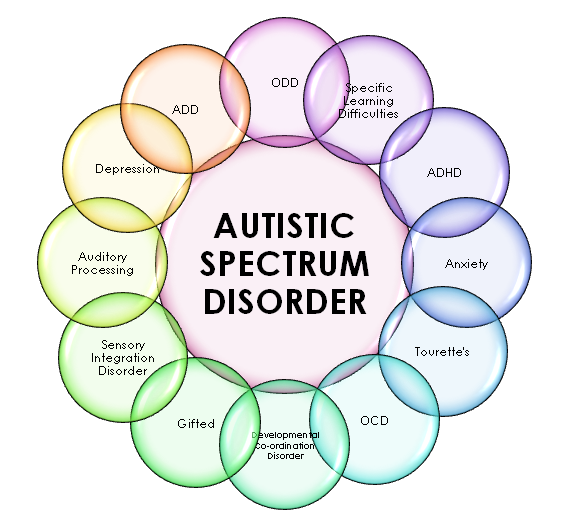
Despite the progress, biomarker research in autism faces significant challenges. One of the most formidable obstacles is the heterogeneity of the condition itself. Autism is not a monolithic disorder but a spectrum of conditions with diverse genetic, environmental, and neurobiological underpinnings. This heterogeneity makes it difficult to identify biomarkers that are universally applicable. Additionally, many biomarkers are not specific to autism; they may be present in other neurodevelopmental or psychiatric conditions, leading to potential false positives. For example, elevated levels of IL-6 have been observed in both autism and schizophrenia, complicating the diagnostic process.
Another challenge is the need for longitudinal studies that track biomarkers from infancy through childhood and beyond. Most current research is cross-sectional, providing only a snapshot of biomarker levels at a single point in time. Longitudinal studies are essential to determine whether biomarkers are stable over time and whether they can reliably predict the trajectory of autism. Furthermore, the integration of biomarkers into clinical practice will require robust validation studies and the development of standardized testing protocols. Biomarker-based tests must be accurate, reliable, and accessible to ensure equitable access to early intervention.
Despite these challenges, the opportunities are boundless. The convergence of advances in genomics, proteomics, neuroimaging, and artificial intelligence is accelerating the pace of biomarker discovery. Collaborative efforts, such as the Autism Biomarkers Consortium for Clinical Trials (ABC-CT), are bringing together researchers from around the world to develop and validate biomarkers for autism. These initiatives hold the promise of transforming autism from a condition diagnosed by behavior to one detected by biology, enabling a new era of early intervention and personalized care.
The fascination with autism biomarkers extends beyond their diagnostic potential. They offer a glimpse into the intricate dance of genes, proteins, and neural circuits that shape human cognition and behavior. By unraveling these mysteries, we may not only improve the lives of individuals with autism but also gain deeper insights into the nature of human diversity itself. The journey to understand autism is far from over, but with each biomarker uncovered, we move one step closer to a future where every child’s potential is nurtured from the very beginning.
In the grand tapestry of human development, autism is but one thread—a thread that, when examined closely, reveals the complexity and beauty of the human brain. Biomarkers are the tools that allow us to see this thread more clearly, to understand its origins, and to weave it into the fabric of a more inclusive and supportive world. The future of autism is not just about early detection; it is about early understanding, early connection, and early hope.