Autism and Cooking: Teaching Kitchen Skills
Cooking is more than just a daily chore—it’s a symphony of sensory experiences, motor precision, and cognitive sequencing. For individuals on the autism spectrum, mastering kitchen skills can be both a challenge and a gateway to independence. The sizzle of a pan, the aroma of spices, the tactile resistance of dough—each element can either overwhelm or engage, depending on how it’s introduced. Teaching cooking to autistic learners requires a thoughtful blend of structure and flexibility, where routines become anchors and creativity finds its rhythm. Whether through visual aids, step-by-step guidance, or sensory-friendly adaptations, the kitchen can transform from a place of uncertainty into a space of confidence and accomplishment.
This article explores the multifaceted world of teaching kitchen skills to autistic individuals, offering insights into the types of content that can make learning both accessible and enjoyable. From sensory considerations to social narratives, we’ll delve into strategies that cater to diverse learning styles and cognitive profiles. The goal isn’t just to teach cooking—it’s to cultivate a lifelong relationship with food, one that nurtures both practical skills and personal growth.

The Importance of Structured Routines in the Kitchen
For many autistic individuals, predictability is the bedrock of competence. The kitchen, with its myriad steps and potential hazards, can feel like a labyrinth without clear signposts. Structured routines act as a compass, guiding learners through each phase of meal preparation with confidence. Visual schedules, timers, and checklists can demystify the process, breaking down complex tasks into digestible segments. For instance, a visual recipe card might depict each step—washing hands, gathering ingredients, measuring, mixing—with corresponding images or icons. This approach minimizes anxiety by replacing ambiguity with clarity.
Moreover, routines can be tailored to individual needs. Some learners may thrive with a linear sequence, while others benefit from a “first-then” framework, where a preferred activity follows a less enjoyable one. The key is consistency: the same sequence, the same tools, the same expectations. Over time, these routines foster muscle memory and reduce the cognitive load required to navigate the kitchen. It’s not about rigid adherence but about creating a predictable framework that allows for gradual independence.

Sensory Considerations: Navigating the Kitchen’s Multisensory Landscape
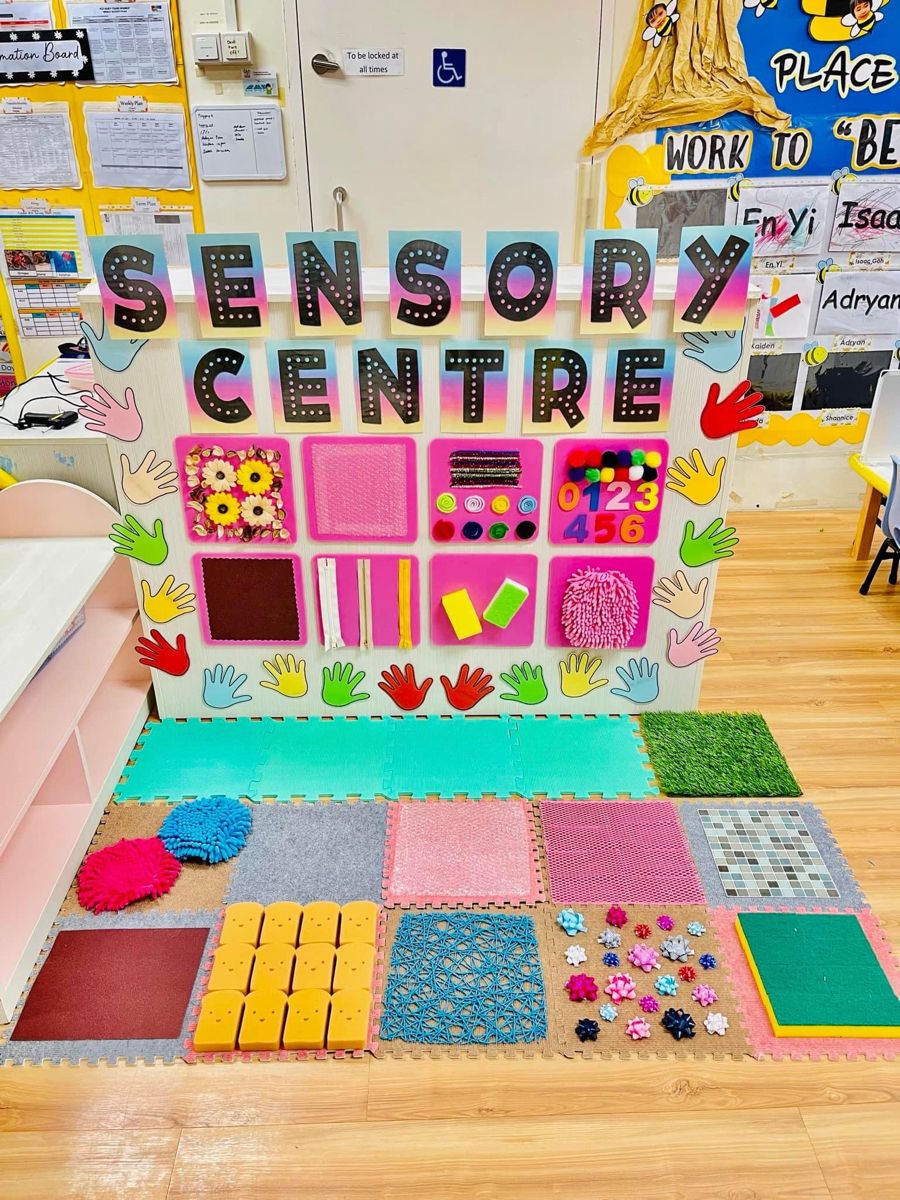
The kitchen is a sensory playground—textures cling to fingers, aromas linger in the air, and sounds echo unpredictably. For autistic individuals, sensory sensitivities can turn a simple meal into a daunting task. Loud blenders, sticky dough, or the pungent smell of onions might trigger discomfort or even distress. Addressing these challenges requires a nuanced approach that balances exposure with accommodation.
Start by identifying the sensory triggers most likely to disrupt the cooking process. If auditory sensitivity is an issue, noise-canceling headphones or a quiet cooking environment might help. For tactile aversions, gloves or textured utensils can provide a barrier between the learner and the food. Visual overload can be mitigated by dimming bright lights or using solid-colored bowls to reduce visual clutter. The goal isn’t to eliminate sensory input but to modulate it, ensuring that the experience remains manageable and even enjoyable.
It’s also worth experimenting with sensory-friendly ingredients. For example, opting for smooth peanut butter instead of chunky can ease texture-related anxieties. Similarly, using mild spices or avoiding strong-smelling foods can create a more palatable environment. Over time, gradual exposure to challenging sensory inputs can help expand tolerance, but this should always be done at the learner’s pace, with ample opportunities for breaks and self-regulation.

Visual and Social Narratives: Bridging the Gap Between Instruction and Understanding
Words alone often fall short when teaching autistic learners, where abstract concepts and social nuances can be difficult to grasp. Visual and social narratives step in to fill this gap, providing concrete, relatable frameworks for understanding kitchen tasks. A social narrative, for instance, might describe a scenario like “What to do if the stove gets too hot” in a story-like format, using simple language and familiar characters. These narratives can be customized to address specific challenges, such as turn-taking during meal prep or handling mistakes without frustration.
Visual aids complement social narratives by offering immediate, tangible references. Picture-based recipe cards, color-coded measuring cups, or even video modeling can make abstract steps more concrete. For example, a video demonstrating how to crack an egg—showing the motion in slow motion—can be far more effective than verbal instructions alone. These tools not only clarify expectations but also reinforce learning through repetition and visual reinforcement.
Another powerful technique is the use of comic strip conversations, where dialogue and actions are depicted in sequential panels. This method can help autistic learners visualize social interactions in the kitchen, such as asking for help or expressing discomfort. By breaking down these interactions into clear, visual components, learners can better understand the nuances of collaboration and communication.

Adaptive Tools and Assistive Technologies: Enhancing Independence
Innovation in adaptive tools has revolutionized the way autistic individuals engage with cooking. From ergonomic utensils to high-tech gadgets, these tools are designed to compensate for motor challenges, sensory sensitivities, or cognitive differences. For instance, weighted or angled spoons can improve grip and control for those with fine motor difficulties, while one-handed can openers eliminate the need for bilateral coordination. Non-slip mats and spill-proof containers further reduce frustration by stabilizing tools and ingredients.
Assistive technologies take this a step further, offering solutions that might seem futuristic but are grounded in practicality. Voice-activated appliances, like smart speakers that can set timers or read recipes aloud, can be invaluable for learners who struggle with reading or following written instructions. Similarly, apps that provide step-by-step visual guides or use augmented reality to highlight ingredients can make the cooking process more intuitive. These tools not only enhance independence but also empower learners to explore new recipes and techniques without constant supervision.
It’s important to approach adaptive tools with a trial-and-error mindset. What works for one learner may not suit another, so experimentation is key. Involving the learner in selecting tools can also foster a sense of ownership and enthusiasm. For example, allowing them to choose between a colorful silicone spatula or a traditional wooden spoon can make the experience feel more personalized and engaging.

Social and Life Skills: Cooking as a Catalyst for Connection
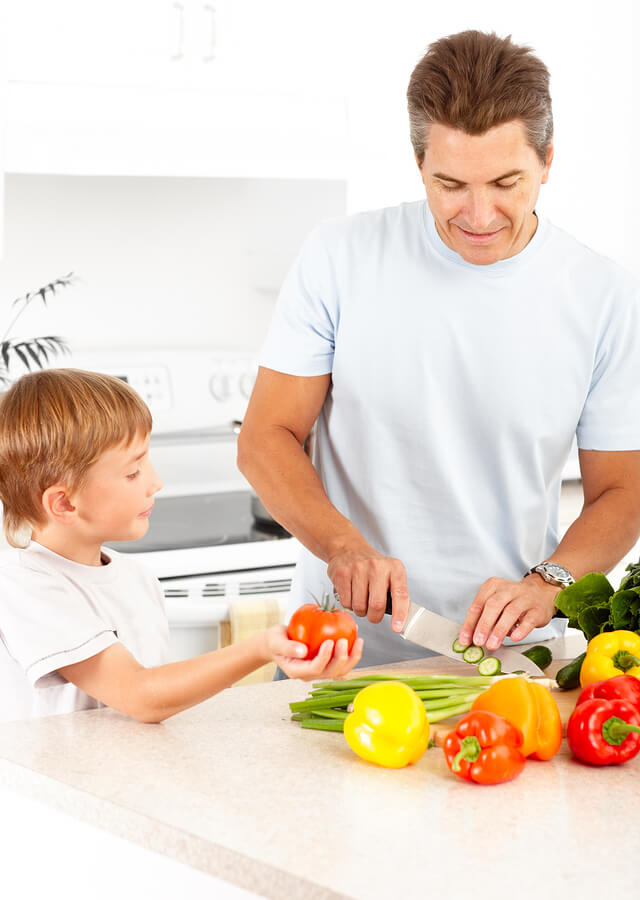
Beyond the practicalities of meal preparation, cooking offers a rich opportunity to develop social and life skills. Collaborative cooking—whether with family, peers, or caregivers—encourages turn-taking, communication, and teamwork. These interactions, though seemingly simple, are foundational for building relationships and navigating social environments. For autistic learners, structured group cooking activities can provide a safe space to practice skills like sharing, asking for help, or expressing preferences.
Cooking also fosters executive function skills, such as planning, organization, and problem-solving. Following a recipe requires sequencing and attention to detail, while adapting to unexpected changes—like a missing ingredient—teaches flexibility and resilience. These skills are transferable to other areas of life, making cooking a holistic learning experience. For example, a learner who masters the art of substituting ingredients when supplies are low may find it easier to adapt to other real-world scenarios.
Moreover, the act of sharing a meal can be a powerful social equalizer. For autistic individuals, the sensory and social demands of dining with others can be overwhelming, but cooking together can ease this transition. Preparing a dish from start to finish provides a shared context for interaction, reducing the pressure to engage in small talk or navigate unpredictable social dynamics. The focus shifts from performance to participation, creating a more inclusive and enjoyable experience.

Safety First: Mitigating Risks in the Kitchen
Safety is paramount in any kitchen, but for autistic learners, the risks can feel magnified. Hot surfaces, sharp objects, and slippery floors are just a few of the hazards that require careful consideration. Teaching safety isn’t about instilling fear but about building awareness and confidence. Start with foundational rules, such as “Always ask for help with hot items” or “Keep fingers away from the blade,” and reinforce them through repetition and visual reminders.
One effective strategy is to create a “safety checklist” that learners can refer to before, during, and after cooking. This checklist might include items like “Check that the oven is off before leaving the kitchen” or “Wipe up spills immediately to prevent slips.” Pairing these checklists with hands-on practice ensures that safety becomes second nature. For learners with significant cognitive challenges, a “stop and think” card placed near the stove can serve as a visual cue to pause and assess the situation before proceeding.
It’s also crucial to tailor safety measures to the individual’s needs. For example, a learner with impulsivity might benefit from a physical barrier, like a childproof lock on the oven, while another with sensory sensitivities might need clear labeling of hazardous areas. Regular safety drills—practicing what to do in case of a fire or spill—can further solidify these skills. The goal is to create an environment where learners feel secure, not stifled, by safety protocols.

Cooking is a journey of discovery, where each ingredient, each technique, and each meal offers an opportunity to learn and grow. For autistic individuals, the kitchen can be a place of transformation—a space where challenges are met with creativity, and where independence is nurtured through structured yet flexible guidance. By embracing sensory adaptations, visual aids, adaptive tools, and collaborative practices, we can create an environment where cooking becomes not just a skill to master but a source of joy and empowerment.
The path to kitchen competence is unique for each learner, but the destination is universal: a life enriched by the ability to nourish oneself and others. Whether through the rhythmic chop of a knife, the aromatic dance of spices, or the simple pride of serving a meal, cooking offers a tangible connection to the world—a world that, with the right tools and support, can feel a little less overwhelming and a lot more inviting.