

Among the myriad challenges faced by individuals on the autism spectrum, one recurring theme in daily life is the profound sensitivity to food textures. This sensitivity often manifests as picky eating, a behavior that can puzzle caregivers and clinicians alike. Yet beneath the surface of such aversion lies a complex interplay of sensory processing nuances and neurological factors that shape food preferences and aversions. Exploring these undercurrents provides not only clarity but also empathy towards the experiences of those impacted.
Understanding Texture Sensitivity in Autism
Texture sensitivity is not merely a preference for crunchy over smooth or vice versa; it is a heightened sensory response that influences how the brain processes tactile and oral stimuli. For individuals with autism, the tactile feedback from food inside the mouth can be overwhelming or even distressing. This reaction results from differences in sensory integration, where the nervous system either amplifies or diminishes sensory inputs, challenging the routine acceptance of diverse food textures.
While many children may develop texture preferences as they grow, those with autism often experience amplified responses that render certain foods intolerable. The variance ranges from a complete refusal to engage with specific textures—be it slimy, mushy, or gritty—to a narrow preference for uniformity and predictability in food consistency. Consequently, what appears as mere finickiness is, in truth, an intricate sensory phenomenon.

Neurological Foundations of Sensory Processing and Eating Behavior
The neural pathways responsible for sensory processing in autism often diverge from typical development. This divergence can cause hyper- or hypo-sensitivity to tactile sensations, including those experienced during mastication or swallowing. Food texture becomes a battleground where these sensory discrepancies collide with feeding behavior.
Research suggests that individuals with autism may have altered activity in brain regions dedicated to sensory integration, such as the somatosensory cortex and insular cortex. These differences can dictate not only aversion but also intense fascination or fixation on specific textures. Such fixations may serve as compensatory mechanisms to establish predictability and control in their sensory environment.
Moreover, the gustatory system, responsible for taste perception, and the trigeminal nerve, which registers texture and temperature, work in tandem to provide a multisensory experience of food. When these systems relay discordant or amplified signals, it may trigger anxiety, discomfort, or even pain, thereby reinforcing restrictive eating patterns.
Behavioral Manifestations: The Spectrum of Picky Eating
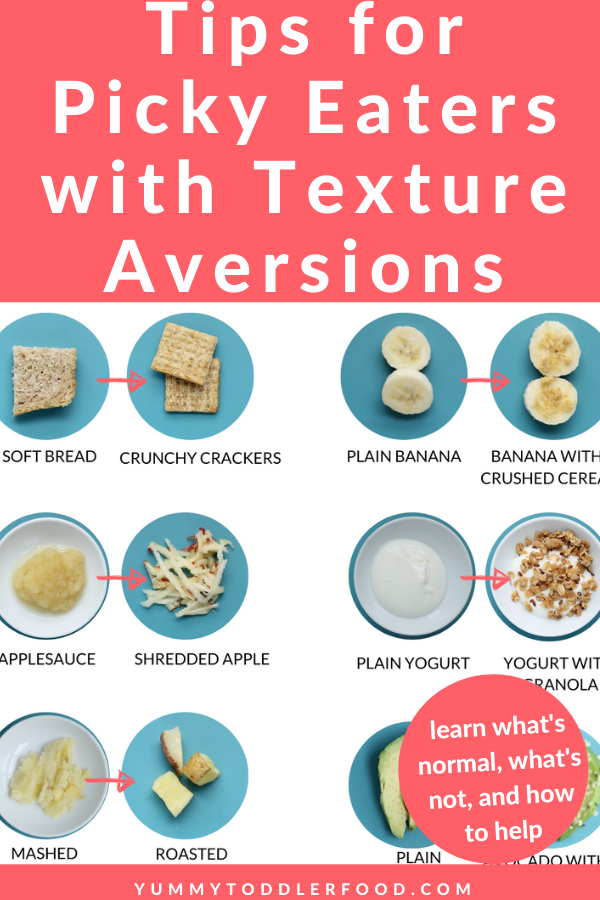
Picky eating among children with autism can vary widely. Some might reject food based on the slightest alteration in texture. Others might insist on foods being served in a particular way—for instance, crackers must remain dry and separate from any wet ingredients. This rigidity extends beyond preference and may represent a coping strategy for sensory overload.
It is important to recognize that these behaviors are not acts of defiance but rather adaptive responses to an internally experienced sensory crisis. The refusal to eat certain foods often coincides with heightened anxiety, fatigue, or stress, compounding difficulties around mealtimes. Such entrenched patterns can impact nutritional intake and social participation, complicating intervention efforts.
Environmental and Caregiver Influences
The environment in which food is presented plays an integral role in either escalating or mitigating texture-related aversions. Predictability and structure in meal settings can alleviate sensory anxiety by providing a safe, controlled context. Conversely, novel or chaotic environments may exacerbate aversions by overwhelming the individual’s sensory thresholds.
Caregivers and therapists often rely on strategies tailored to gradually desensitize texture sensitivities through repeated, gentle exposure and positive reinforcement. Such interventions require patience and meticulous attention to the individual’s comfort levels. Establishing trust around eating and minimizing pressure helps foster a more positive relationship with food.
The Role of Sensory Integration Therapy
Occupational therapy with a specialization in sensory integration provides promising avenues to address texture sensitivities. By engaging individuals in controlled sensory experiences, therapists aim to recalibrate the neural processes involved. Incremental exposure to varied textures combined with calming techniques may reduce sensory defensiveness over time.
This approach acknowledges the complexity of sensory processing differences and respects individual limits. Progress is often nonlinear, emphasizing flexibility and responsiveness to the person’s evolving tolerances. Importantly, sensory integration therapy not only targets feeding issues but also improves broader sensory modulation essential to everyday function.
Looking Beyond the Surface: Fascination and Preference
Interestingly, for some, the sensitivity to texture is accompanied by a strong fascination or preference for particular sensations. This includes seeking out very specific food textures as sources of comfort or sensory fulfillment. Such preferences can be as compelling as the aversions, illuminating the dual nature of sensory processing in autism.
The interplay between repulsion and attraction ties into a broader narrative about how individuals with autism experience and interpret their sensory world. These texture preferences may provide moments of sensory pleasure or regulation, enabling better emotional and cognitive functioning. Recognizing this facet encourages a more nuanced approach to dietary interventions and supports.
Conclusion
Food texture sensitivity in autism transcends the simplistic label of picky eating. It is a window into the intricate sensory experiences that shape behavior, preference, and aversion. Through understanding the neurological underpinnings and environmental influences, caregivers and professionals can craft compassionate, effective strategies that honor individuality and promote nutritional wellbeing.
Addressing texture sensitivity requires patience, insight, and a holistic lens that appreciates both the challenges and the unique sensory worlds of those on the spectrum. This paradigm fosters empathy and drives innovations in therapeutic support, ultimately enriching the quality of life and daily experiences surrounding food.












